


America may have seen the peak of AI data center opposition in August, with optimism about new technology and the infrastructure supporting it beginning to return. But many concerns remain, particularly over what these projects mean for local taxes and property values.
While it is easy to assume that a massive concrete building nearby can only hurt home values, and raise property taxes, the data has not borne out those supposedly “common-sense” conclusions. Instead, data centers tend to have one of two effects on nearby property values: no detectable change or a net increase, and for property taxes, have yielded downward pressure.
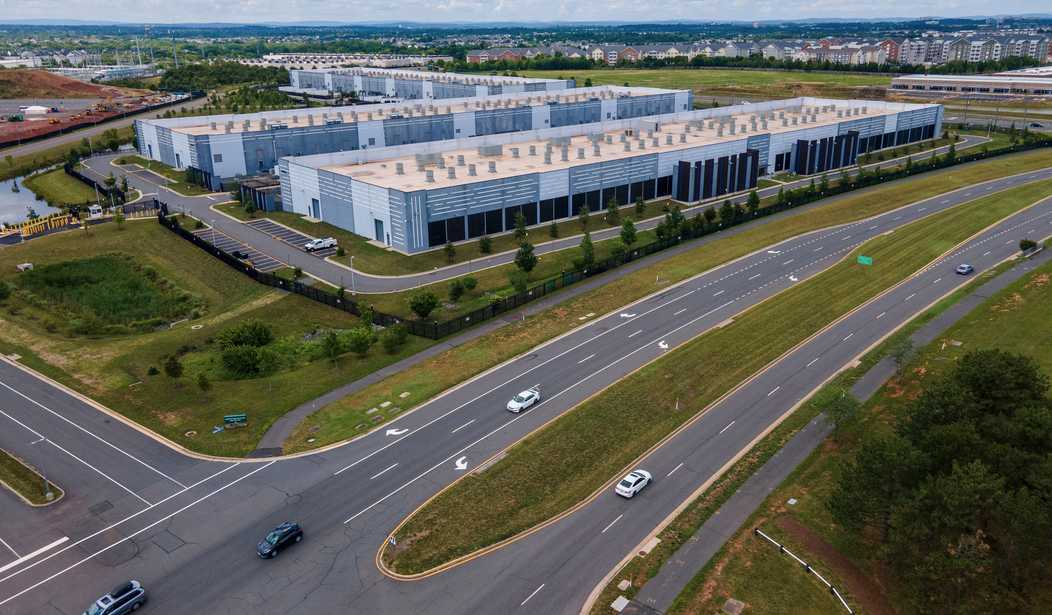
One homeowner in Loudoun County, Virginia, the global epicenter of data centers, offers an example of how that plays out. Despite stepping outside each morning to the sight of a data center, he said his home’s value has risen by about 67 percent since 2013 while inflation adjusted property taxes have declined by about 12 percent.
🚨🚨 This Virginia homeowner lives next to a data center. His property value has soared nearly 67% since 2013, while his taxes have fallen. “If you factor in inflation, the real dollars that I pay for property taxes are 12% less than they were 13 years ago.” https://t.co/juerqbMkMg
— Innovation Council (@innovationcncl) October 28, 2026
"The value of my property has gone up by almost two-thirds since I had moved in here since 2013," homeowner Paul Serrano said. "But the property taxes have been almost flat. And the reason for that is because the tax rate has been going down steadily. In fact, if you factor in inflation, the real dollars that I pay for property taxes are 12 percent less than they were 13 years ago."
Compare those figures with the rest of the state. Most of Virginia has seen property values rise by roughly 40-60 percent since 2013, putting Serrano’s 67 percent gain well ahead of that range. Meanwhile, inflation-adjusted property taxes rose by an average of about 9.9 percent nationwide through 2024 and 6.4 percent in Virginia through 2022.
How a data center might drive property values higher remains unclear, but it should be reassuring that, so far, the data have yet to show they produce a net decline.
The tax benefits are easier to explain. Data centers contribute substantial tax revenue without placing the same demands on public services as more labor-intensive businesses or new residential development. That gives local officials room to shift more of the tax burden away from homeowners.
Property values and property taxes are just two of the many issues surrounding data center construction, but they remain among the most important for Americans who have built their wealth through homeownership.
Much of the opposition began with local concerns, but it has grown into demands to stop data center construction altogether. And if people are worried about the economic consequences of building them, just wait until they see the consequences of refusing to. These facilities support a technology that is bound to make Americans richer and more productive, even help cure cancer, and cut through government bureaucracy. Blocking their construction means giving up those opportunities over fears that, in the case of property values, the data has not borne out.
Nobody knows exactly what AI will deliver. But demanding certainty before allowing it to develop is a good way to make sure it delivers nothing. America did not become a wealthy country by treating every new technology as a threat. If we want the benefits of innovation, we have to let people build the infrastructure it requires.
Editor's Note: Do you enjoy Townhall's conservative reporting that takes on the radical Left and woke media? Support our work so that we can continue to bring you the truth.
Join Townhall VIP and use promo code FIGHT to receive 60% off your membership.



Join the Conversation
VIP members get the ability to comment on articles.