







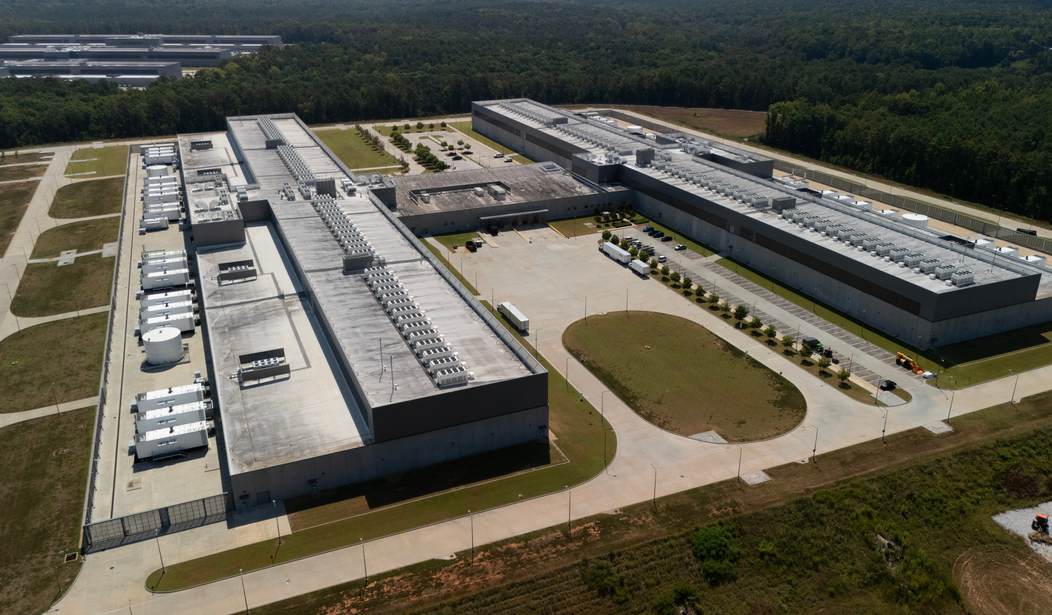
If anyone needed more evidence that the opposition to AI data centers is broadly manufactured here it is:
Kristen Soltis Anderson, a pollster and founding partner at Echelon Insights, tested how voters responded to data-center construction when the project was described not as a “data center,” but as a “server farm,” in many respects, a more literal term. The results were striking.
Support rose only slightly, from 25 percent to 28 percent. But opposition fell from 65 percent to 50 percent: a 15-point collapse produced by nothing more than a change in branding.
Opposition to data centers is 65%, but drops to 50% if you call them “server farms.” 👨🏻🌾 https://t.co/c7owSvscNx
— Frank Luntz (@FrankLuntz) October 2, 2026
AI data-center opposition has become a modern catch-all for America’s anxieties. Wrapped into the fight is hostility toward Big Tech and large corporations, distrust of surveillance, lingering concern over household costs, from utility bills to home values, general complaints about the American economy, and newly urgent fears about water, electricity, and other finite resources.
But the polling suggests this catch-all opposition may be attached less to the building itself than to the name people have learned to fear.
Take the issue of surveillance. It is not entirely clear how that concern became folded into the data-center debate, except that many people seem to imagine these facilities as warehouses where government officials can rifle through private lives at will. That is not remotely how data centers work, not to mention illegal, since government must acquire a warrant before looking through your private data but it is the sort of assumption that thrives when a subject is reduced to a vaguely ominous label.
Data centers are, at their core, little more than the computing infrastructure that stores and processes digital information, from your cell phone and computer to the rapidly increasing computing power required to run artificial intelligence. Put more simply, they are where the hardware lives: physical facilities housing large computer systems.
There have been calls to give data centers a new name. The best I have heard is “supercomputers,” because that is exactly what these facilities are: enormous amounts of computing power gathered in one place. Imagine a phone the size of a shoebox, the kind of hardware computing once required 40 years ago. Thanks to American ingenuity, that same device now has hundreds of times more power and capability, yet fits in your pocket.
What was once massive, expensive, and available only to a select few became personal, portable, and indispensable because Americans kept building better technology rather than treating progress itself as a threat. That is what today’s data centers represent. They are the large, early-stage hardware behind the next generation of tools Americans will eventually use every day.
We are still at the inefficient end of the process. Today’s data centers are large and unsightly because the technology is new. Tomorrow, the computing power they provide will be cheaper, more accessible, smaller, and woven into our everyday life, just as the shoebox-sized phone eventually became the supercomputer we take for granted, and carry around in our pocket.
Editor's Note: Do you enjoy Townhall's conservative reporting that takes on the radical Left and woke media? Support our work so that we can continue to bring you the truth.
Join Townhall VIP and use promo code FIGHT to receive 60% off your membership.


Join the Conversation
VIP members get the ability to comment on articles.