





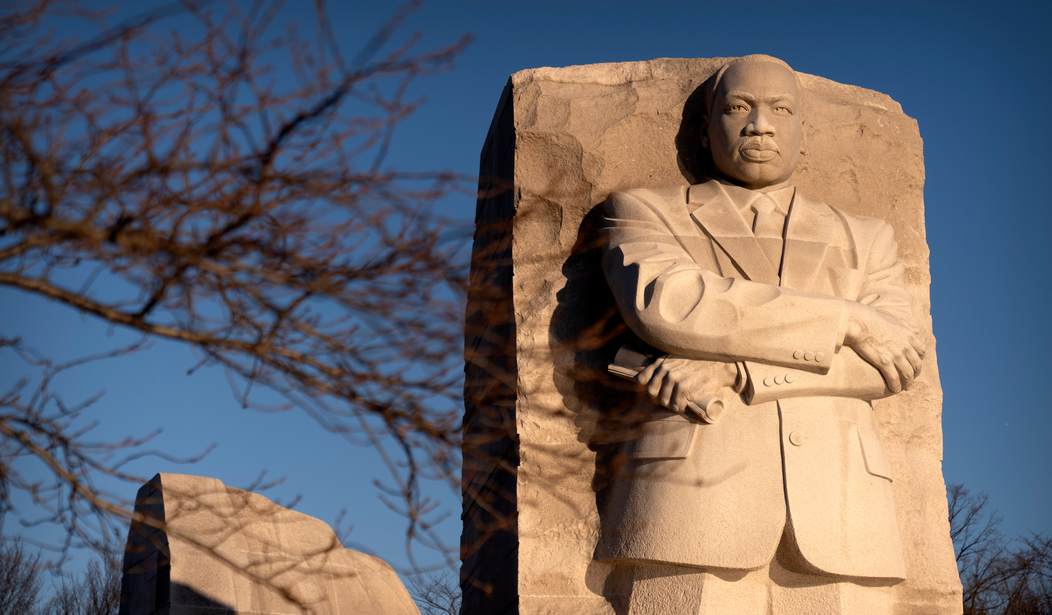
For evangelicals who take both Scripture and history seriously, Martin Luther King Jr. deserves neither hagiography nor dismissal. He deserves understanding. That requires resisting the modern temptation to flatten him into a one-dimensional symbol—either a sainted mascot for every contemporary political cause or a villain dismissed because he does not fit neatly into today’s ideological boxes. The real King was far more interesting, far more challenging, and far more explicitly Christian than either camp prefers to admit.
At his core, King was not a progressive activist who occasionally quoted the Bible. He was a Baptist minister whose worldview, rhetoric, and moral imagination were saturated with Scripture. His leadership in the Civil Rights movement flowed directly from his theology, not in spite of it. Any evangelical attempt to understand King honestly must begin there.
King believed the Imago Dei—that every human being is created in the image of God. This was not a poetic flourish; it was the moral engine of his work. Segregation was evil not merely because it was unjust, but because it was sinful. It distorted God’s design for human dignity and neighbor-love. When King spoke of justice, he was not appealing to abstract political theory. He was echoing the prophets—Amos, Isaiah, Micah—who thundered that God despises systems that crush the weak while pretending to be righteous.
This is why King’s strategy of nonviolent resistance matters so much to evangelicals. Nonviolence was not merely tactical; it was theological. King believed that violence corrodes the soul of both the oppressor and the oppressed. His approach mirrored Jesus’ command to love one’s enemies—not sentimentally, but confrontationally. Nonviolence forced the nation to see its sin without allowing the movement itself to become morally compromised.
Modern portrayals often strip this theological foundation away. King is quoted selectively, weaponized for causes he never addressed, and invoked as a blanket endorsement of policies he never articulated. Evangelicals should resist that misuse—not because King was perfect, but because truth matters. Honoring him means refusing to conscript him into every modern argument.
At the same time, evangelicals must also resist the instinct to downplay King’s significance because of his flaws. Yes, King had personal moral failings. Yes, some of his later political views—particularly on economics and foreign policy—are debated even among Christians. Evangelical theology, however, already has a category for this: fallen but used. Scripture is full of leaders whom God used powerfully despite serious imperfections. Acknowledging King’s sins does not negate the righteousness of the cause he championed.
Another common evangelical misstep is treating civil rights as a “political” issue rather than a profoundly moral one. King did not ask the church to become partisan; he asked it to be faithful. His famous “Letter from Birmingham Jail” was not aimed at secular politicians first—it was aimed at white clergy who preferred order over justice, comfort over courage. That critique should still unsettle evangelicals today. King was calling the church to repent of silence when silence protects injustice.
Importantly, King did not preach resentment or perpetual grievance. He spoke relentlessly about reconciliation. His dream was not merely integrated lunch counters; it was redeemed relationships. He envisioned a nation where former enemies would sit together at the table of brotherhood—not because power shifted, but because hearts changed. That vision aligns deeply with the Gospel’s call to reconciliation through truth, repentance, and forgiveness.
Evangelicals who accurately understand King should therefore resist two errors: idolization and erasure. He was not a messiah, and he would have rejected being treated as one. But neither was he a mere political agitator. He was a Christian pastor applying biblical truth to a grievous national sin—and doing so at enormous personal cost.
If evangelicals reclaim a historically honest view of King, something powerful happens. His legacy stops being a cudgel used against the church and becomes a mirror held up to it. He challenges believers to ask whether we are more committed to cultural comfort than biblical conviction, more fearful of controversy than faithful to Christ.
Accurately understanding Martin Luther King Jr. does not require agreement with every conclusion he reached. It requires acknowledging that his courage flowed from Christian belief, that his moral authority came from biblical truth, and that his call for justice was inseparable from his call to love.
That is not a progressive appropriation. It is an evangelical responsibility.
Editor’s Note: Do you enjoy Townhall’s conservative reporting and opinion? Support our work by joining Townhall VIP! Use the promo code FIGHT to get 60% off your VIP membership!



Join the Conversation
VIP members get the ability to comment on articles.