


California voters rejected the billionaire tax by 52.8 percent to 47.2 percent in a race the AP called on November 9, and the ink was barely dry before the next tax scheme arrived. California Medical Association CEO Dustin Corcoran is exploring a 2028 ballot initiative to overhaul the state’s income tax, with no proposed rates or revenue estimates.
I’ve lived in California since 1990, and I’m also a husband, a father of three sons, a youth coach, and a taxpayer with more than 30 years in investment management. Over that time, the state’s governing philosophy has become easy to summarize: sunshine is free, and everything else is expensive. The Mamas & the Papas gave us “California Dreamin’,” and these days, plenty of Californians do their dreaming from Tennessee and Texas. The bill lands on two groups: the people who can leave and those who can’t.
Those who can leave already have. Elon Musk and Larry Ellison moved out earlier. Ahead of Proposition 40’s January 1, 2026, residency cutoff, Larry Page, Sergey Brin, Peter Thiel, Don Hankey, Travis Kalanick and Steven Spielberg also left, and David Sacks moved Craft Ventures to Austin. In-N-Out owner Lynsi Snyder, a California native, said she is moving to Tennessee because “doing business is not easy here.” Kalanick was candid, saying he moved to Texas on December 18, “prior to January.” Fortune counted six departures among California’s 214 billionaires and estimated they would have paid $27 billion, about a fourth of the measure’s $100 billion goal. Nobody has to love billionaires to see the math. The state relies on its top 1 percent of earners for nearly half of personal income tax revenue. Voters also approved Proposition 42, which bars new state taxes on owning assets, and Proposition 3, which makes a high-earner income tax permanent. Together they point the state back toward income taxes, which is exactly where Corcoran is looking.
Everyone else gets the invoice. California’s vehicle license fee is 0.65 percent of a car’s value, billed at every renewal on top of the registration fee, a CHP fee, and a Transportation Improvement Fee. The sales tax arrives at purchase. The VLF keeps coming back for the crime of owning the thing. State law treats it as a stand-in for a personal property tax, so my car gets a property tax bill every year. Calling it a fee is generous. The roads have not been improved. Newly elected Xavier Becerra is looking to add a new tax on the state’s richest residents and possibly new fees for drivers.
Housing shows how the charges stack. RAND found that apartments cost 2.3 times more to build in California than in Texas, that a market-rate project spends 27.9 months in predevelopment before construction begins, and that municipal fees average $29,000 per unit against less than $1,000 in Texas. Closer to home, the Ladera Ranch HOA needed more than three years to get pickleball courts approved on land we already owned, and the delays drove costs well above plan. Voters had a chance to speed things up. Proposition 45 would have capped environmental impact reports at 365 business days and shortened lawsuit deadlines. It lost with nearly 56 percent opposed. CEQA defenders say the law gives communities a voice. It also gives them a long wait.
Then comes Measure ULA. For closings after June 30, 2026, it adds 4 percent on City of Los Angeles sales above $5.4 million and 5.5 percent at $10.9 million or more, applied to the sale price. An $8 million sale owes $320,000. The tax also reaches apartment buildings, mini-malls and warehouses, and UCLA’s Lewis Center found the odds of a property selling above its threshold fell by as much as 50 percent. RAND says the tax cut high-value sales by 31 percent and deterred more than 9,000 housing units through early 2026. UCLA has since corrected a separate estimate for non-single-family sales to 7 percent to 15 percent, so I’m using RAND’s newer numbers. Voters were promised $600 million to $1.1 billion a year. The city reports nearly $1.2 billion through April 2026, roughly $390 million a year. I price exits before entries for a living, and capital doesn’t protest. It reprices and waits.
The $20 fast-food wage follows the same script. A September 2026 working paper that tracked individual restaurants found that among smaller covered chains, employment fell about 20 percent relative to the same chains’ outlets elsewhere and closures rose 9 percent to 21 percent. The largest chains showed no detectable effect, and the authors said the law’s primary effect was to disadvantage small chains. The law also exempts restaurants that bake and sell bread as a standalone item. Newsom donor Greg Flynn, who owns 24 California Panera locations, said he suggested excluding fast-casual restaurants, and Newsom’s office said the exemption “was never about Panera.”
Supporters have real points. ULA money funds housing and tenant aid, and UC Berkeley’s Michael Reich and Denis Sosinskiy concluded the wage law raised pay without reducing employment. Other economists found fast-food employment fell 2.3 percent to 3.9 percent relative to other states. The research is divided, though, and RAND says targeted ULA reform could raise $823 million over 10 years and preserve 72 percent of current revenue while adding 19,000 units.
I’d start with three fixes. Tax only the part of a sale above the ULA threshold and exempt apartments and commercial deals. Pass CEQA deadlines through the legislature, since voters declined to, and take up RAND’s advice to reconsider municipal impact fees. Then require every future tax measure to state its revenue promise in writing, with a Legislative Analyst audit after three years and a sunset if the money falls short.
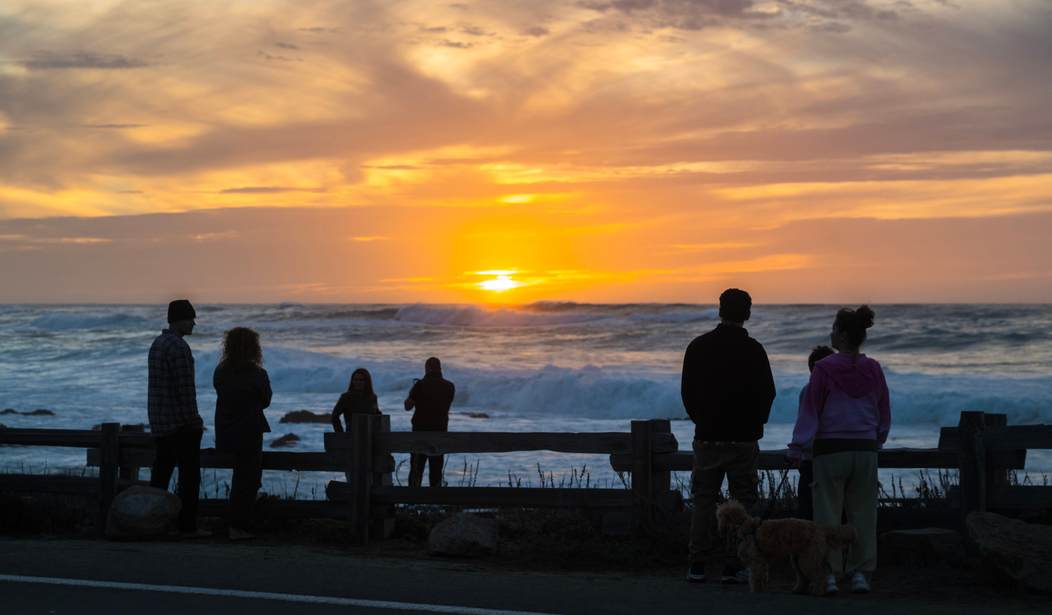
Louis Brandeis wrote that “sunlight is said to be the best of disinfectants.” It’s also free. Corcoran argues Proposition 40 failed on its design flaws, and he may be right. The billionaires who left aren’t waiting for 2028. When the music stops, the people left paying the bill will be those who couldn’t leave, including plenty of the families I coach. I’d settle for a bill that matches the sales pitch. Sunshine is still free in California. Enjoy it before the legislature drafts the surcharge.
Jay Rogers is a financial professional with more than 30 years of experience in private equity, private credit, hedge funds, and wealth management. He writes about issues in finance, constitutional law, national security, human nature, and public policy.
Editor's Note: Do you enjoy Townhall's conservative reporting exposing the radical left and woke media? Support our work so we can keep bringing you the truth.
Join Townhall VIP and use promo code FIGHT to receive 60% off your membership.
Join the Conversation
VIP members get the ability to comment on articles.