




OpenSecrets projects that federal campaigns will spend $11.9 billion this year, a record for a midterm. Jerry Seinfeld built a hit show about nothing. Our candidates just spent nearly $12 billion on the sequel, and outside groups alone are on pace for $3.9 billion, an 85 percent jump from 2022.
The ads are off the air, and we've entered the lame duck period. I'm a husband, father and a small business owner. My argument is short. The policies that raised our cost of living have names, dollar figures and sponsors, and the weeks before January are the time to start repricing them.
The phrase has a better pedigree than most of the people it describes. In 1761, Horace Walpole asked whether a friend knew what a bull, a bear and a lame duck were. A lame duck was a London trader who couldn't pay their debts, and by 1863 the Congressional Globe was applying the term to broken-down politicians. Lame ducks keep their powers until January and then lose their clout. The Declaration of Independence says governments derive their just powers from the consent of the governed. Voters just extended that consent. Consent should come with an invoice.
Milton Friedman gave taxpayers a rule for reading it: "Keep your eye on one thing and one thing only: how much government is spending, because that's the true tax." Washington set the pattern in 2021 with the $1.9 trillion American Rescue Plan, enacted into a recovering economy. San Francisco Fed economists estimated it added about 0.3 percentage points a year to inflation through 2022, and other economists put the effect at 2 to 3 points. Economists argue over how much, but the president's own advisers didn't dispute that it added something. Consumer prices rose 8.5 percent from December 2019 to December 2021, against 5.5 percent in Canada and 4.7 percent in the eurozone.
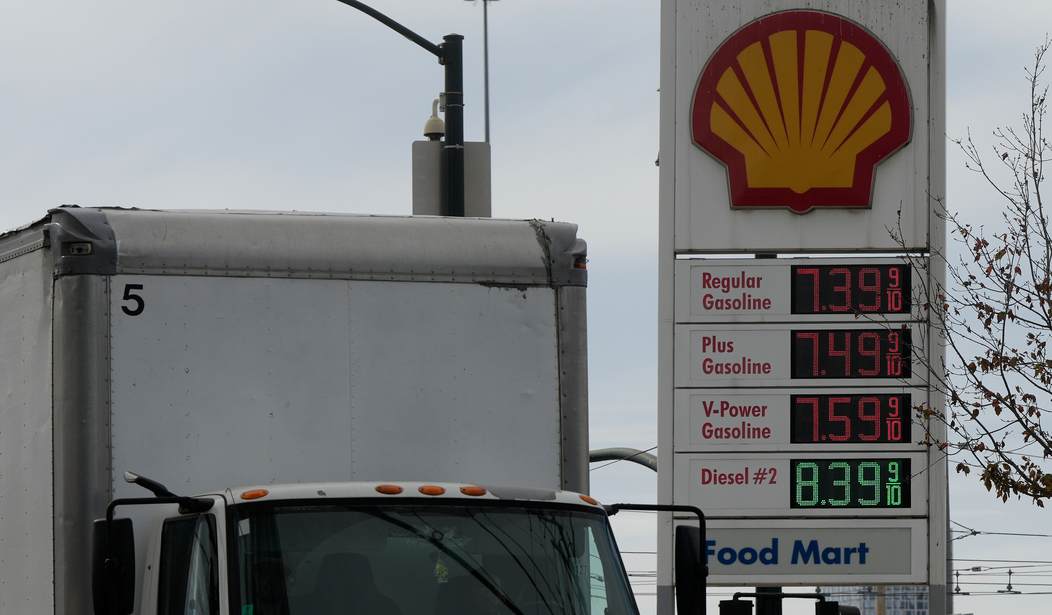
I've lived in California since 1990, where one party writes the laws and the rest of us read the receipts. In 2017, the Democratic legislature and Governor Jerry Brown raised the gas tax 12 cents a gallon and added vehicle fees of $25 to $175, all indexed to inflation. The Low Carbon Fuel Standard added about 10 cents a gallon as of the Air Resources Board's November 2024 vote. This spring's spike amid the war in Iran wasn't Sacramento's doing, yet its taxes still sit on top of it. California gasoline hit $6.23 a gallon the week of October 5 and still averaged $5.89 the week of October 26, $1.62 above the national average of $4.27.
Labor costs belong in this ledger too. Unions exist to raise their members' pay, and in government the taxpayer covers the bill. California expects to spend $9.8 billion on CalPERS contributions in 2026-27, more than double the $4.8 billion it spent in 2016. Berkeley's Terner Center studied 859 California tax-credit projects and found that those paying prevailing wages cost about $94,000 more per unit after adjusting for size, region and construction type. The authors caution that the costs are projected and the link isn't proof of causation, but a $94,000 gap still deserves a hearing.
Housing is where the pressures collide. A Federal Reserve Bank of Dallas working paper found that an increase in unauthorized immigrant workers equal to 1 percent of local employment raised house prices 2.2 percent and rents 1.4 percent, and the authors say those flows raised local house prices and rents without expanding housing supply. The Congressional Budget Office reached a similar conclusion about rents and property values and put the net cost to state and local governments at $9.2 billion in 2023. More demand and higher building costs put a rental near a decent school out of reach.
Healthcare is something that affects everyone, and that spreadsheet looks worse. HHS found that average individual-market premiums in the HealthCare.gov states rose 105 percent, from $232 a month in 2013 to $476 in 2017, and that states whose benefit mandates resembled the ACA's pre-2014 rules saw smaller increases. Washington Democrats decided what every family must buy, and families are still paying. Choice is thinning. KFF counted 165 counties with a single marketplace insurer in 2026, up from 93 a year earlier, largely because Aetna CVS left.
The proposed cure is to take over the whole system. The Democratic Socialists of America's 2026 program demands that government "guarantee universal healthcare at no cost to individuals," and the group endorsed the Medicare for All Act in 2019. The nearest costing is the Urban Institute's 2019 model of an enhanced single-payer plan that prohibits private insurance, which found federal spending would rise $2.8 trillion in the first year and $34.0 trillion over 10 years. That's a model of 2020 through 2029, not a costing of the DSA program. The Congressional Budget Office, in a December 2020 analysis of illustrative single-payer designs, found federal health subsidies would be $1.5 trillion to $3.0 trillion higher in 2030. Thomas Sowell, in Is Reality Optional?, explained why such plans keep arriving: "The first lesson of economics is scarcity: There is never enough of anything to satisfy all those who want it. The first lesson of politics is to disregard the first lesson of economics."
Fair objections deserve a hearing. Inflation hit every rich country. CBO projects the immigration surge adds more to federal revenue than to federal cost from 2024 through 2034. The same CBO post found total national health spending in 2030 could land anywhere from $0.7 trillion below to $0.3 trillion above current law, with savings coming from lower provider payment rates and less administrative spending. It also warned of delays and forgone care. Federal revenue doesn't hire teachers for my school district, and a cheaper national bill doesn't help a patient waiting for an appointment.
So here's my request to the lame ducks and the freshmen arriving in January. Post a per-household price tag, in dollars a year, on every tax, fee and mandate before the vote, as CBO already does for federal bills. Break out the prevailing-wage premium on every publicly funded housing project. Strip the automatic escalators from laws like SB 1, which raise taxes without a vote. Sunset new fees so working programs win a second vote. And price healthcare reform as if scarcity were still on the books.
Epictetus opened his handbook by sorting the world into things in our control and things not. We can't control the global price of oil. We can control whom we send to Sacramento and Washington, and what we demand of them between elections. Reagan asked in 1980, "Are you better off than you were four years ago?" It remains the only poll that matters, and nobody needs $11.9 billion to run it. You need a gas pump and a grocery receipt.
Jay Rogers is a financial professional with more than 30 years of experience in private equity, private credit, hedge funds, and wealth management.
Editor’s Note: Do you enjoy Townhall’s conservative reporting that takes on the radical Left and woke media? Support our work so that we can continue to bring you the truth.
Join Townhall VIP and use promo code FIGHT to receive 60% off your membership.


Join the Conversation
VIP members get the ability to comment on articles.