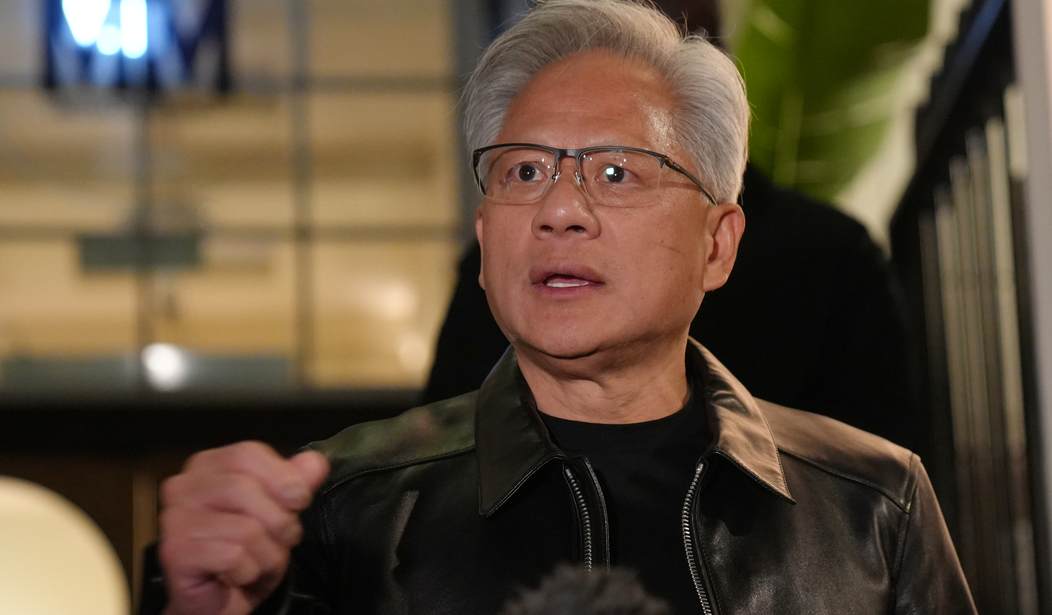

Former Nvidia CEO Jensen Huang has been in the news for two weeks now over a string of affairs, including one with an alleged Chinese spy. Not only did he resign from a company he spent 30 years building, but he has remained in the headlines as questions emerge about his role in China acquiring advanced chips and debate continues over whether he should be reinstated.
But on Friday, he was in the news for a different reason. Huang has long been known as a tough CEO with a reputation for being difficult to work with. A report by The New York Times explains just how extreme that could get.
The report, based on interviews with more than a dozen current and former employees, court records and other documents spanning more than 20 years, describes a pattern of insults and threats. According to one witness, Huang once told an executive that his mother should have aborted him. He also threatened to rip off a subordinate’s arms and beat them to death with them, and told another employee he would rip off the top of their head and “pee on your brain.”
Jensen Huang told Nvidia staff they’d become so rich that the only way to get more work out of them was through humiliation, The New York Times reports. As Nvidia’s wealth soared, Huang grew increasingly frustrated with his employees, according to three people who spoke on condition of anonymity. He told groups of subordinates he couldn’t motivate them with money anymore. The Times says it was part of a decades-long pattern of berating employees, according to documents and interviews: - He told one executive his mother should have aborted him, according to one witness. - He said he would rip both arms off a subordinate and beat the person to death with them. - He told another employee he would rip off the top of their head and “pee on your brain.”
— unusual_whales (@unusual_whales) November 20, 2026
The Times reported that the verbal abuse became more intense as the company grew wealthier. Huang wanted to keep pushing toward the future, but he believed others were satisfied with the money they had already made. When he felt he could no longer motivate them with more money, he turned to humiliation.
Some current and former employees have praised Huang for going out of his way to support them, but many of those interviewed by the Times described a dynamic they likened to Stockholm syndrome. They said he chewed people out in public as a way to exert control and did not shy away from making his attacks personal. His outbursts could boil over even in front of government representatives, major customers and other outsiders. That behavior also began spreading to other senior leaders, including his daughter, who works at the company.
And while people might be quick to question Huang’s character, his dedication to the work deserves consideration too. He had already made enough money to stop, yet he kept working and expected employees at every level to match his effort. There is something admirable about someone who remains more committed to what he can accomplish than in enjoying the fruit of his labor. That does not excuse his personal attacks, but it helps explain the intensity behind them, and why so many employees could admire him while so many others couldn't.
Huang's expectations shaped the company’s flat organizational structure, which put Huang in direct contact with employees at nearly every level. From entry-level staff to senior executives, he wanted everyone to care as much about the work, and push as hard, as he did.
In a 2024 interview with 60 Minutes, Huang, then still Nvidia's CEO, defended the very reputation the Times report has now laid out in far greater detail. The interviewer told him that people who work with him describe him as demanding, perfectionist and not easy to work for.
"It should be like that," Huang said. "If you want to do extraordinary things, it shouldn't be easy."
Former Nvidia CEO Jensen Huang admitted in a 2024 interview with 60 Minutes that he wasn't easy to work for. People who worked with Huang described him as demanding, a perfectionist and not easy to work for. Asked whether that was right, Huang replied, “If you want to do extraordinary things, it shouldn’t be easy.” Huang resigned as CEO of Nvidia last week amid reports of multiple affairs. Today, lawmakers announced that he’d agreed to appear before three House committees on Dec. 1, amid questions about his affair with Chinese businesswoman Alice Huang, a former executive of Nvidia customer Megaspeed International, which is under investigation by the U.S. Commerce and Justice Departments for potential export control violations. Megaspeed has said it operates in accordance with U.S. laws.
— 60 Minutes (@60Minutes) November 18, 2026