





Prescott, Arizona, has long been considered one of the best “Wild West" types of cities in the state.
However, the growth of the behavioral health industry, particularly sober living homes (aka substance abuse recovery homes), is wreaking havoc on this once idyllic area in central Arizona, including neighboring Prescott Valley. There have been reports of up to 3,000 drug addicts a few years ago in downtown Prescott. It earned nicknames like "Recovery City" and has been frequently ranked among the top U.S. destinations for sober living homes.
It’s being driven by a trend in the courts to offer Arizona drug offenders their choice of jail or to go to rehab—with Prescott one of the locations offered—so of course the defendants choose rehab.
Medicaid funds mental and drug rehab services. The launch of Obamacare started a massive increase in federal funding of behavioral health services, pouring hundreds of billions of dollars into the industry. Prior to its passage in 2010, services for consistent mental and sober living care were not underwritten by most insurance companies, since the risks were considered uninsurable.
Former Arizona Senate President Karen Fann, who lives in Prescott, said about sober living homes during a legislative hearing a few years ago, “We have some very unscrupulous ones … truly abusive homes.” She said investors buy up homes, place ads to recruit residents and charge them or their insurance expensive rates. Fann called the homes a “health, safety and fire hazard.”
Providers testified under oath that sober living homes have a three percent success rate. Former state legislator Noel Campbell said there is a “terrible heroin problem.” He went on, “We know there's a terrible recidivism rate. We know that young men come into our community and they are treated, and then they fail, and then they're on the streets of our city. So, what happens in Prescott will be happening in Prescott Valley.” He said there were a minimum of 1,400 unruly young men walking around Prescott.
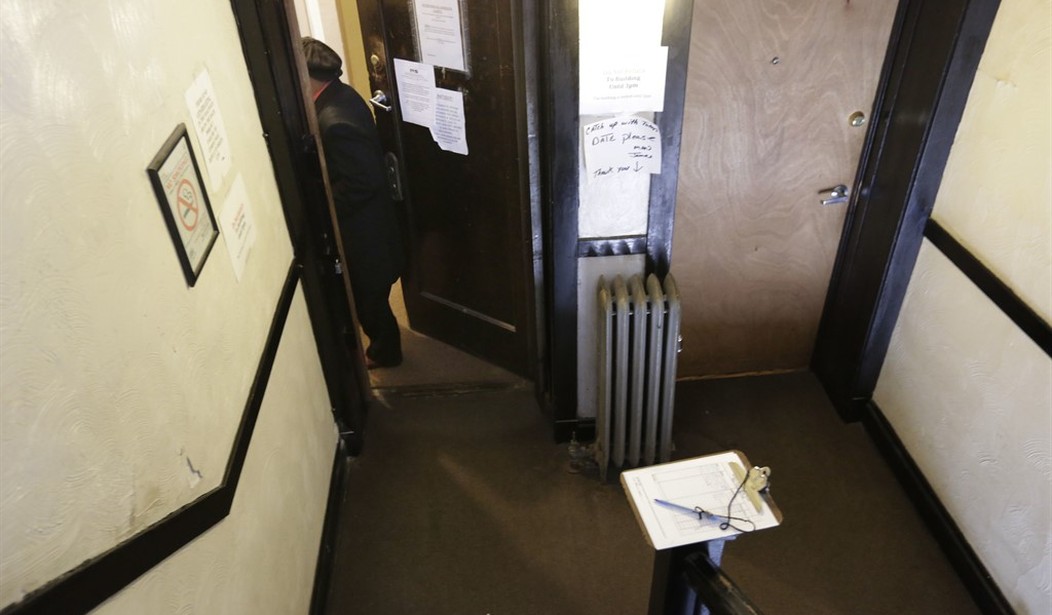
Prescott resident Eric Jordan told legislators he hears loud swearing and fighting at a sober living home behind his house. A family with small children lives nearby, as well as many retirees who moved to Prescott as an upgrade to a nice area to live. He said the residents flick cigarettes off the second floor outside into a yard full of debris, which is dangerous considering the risk of wildfires in that area. Jordan called the police numerous times. The homes reduce the value of properties around them, and realtors are prohibited by law from disclosing them to prospective buyers.
Others testified that for nine months in 2015, the Prescott Police Department and Fire Department were asked to begin keeping records of the number of calls directly attributed to the homes. There were 297 extra calls for the police department and 126 extra calls to the fire department. The nature of each call was a combination of drug overdoses and crime related to the industry, causing severe disruption to the neighborhoods and contributing to a major increase in the cost of these services to the taxpayer. The police department was forced to acquire two drug-sniffing dogs and their handlers in order to combat the problem, which isn’t cheap.
Testimony revealed at the legislative hearing that in 2016, there were an estimated 40 rehab clinics in Prescott, with at least 156 homes. This amounted to 1,248 addicts, about 5 percent of the population. The addicts fail out of the homes and add to the homeless.
Polara Health has offices all over Prescott. Both Polara and Spectrum are buying out the smaller companies in Prescott. It has become a lucrative industry for these big providers.
Those investigating the problem told me that Democrat Attorney General Kris Mayes refuses to release the numbers of how many took the court deals and went to Prescott or other areas. Officials also refuse to release the list of sober living homes in Prescott and where they are located, claiming HIPAA laws prohibit the release.
There is a new jail in Prescott, even though voters shot it down twice. Many government employees and officials have ties to provider staff and board members. There are financial abuses. Legislative testimony revealed that some homes charged $2,000 for daily urine tests and over $5,000 an hour for “equine therapy,” although those abuses appear to have stopped.
A case manager was caught selling methamphetamine to former clients. This defeats the purpose of the program. Drug dealers know where the sober homes are and hang out nearby.
There was no regulation until 2016, since the recovery homes don’t provide treatment. No supervision requirement. Finally, HB 2107, sponsored by Campbell, authorized local governments to adopt health and safety standards such as required registration and a qualified on-site house manager. Until it became law, a source told me that downtown Prescott looked like a “parking lot.” The law resulted in the closure of the vast majority of the homes that were in single-family housing neighborhoods.
But since the bill’s passage, Prescott has not implemented a requirement for a business license for the operations. Even with the new law, not all of the rehab homes have requirements or full-time supervision. Residents tell me that sober living homes near them still do not have house managers.
The crisis is occurring everywhere all over the country, and it’s even worse in Phoenix and Surprise. A key solution would be to stop funding the homes—reduce the massive expansion of federal subsidies of mental and drug and alcohol programs as social services, untethered to effectiveness. Medical and social services are economic goods, not rights. The services would exist at a much lower level if families had to pay for them out of their own pockets.
Editor’s Note: Do you enjoy Townhall’s conservative reporting that takes on the radical Left and woke media? Support our work so that we can continue to bring you the truth.
Join Townhall VIP and use promo code FIGHT to receive 60% off your membership.

Join the Conversation
VIP members get the ability to comment on articles.