





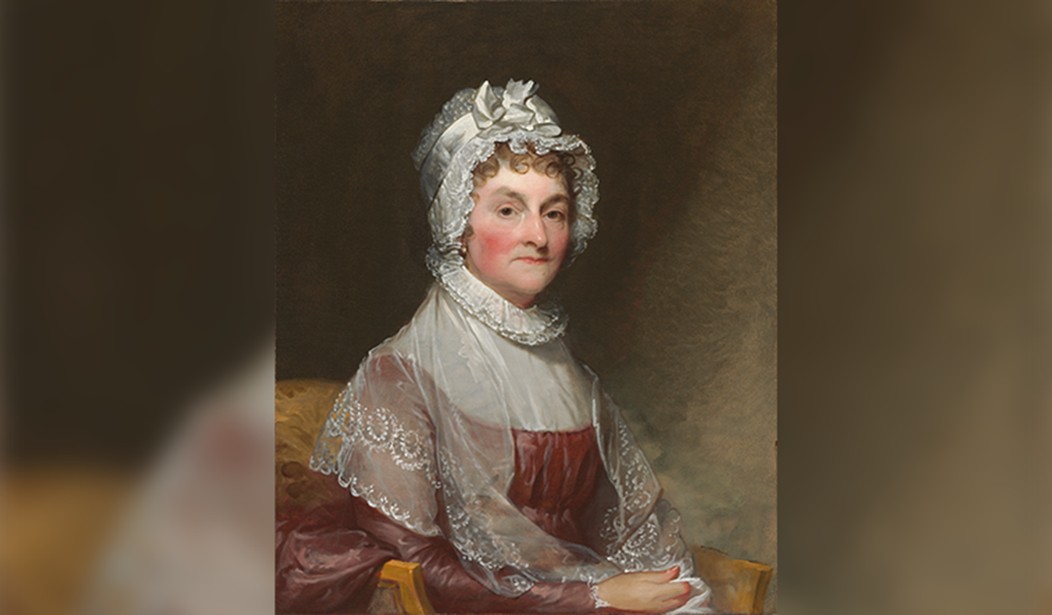
Two hundred and fifty years ago, on March 31, 1776, Abigail Adams wrote a letter that still echoes across generations. In it, she urged her husband John—and the leaders shaping a new nation—to “Remember the Ladies.” Those simple words carried a conviction, and a vision: that no nation could truly flourish if it overlooked the wisdom, dignity, and influence of its women.
Two hundred and fifty years later, her words feel less like a relic of the past and more like a charge for the present and an appeal for the future.
From the very beginning, women were not bystanders in America’s story. They were builders—often unseen, often uncredited, but indispensable. During the American Revolution, while men fought on battlefields, women held the fragile fabric of the nation together at home. They managed farms, ran businesses, raised children in uncertainty, and in many cases, acted as couriers, spies, and providers for the cause of liberty. The Revolution was not won by soldiers alone; it was sustained by women who refused to let the flame of independence go out.
In the generations that followed, women continued to shape the moral direction of the country. In the fight against slavery, women organized, wrote, spoke, and mobilized. They formed abolitionist societies, sheltered those seeking freedom, and used their voices—sometimes at great personal cost—to call a nation to live up to its founding ideals. Their influence did not always make headlines, but it moved hearts, and ultimately, it shaped history.
During the Civil War, women once again stepped into the breach, serving as nurses, organizing aid societies, managing households under extraordinary strain, and carrying the emotional and physical burdens of a divided nation. They were the steady hands in a time of upheaval—the ones who endured, adapted, and helped bind the wounds of a fractured nation.
And yet, even as they gave so much, women were still fighting to be fully recognized. The suffragettes took up that mantle with determination and grit. For decades, they marched, petitioned, and persisted until women secured the right to vote.
During World War II, the influence of women became unmistakably visible. At home, mothers stepped into roles the nation urgently needed filled—working in factories and shipyards, producing the planes, ships, and supplies that sustained the Allied effort. They rationed food, collected scrap metal, and planted victory gardens to feed their families and support the war effort. They held households together while the men they loved were oceans away.
While the influence of women and mothers in America steadied our nation, our contributions to society and culture did not rest in public movements and politics alone. Some of the most profound contributions have come through quiet acts of preservation and stewardship, protecting landmarks like Mount Vernon and the Alamo, knowing that a nation must remember its story in order to remain grounded in its purpose.
For 250 years, women—especially mothers—have served as the moral compass of the nation. Not from the sidelines, but from the center of the home, where values are first taught, character is first formed, and the next generation is prepared to carry forward the responsibilities of freedom. As John Adams observed, women are “the most infallible barometer of morality and virtue in a nation.” Daniel Webster recognized it as well, noting that the cultivation of sound morals was essential to the preservation of a free government.
These truths have not changed.
What has changed is the temptation, in our time, to overlook or diminish that influence—to treat it as secondary, or worse, to redefine it entirely. But history tells a different story. Again and again, when the nation has faced moments of uncertainty, it has been women—grounded in conviction, guided by principle—who have steadied the course.
That is why Abigail Adams’ words still matter. “Remember the Ladies” is not a slogan. It is a reminder that the strength of a nation is inseparable from the strength of its women, and the health of its future is inseparable from the integrity of its homes.
As we mark this 250-year milestone, we do more than look back. We honor the women of the American Revolution who steadied a fragile nation, the abolitionists who challenged injustice, the women of the Civil War who carried a divided country through its darkest hours, the suffragettes who secured a voice in its future, and the countless others—named and unnamed—who preserved its history and shaped its culture.
And we recognize the women of today who stand on that foundation.
The call now is the same as it was then: clarity, courage, and conviction. The ladies cannot be erased. They cannot be forgotten. And they cannot be replaced. Their influence is not incidental—it is foundational.
When women rise to protect what matters most, families flourish, communities are strengthened, and freedom endures.
Abigail Adams understood that. Two hundred and fifty years later, we would do well to remember it.
Editor’s Note: Do you enjoy Townhall’s conservative reporting that takes on the radical Left and woke media? Support our work so that we can continue to bring you the truth.
Join Townhall VIP and use promo code FIGHT to receive 60% off your membership.


Join the Conversation
VIP members get the ability to comment on articles.