


Every spring, a farmer in the Corn Belt makes a bet before a single seed goes in the ground. Fertilizer is often the biggest check he writes, and this year it got bigger. Diammonium phosphate, the workhorse source of phosphorus, climbed from about $630 a ton to roughly $840 in the Corn Belt, according to economists from the University of Illinois. Those costs don’t stay on the farm. They show up months later in the price of bread, beef, and milk.
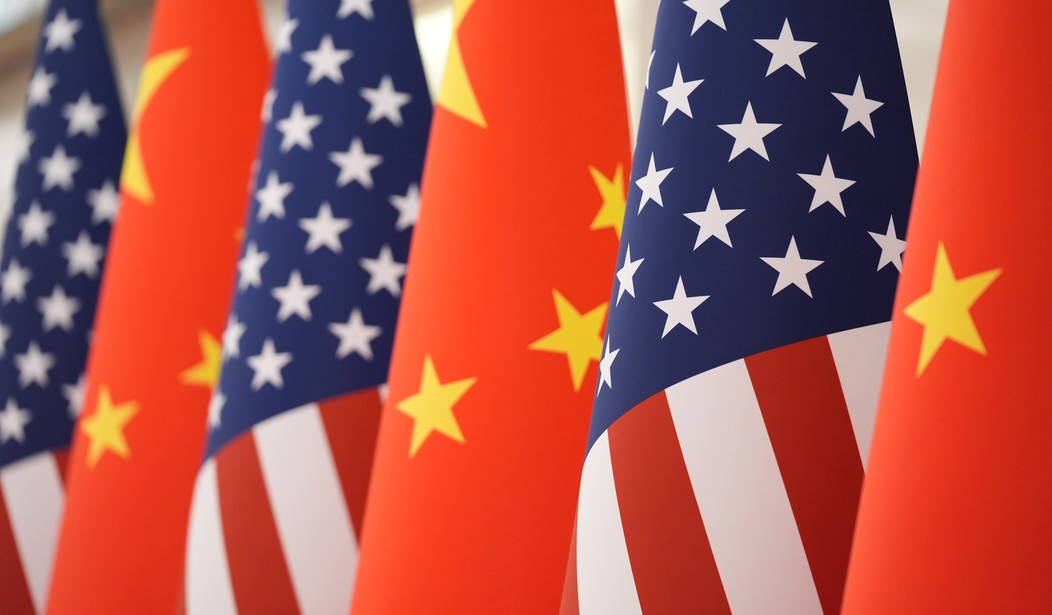
Washington has a convenient scapegoat: domestic producers. However, there is an explanation that is less convenient for policymakers, one they would rather not dwell on: the Chinese Communist Party.
Start with what Beijing did, and how it did it. In mid-March, as the war with Iran choked off traffic through the Strait of Hormuz, China banned exports of nitrogen-potassium blends and several phosphate products. It never formally announced the policy. Traders learned of it from industry sources and from shipments that simply stopped. By Reuters' analysis of Chinese customs data, between half and 80 percent of what China exported the year before was suddenly restricted. By one estimate, that pulled as much as 40 million tonnes of fertilizer off a market already in crisis.
Then came sulfur. It is the unglamorous ingredient behind phosphate fertilizer: producers turn it into sulfuric acid to unlock phosphate rock. The Middle East produces a third of the world’s sulfur, and the war sent prices soaring. Vancouver sulfur, a key benchmark, went from about $60 a ton to more than $1,000. Rather than help steady the market, Beijing moved to halt sulfuric acid exports starting in May. China shipped 5.3 million tonnes of phosphate fertilizer abroad in 2025. This year, according to Argus, that figure has fallen to almost nothing.
The pattern is the point. As one BMI analyst put it, “China restricts supplies rather than coming to the rescue during global tightness.” Beijing choked fertilizer exports in 2021 and again in early 2025. It has run the same playbook on gallium, graphite, and rare earths. The method rarely changes: no formal rule, just quotas, inspections, and paperwork that quietly stop the flow. When it suits China, the tap reopens. Beijing let six to seven million tonnes of urea out this year, enough to move global prices. Relief for the world’s farmers arrives on China’s schedule, not theirs.
America is less directly exposed than Brazil, India, or Southeast Asia, which buy much of their fertilizer from China. But fertilizer is a global commodity. When China pulls tens of millions of tonnes off the world market, every buyer bids for what is left, and an Iowa farmer pays the same world price as one in Mato Grosso.
Yet Washington’s energy is pointed inward. The Justice Department has reportedly been examining whether major fertilizer producers coordinated prices, and dozens of private class actions are now consolidated in federal court in Kansas. Antitrust law should be enforced wherever the evidence leads. However, a political narrative that pins this year’s prices on American companies gets the diagnosis backward, and the cure could be worse than the disease.
Treating domestic producers as the villain discourages exactly the investment the country needs: new mines, new plants, new acid capacity. And if the answer to high prices is to lean harder on subsidized, state-backed suppliers overseas, we will simply trade one dependency for another. We would hand more leverage to governments that have shown they will use it.
What should Washington do instead?
First, call it what it is. The U.S. Trade Representative and the Commerce Department should formally document China’s informal fertilizer and sulfur export controls as the trade distortions they are, and press them with allies the way we now press Beijing on critical minerals. Phosphate and potash already sit on the federal critical minerals list. Our trade policy should act like it.
Second, build at home. American producers mine phosphate rock, recover sulfur from refineries and gas plants, and make nitrogen from domestic natural gas. Faster permitting for mines and processing plants, and support for new sulfuric acid and fertilizer capacity, would make farmers less hostage to decisions made in Beijing. A strong domestic industry is the best insurance policy farmers have.
Third, work with our allies. Canada, Australia, and other reliable producers have every interest in a fertilizer market that a single government cannot switch on and off. Shared market monitoring and coordinated responses to export bans would blunt the next squeeze before it reaches the farm.
Farmers can survive a dry summer or a bad harvest. What they cannot plan around is a hostile foreign government that rations a global necessity whenever it is convenient. This fight was never really about corporate villains. It is about whether America lets Beijing set the price of its food.
Editor's Note: Do you enjoy Townhall's conservative reporting exposing the radical left and woke media? Support our work so we can keep bringing you the truth.
Join Townhall VIP and use promo code FIGHT to receive 60% off your membership.


Join the Conversation
VIP members get the ability to comment on articles.