





"As long as you've got enough money for gas, you can stay in the race," says one veteran Iowa Republican operative of the sprawling 2016 presidential field. "It's going to take a long time for this to play out."
Yes, there are tons of stories in the press about this or that candidate raising zillions of dollars. But the truth is, a lot of Republican hopefuls -- an unprecedented number -- will have the wherewithal to run at least bare-bones campaigns for many months to come. And some of them could help shape the race and its top issues, even if they never climb into the top tier.
Perhaps a single candidate will break out with a big lead by the beginning of fall. But it's more likely that won't happen, which could lead to a series of results in the early 2016 contests that seem less than conclusive.
"In the last election, Mitt Romney and Rick Santorum tied in Iowa with 24.6 percent of the vote," notes another GOP strategist. "You're going to have a deeper field this time -- I would bet you anything that 20 percent wins Iowa, and maybe that 18 percent wins."
If a losing candidate has enough money for gas -- especially if he's getting a SuperPAC boost -- why pull out when the winner only got 18 percent of the vote?
Likewise, Romney won the New Hampshire primary with 39.3 percent of the vote. This time, "It looks to me like 25 percent could win New Hampshire -- maybe 22 percent," notes the strategist.
Right now, there are 14 candidates in the GOP field currently being measured by the RealClearPolitics average of polls: Bush, Rubio, Walker, Paul, Cruz, Huckabee, Christie, Carson, Perry, Kasich, Santorum, Graham, Jindal and Fiorina, in order of their current standing in national surveys.
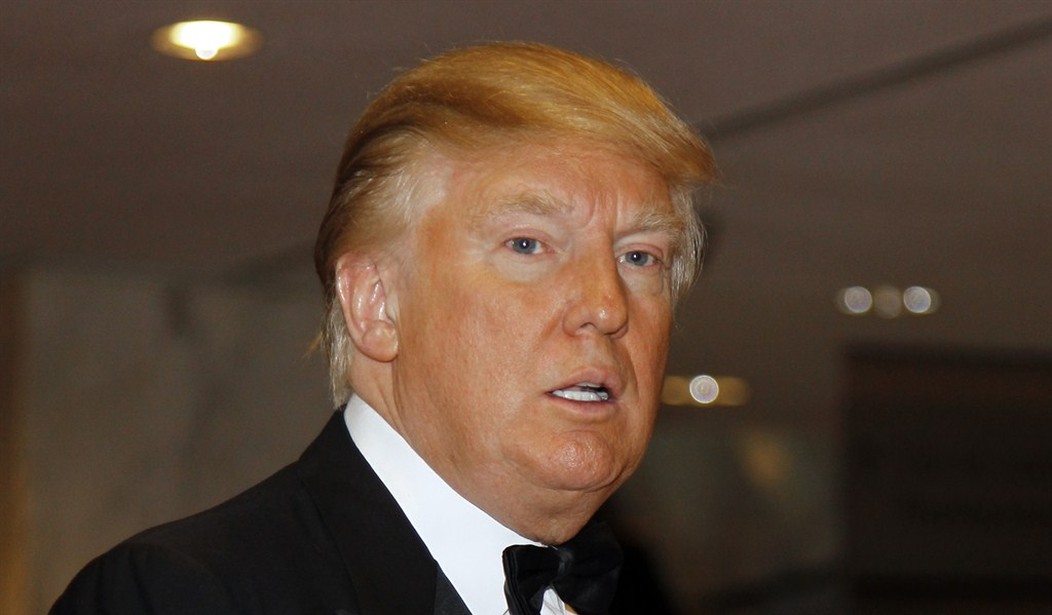
There are still others not in the average. Donald Trump, for example, is not in the average but is polling at five percent in the new WMUR Granite State poll of New Hampshire -- ahead of nine candidates who are in the average. Then there are John Bolton, George Pataki and others who are showing up at Republican campaign events.
There's been a lot of discussion, publicly and behind the scenes, about how to conduct a debate with such a large field. The biggest Republican debate in the 2012 primary season was nine candidates; there were 10 GOP candidates in a few 2008 debates. There were eight Democrats in a 2008 debates, and nine in some 2004 showdowns. But no one has ever gotten near the number of GOP candidates today.
It's generally assumed that a debate field of, say, 15 candidates would be far too large to handle in the traditional format. But organizers might go ahead and do it anyway, because the alternative -- cutting some candidates out before anyone has even gotten a chance to speak to the debate audiences -- would not sit well with a lot of Republicans. Why not just have a really long debate -- there's no reason it has to be limited to 90 minutes or two hours -- and give everyone his or her say?
"If they have any sense, they will start out with debates that are too big and try to winnow them out over the fall," says the second operative. "If they start out with too much winnowing, there will be backlash from voters."
Or maybe there's some creative solution. Put 14 candidates' names in a hat, pick out half, and then the other half, and hold Debate A and Debate B at the same time. It would be a nightmare for organizers, but it would cover everybody. Or maybe try some sort of pod system with several smaller debates.
Jaded veterans of the political game will scoff at such plans. No matter how big the field is, they'll say, the fact is the winner will come from a very small group -- Bush, Walker, Rubio -- and the rest is just show.
Maybe that's true. But the show is important. Should, say, Bobby Jindal -- currently polling at 1.3 percent in the RealClearPolitics average, putting him in 13th place -- be included in debates? Only if Republicans want to hear from the only candidate who has actually written a plan to replace Obamacare. Should Carly Fiorina -- 1 percent, in 14th place -- be included? Only if Republicans want to hear from a candidate who has run a Fortune 50 company.
The point is, there are a lot of smart candidates in the field. They are most likely going to be in the race for some time. Of course they should be part of the conversation.
Join the Conversation
VIP members get the ability to comment on articles.