







After declining in the previous year, drug overdose deaths in the United States rose 18 percent in the 12-month period beginning Jun. 2019 and ending May 2020. According to the CDC, drug overdose deaths were already on the rise in 2019 but accelerated during the early months of the Wuhan coronavirus pandemic.
A new CDC report reveals that approximately 81,230 people fatally overdosed in the United States during the 12-month period. It's the largest number of drug overdoses for a one-year period ever recorded.
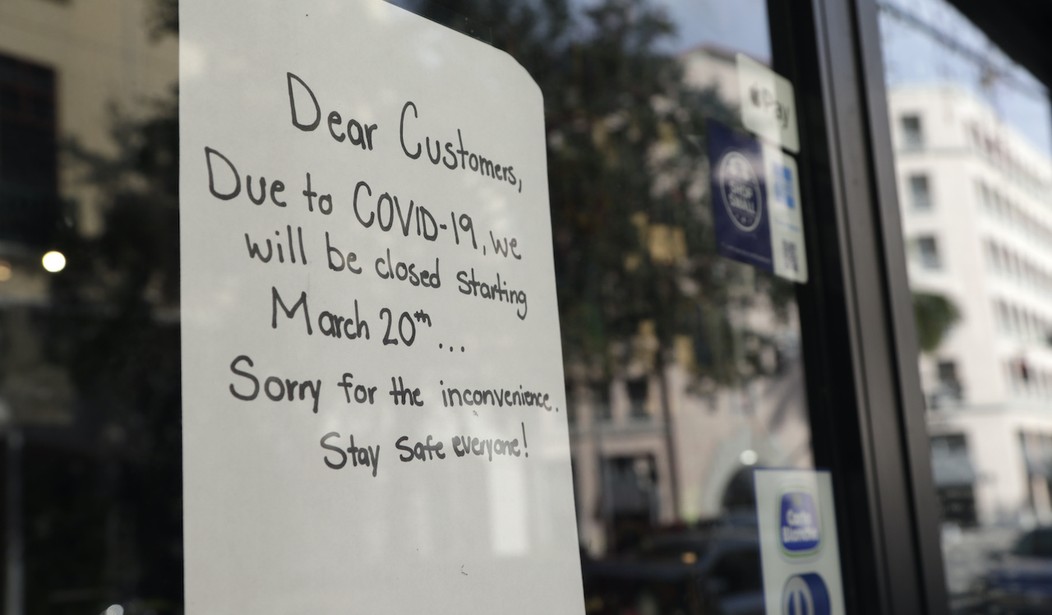
According to estimates, the report notes the largest monthly increases occurred in March and April, coinciding with the start of the coronavirus pandemic, the first lockdowns, and the fever pitch of media hysteria over the virus. The estimates for overdose deaths in those two months are the largest on record since provisional 12-month estimates began to be calculated in January 2015.
The CDC says the deaths were primarily driven by overdoses involving synthetic opioids like illicitly manufactured fentanyl but also noted a significant rise in the number of deaths involving psychostimulants with abuse potential, such as methamphetamine.
While the media presents constant updates about the death toll and number of coronavirus cases, rarely is the damage caused by the lockdowns presented for the public to see.
In May, following several weeks of painful lockdowns, hundreds of doctors signed a letter to President Trump calling the lockdowns a "mass casualty incident."
"These include 150,000 Americans per month who would have had a new cancer detected through routine screening that hasn't happened, millions who have missed routine dental care to fix problems strongly linked to heart disease/death, and preventable cases of stroke, heart attack, and child abuse. Suicide hotline phone calls have increased 600%," the doctors wrote.
The birth rate in the United States is also expected to drop substantially. The Brookings Institute estimates that somewhere between 300,000 and 500,000 fewer births will occur in the next year due to the pandemic. The number is way up from the previous year's drop of 44,172 births.
Early indicators also suggest suicides are on the rise, though official data is unavailable. In Japan, for example, more people committed suicide in the month of October than died from COVID-19 throughout the course of the pandemic.
And a new study analyzing income and poverty in the United States found nearly 8 million Americans fell into poverty over the Summer. According to one of the study's authors, it's the largest jump in poverty recorded during a single year since the government first began tracking poverty 60 years ago.
Even the World Health Organization (WHO) has recognized lockdowns hurt poor people and should largely be avoided.
"Lockdowns just have one consequence that you must never ever belittle, and that is making poor people an awful lot poorer," said Dr. Nabarro, the WHO's Special Envoy on COVID-19, in October.
It looks like there is a whole of bad to outweigh any good that may come from the lockdowns. Governors and local leaders should remember these negative consequences before locking down again.



Join the Conversation
VIP members get the ability to comment on articles.