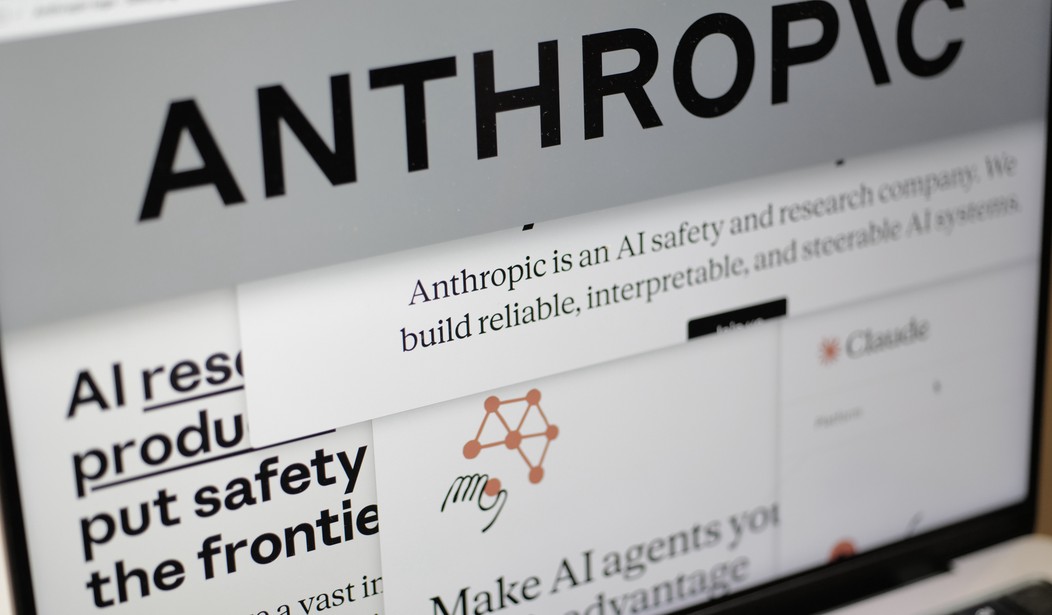

Which is preferable when it comes to dangerous technology: private companies or government? With weapons of war, nuclear bombs, for example, the answer may seem less complicated. But with something like artificial intelligence, the question becomes far murkier.
In an interview over the weekend, Anthropic CEO Dario Amodei said it has “always been very strange” that AI is being built by private companies rather than the government, an arrangement he said makes him uncomfortable. Asked whether he would be willing to hand the technology over to government control, Amodei said he would consider it “to the right combination of governments.” However, he quickly added that a single government could abuse AI just as easily as a single private company, and clarified that he was envisioning some form of “joint governance” rather than a straightforward handover.
Let’s be clear: We should be abundantly thankful that AI is not being built by a government bureau, and even with their faults, hope this new technology remains in the hands of private companies.
ANTHROPIC CEO DARIO AMODEI SAYS IT HAS "ALWAYS BEEN VERY STRANGE" THAT THIS TECHNOLOGY IS BEING BUILT BY A PRIVATE COMPANY, AND THAT HE IS "UNCOMFORTABLE" WITH IT
— IPO Newsroom (@IPONewsroom_) September 13, 2026
Asked on CBS Sunday Morning whether he would hand the technology, or the company, over to the government:
"I am… pic.twitter.com/Rwk6tOOrsK
"It seems like the fate of humanity is at risk. How much personal responsibility do you feel about where we are going?" CBS News' Jo Ling Kent asked.
"So, you know, look, my view here is it has always been very strange that this technology is being built by a private company," Amodei said. "People ask me that question all the time. Why isn't this being built by government? And the strangest thing about it is I agree with them. I'm uncomfortable."
"Would you be willing to give up the technology to the government?"
"To the right combination of governments. So the worry I have..."
"You're willing to hand over this company?" Kent asked.
"I am concerned that one single government could abuse this technology just as easily as a single company could," Amodei replied. "But I think a combination of democratically elected governments, I don't know about handing over, but some kind of oversight, some kind of joint governance."
This is a take I find odd, specifically, the idea that government, or the “right combination” of governments, is somehow preferable to private companies. It is a myth that belongs in the depth of history books alongside the political ideologies of socialism and communism.
Our best hope actually lies in the fact that this technology is currently controlled by private companies, rather than a single government or a global coalition of them. Let me explain why.
Markets come with checks and balances built in, checks that governments struggle to legislate and, frankly, often destroy when they try. Competition is natural. Profit is a powerful driver. Companies must persuade customers, satisfy investors, retain workers and outperform competitors, or they lose business. Government is bound by none of those pressures.
Yes, it is true that "the people" cannot directly control private companies. But why does that matter? They are still bound by our collective satisfaction in their product or service. What does a company have to gain from deploying an openly evil technology against the public? It will not be profit. A company that harms its customers risks lawsuits, public backlash, a collapsing reputation, employees leaving and competitors taking its place. Competition pushes companies to improve products, safety and value precisely because customers have other options. Government faces no such constraint. It does not need to earn customers, turn a profit or worry that a better competitor will take its market share. It can fail, waste money, restrict choice and expand its own authority while the public is still required to live under its decisions.
Political history is filled with governments that have killed, starved or otherwise sacrificed their own people in pursuit of ideology, war or power, sometimes deliberately, sometimes through breathtaking incompetence. That is the point Amodei’s proposal, regardless of how serious, misses. AI may be powerful and dangerous, but handing it to a government, or even the supposedly “right combination” of governments, would not remove the danger of concentrated power. It would make that concentration permanent and nearly impossible to escape.