





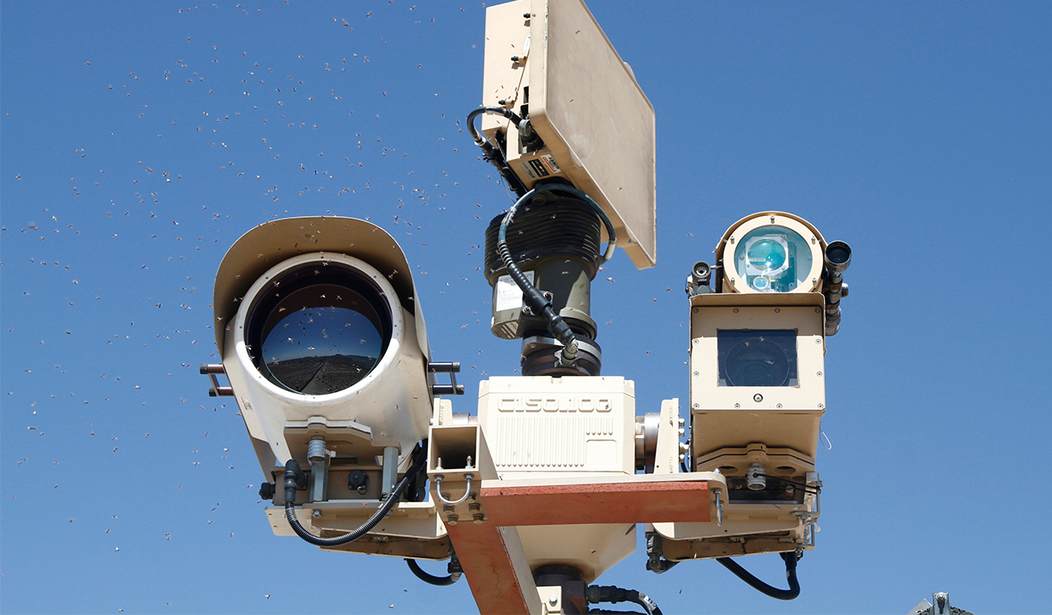
Flock cameras nearly turned a routine drive into a deadly encounter last week, and exposed how dangerous a new surveillance state can become.
Last Thursday, a Flock camera in Wisconsin flagged a silver SUV as connected to a Milwaukee homicide investigation. Brookfield police shut down I-94, boxed in the vehicle, and detained its two occupants at gunpoint. There was just one problem: the alert was outdated. Milwaukee police had failed to remove the vehicle from the system after it was no longer wanted in the investigation. The SUV’s occupants had nothing to do with the homicide, yet a bureaucratic lapse and an automated alert subjected them to a high-risk police stop that could easily have ended in tragedy.
Police shut down I-94, boxed in a silver SUV and held two people at gunpoint after Flock cameras flagged the vehicle as connected to a homicide. Authorities later determined the alert was outdated and had not been removed from the system. pic.twitter.com/IwQtDnZoB5
— Breaking911 (@Breaking911) August 9, 2026
Flock cameras are automated license-plate reader (ALPR) devices that incorporate AI technology in the name of making society safer. And to be clear, the system can indeed improve public safety as advertised. The real question is whether that benefit justifies granting law enforcement, and government more broadly, the sweeping surveillance power these systems can create, and the extent to which that power infringes on individual liberty.
While the occupants of the vehicle were not harmed, the incident in Milwaukee highlights just how large of a mistake the system can help generate.
Wisconsin law enforcement, however, insists the controversy has nothing to do with the Flock system itself, instead attributing the incident to human error.
"To be clear, this was not a Flock issue," police said in a statement. "The vehicle alert that remained from MPD generated the information that the vehicle was still wanted."
This comes as questions about a China-like surveillance state become increasingly relevant as Flock systems expand across the country. Flock says its network now includes nearly 100,000 cameras operating in more than 6,000 communities across 49 states, giving participating law-enforcement agencies access to a vast, interconnected database of vehicle-location records.
That is the danger at the heart of Flock’s expansion: it does not require a malicious officer or a deliberately abusive policy to threaten innocent people. It requires only one stale alert, one bad entry, or one bureaucratic failure, and suddenly an ordinary driver becomes the target of a high-risk police stop.
As these systems spread into more communities and assemble ever-larger databases of Americans’ movements, the question is no longer whether the technology can help police solve crimes. It is whether a free society should tolerate a surveillance apparatus that can so easily transform administrative error into a tragedy.
Editor's Note: Do you enjoy Townhall's conservative reporting that takes on the radical Left and woke media? Support our work so that we can continue to bring you the truth.
Join Townhall VIP and use promo code FIGHT to receive 60% off your membership.


Join the Conversation
VIP members get the ability to comment on articles.