







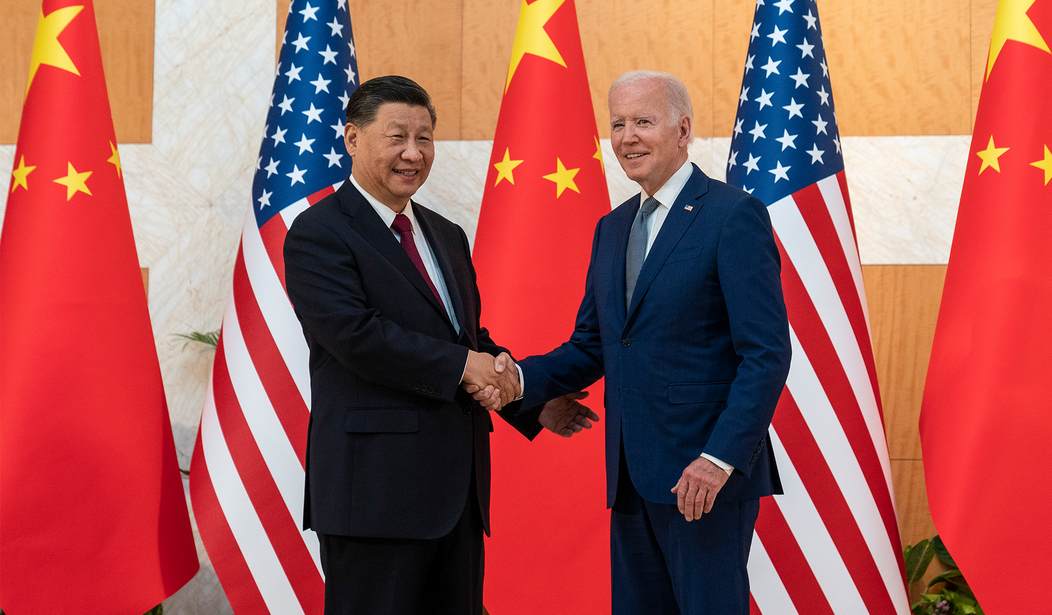
China's economy is struggling post-COVID-19. Growth is slower than expected, demographic trends are negative, youth unemployment is high, overbuilding has created a housing crisis and government indebtedness is ballooning. These are only a few of the symptoms ailing the country, and things could get worse. Did any of the Americans who not long ago wanted to implement some of China's top-down economic policies see this coming? Of course not. We've seen these pessimists make similar mistakes before.
Indeed, much of the economic narrative of the late 20th century was consumed by Japan's meteoric rise. Just a few decades ago, many in academic and policymaking spheres made similar predictions about how Japan's postwar resurgence portended U.S. demise. Many also advocated replacing our free-market policies with the heavy-handed economic interventions that they were confident formed the secret sauce of Japan's fast growth: industrial policy.
We should always be suspicious of single-factor explanations of an extremely complex phenomenon like economic growth. Japan's once-famed Ministry of International Trade and Industry (MITI), the agency in charge of its industrial policy, was only one of millions of decision-makers large and small that were operating, producing and investing in Japan. While MITI was indeed involved in various aspects of the Japanese economy, with a major focus on strengthening the country's industrial base and increasing its exports, the narrative that it masterminded Japan's growth was grossly overstated.
Indeed, a far more significant contributor to Japan's economic success was overall economic freedom between the 1950s and 1970s. Texas Tech economist Benjamin Powell notes that in 1970, Japan was the seventh-freest economy in the world.
Reduced cronyism due to the postwar breakup of special interests, a lack of antitrust restrictions on joint research and development, and the freedom of banks to own stock are examples of circumstances that cleared the way for Japan's impressive postwar growth. This growth was further assisted by both the Japanese cultural propensity to save and by pro-saving tax policies.
Japan's overall environment of low and declining taxes and economic freedom between the 1950s and 1970s, along with high Japanese savings, fueled a legitimate boom in private-sector investment. The Hoover Institution's David Henderson reports that gross private investment grew from roughly 17% of Japan's GNP in the early 1950s to 30% in the early 1970s. These numbers dwarf the size of any government investments in the economy during that period.
What's more, some of the most significant Japanese success stories emerged from sectors that were not the primary focus of MITI. Not the least of these is the automobile industry. Companies like Toyota and Honda rose to global prominence by refining their production processes, exemplified by the famed Toyota Production System. These innovations were driven by the companies themselves, not by directives from MITI.
In fact, MITI once attempted to consolidate the Japanese auto industry, believing that the result would be more efficient production. Fortunately, industry leaders resisted. Had they not done so, we might never have seen the global rise of brands like Honda. And luckily for Japan, MITI tried but failed to stop Sony from buying the manufacturing rights from Western Electric to develop the transistor radio. The rest is history.
Although some MITI-championed industries are profitable today, this is not evidence that they wouldn't have been profitable without the original government investment. Similarly, the Japanese government's push to reallocate resources away from an inefficient agricultural sector into manufacturing may have played some role in the country's economic growth, but there's a limit to what policies like these can achieve.
As the country transformed its economy into an export factory, it failed to shift to more of an innovation-based economy in large part due to government erected barriers, leaving average citizens with little to show for the "success" of subsidizing the production of lots of stuff for foreigners to consume.
Japan's government eventually tried to mask this resulting impoverishment with tighter import restrictions, more government spending and easier money. But to no avail, as evidenced by a painful economic slowdown. As the country entered the 1990s -- what is now known as its "lost decade" -- it also became known as an example of government mismanagement.
Something similar is happening now in China, only on steroids. Japan didn't have an authoritarian communist government to make big problems even bigger. The only question that remains to be answered is this: Why do we Americans always seem to believe those who tell us that industrial policy is a surer path to prosperity than economic freedom?



Join the Conversation
VIP members get the ability to comment on articles.