





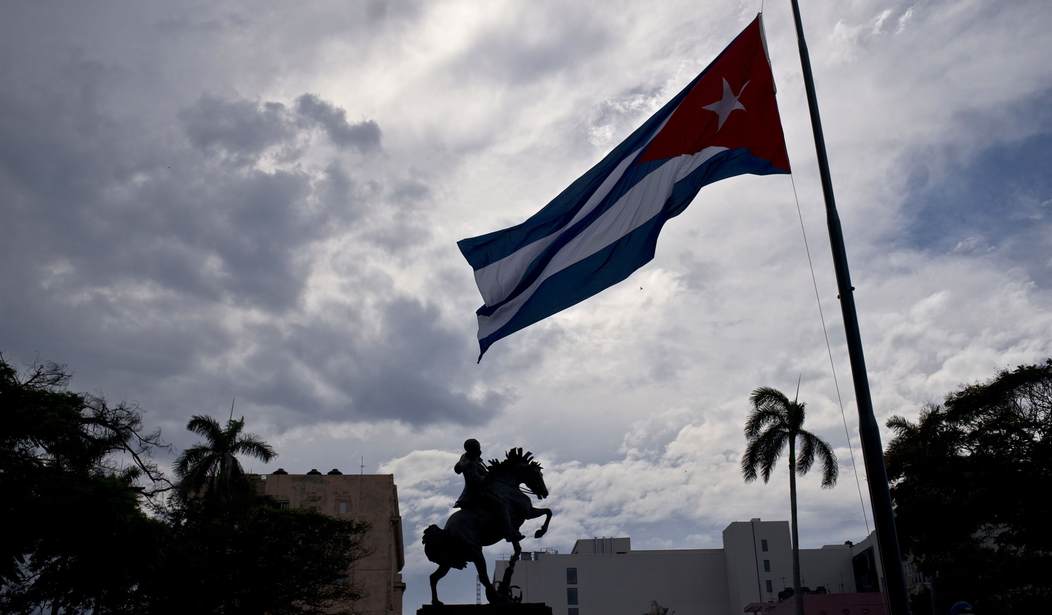
The spring weather is behind us, and with it flocks of northerners migrating to Miami for a quick getaway.
As Floridians escape the outdoors this summer, museums represent a timely reprieve from the coming heat. Dating back to the COVID-19 pandemic, many Florida exhibits have seen an uptick in summer attendance, with visitors using the warmer weather as an excuse to catch up on art, culture, and history—plus extra air conditioning.
In Miami, there is no better opportunity to understand South Florida than the American Museum of the Cuban Diaspora, which has emerged as the voice of the Cuban-American community on its uniquely situated corner of Coral Way. The Cuban’s new permanent exhibit, “The Cuban Experience,” answers questions about Miami’s Cuban-American core—its fiery, freedom-loving spirit—that residents and visitors alike can benefit from understanding in greater detail.
What makes Cuban-Americans unique in their political and socioeconomic worldview? How do they make Miami different from any other city in the United States? Why do they lean Republican, and what don’t many Democrats understand about Cuban America’s ideological predisposition?
All of these questions are answered through “The Cuban Experience,” which honors the Cuban exiles who fled to South Florida to escape communism with hundreds of artifacts, pictures, videos, and other testaments to their singular experience in America. The Cuban also helps museum guests identify the dangers to their own freedoms today by telling the story of how—in one generation—a once-free and prosperous republic was transformed into an oppressive, impoverished dictatorship under the communist Castro regime.
On the eve of Fidel Castro’s 1959 revolution, Cuba ranked fifth in the Western Hemisphere (the United States and Canada included) in terms of per-capita income, third in life expectancy, second in the ownership of automobiles and telephones, and first in the number of television sets per inhabitant. Cuba had more doctors and dentists per capita than Great Britain, and a lower infant mortality rate than France or Germany.
Fast forward to today, and nearly 90 percent of Cubans live in extreme poverty. Seven out of 10 Cubans have stopped eating breakfast, lunch, or dinner due to lack of money or food shortages. What happened—again, within a single generation—is captured viscerally at The Cuban.
Whether you’ve lived in Miami for decades, settled here during the pandemic (like my wife and I), or just want to visit for a weekend, The Cuban has something for everyone. It is geared toward fluent Spanish speakers and cortadito novices alike.
I am certainly no novice when it comes to cortaditos, cigars, or the pitfalls of collectivism. My parents grew up in communist Yugoslavia, and I was born in Bosnia and Herzegovina at the height of the Balkan war during the 1990s. From the restriction of religious expression to the persecution of anti-communist dissenters (or accused dissenters), the stories of Josip Broz Tito’s repressive regime were not just tales of a foreign land; they formed an integral part of my childhood. And, despite all of that, The Cuban’s timely reminder about communism—at a time when millions of Gen Zers embrace socialist propaganda—is eye-opening even to me. It is a crash course that we all need to take.
Communism may not be intimately familiar to most Americans, but it is ruining and claiming lives around the globe today. Even the world’s bastion of freedom—America—is not immune to the specter of collectivism, which is especially tempting to young Americans whose families have never been touched by communist repression on a personal level.
And there is no more quintessentially American story than the Cuban exile’s quest for a dream. Ninety miles north of their homeland, Cuban-Americans have found a friend in capitalism after the new way of life under communism became their foe. It is a beautiful story, made all the more timely in the summer, which brings the July 26th anniversary of the Cuban Revolution’s origins in 1953.
In Miami and beyond, let’s use the summertime as our crash course on communism, whether it’s your first or 15th. Lest we forget yesterday and repeat its mistakes tomorrow.
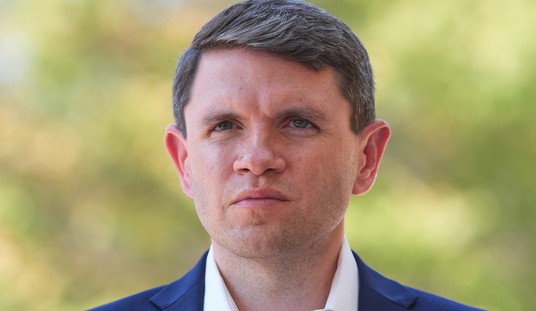
Luka Ladan is president and CEO of Zenica Public Relations, based in Miami.

Join the Conversation
VIP members get the ability to comment on articles.