





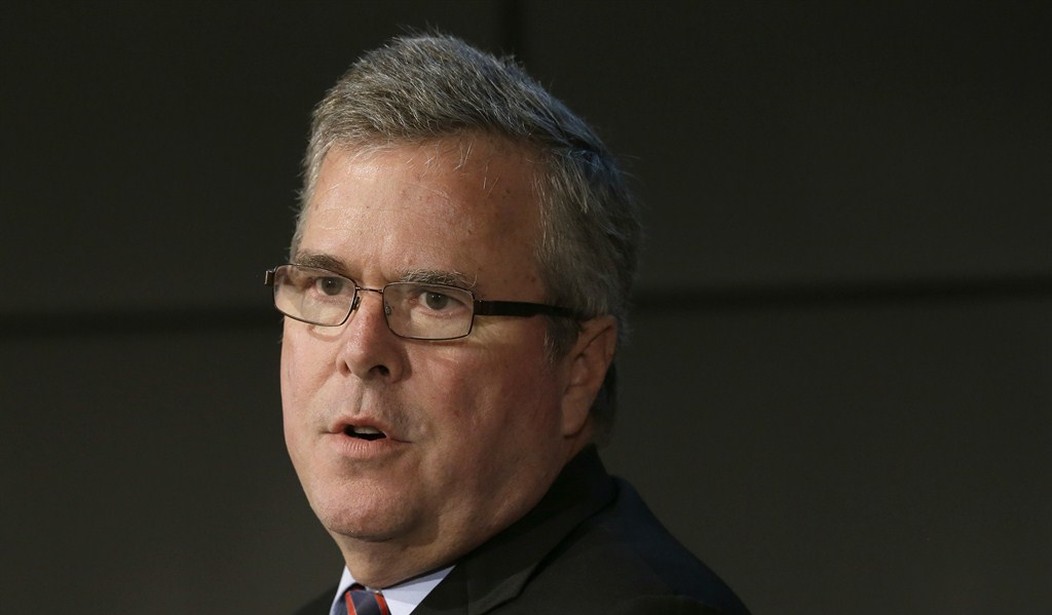
Some Republican fat cats are trying to coax former Florida Gov. Jeb Bush -- brother and son to two former presidents -- into making a bid for the White House. Democrats have been less subtle. They've created a super PAC called Ready for Hillary, which is only slightly less obvious a gesture than constructing a giant neon sign reading "Run, Hillary, Run."
For obvious reasons, these developments have generated a lot of discussion about political dynasties in America. That's understandable. After all, in a democratic republic, the prospect of dynasties should make everyone at least a little uncomfortable.
Populists of the left and the right like to focus on the more sinister problems of dynasties -- the suspicion that the elites have rigged the system in favor of a few powerful families. It sometimes sounds like we're discussing lines of European nobility swapping out turns on the throne. But in America, where leaders have to run for office, a more useful way to think about dynasties might be to think of them as brand names.
In chaotic and confusing marketplaces, brand names are a useful shortcut. People buy stuff from Apple because they think they know what they'll get from Apple. The same goes for Kennedys, Bushes, Clintons and, these days, Pauls. (If Rand weren't the son of Ron, his political persona would be very different.)
From this perspective, the effort to lump the Clintons and the Bushes into the category of political dynasties tends to distract us from the very real differences in their brands.
Let's start with Jeb Bush. For years conservatives have quietly spoken of how we elected "the wrong Bush" in 2000. Jeb's national reputation on the right was always better than George's, at least outside of Texas. But Jeb lost his first bid for Florida governor and that ruined the timing for him. As a result, George W. was able to successfully trade on the value of the Bush brand first.
The trouble is, fairly or unfairly, that brand is tarnished. Among the rank and file of the GOP -- particularly among Tea Party types -- no one wants to see another Bush on the ballot. It's not unimaginable that a Bush nomination would spark a significant third-party movement on the right.
Bush's problems aren't entirely attributable to his last name. For instance, to conservative grassroots activists, his support for the education reform Common Core is a major black mark. But, all other things being equal, the bar would be much lower for him if his last name were Smith.
Things are very different for Hillary Clinton. At least within her party, the name Clinton is nothing but an asset. She benefits not only from her husband's successes but also from the sympathy for her generated by his personal failures.
More intriguingly, she's aided by many of Barack Obama's failures, too. If Obama's presidency had been more of a success, the left wing of the Democratic Party might balk at giving Team Clinton another shot. Her positioning to Obama's right in the primaries is largely why she lost.
But after two terms of partisan gridlock and anemic economic growth, Clinton the technocrat is palatable, particularly given the burning desire to elect a female president.
The dynamic would likely change dramatically in a general election. As the Democratic nominee, Obama's failures would instantly become a problem for Clinton, particularly on foreign policy and health care. And the Clinton brand name becomes at best a mixed bag, given that it wouldn't take long for the GOP to remind Washington-weary voters of the sordidness of the Clinton presidency. Hillary Clinton is a much worse campaigner than her husband, and given her omnipresence in American life for more than two decades, it's hard to see how she could sell herself as a fresh start.
It's less clear how well Bush would do as a nominee. Assuming he could keep the Tea Party right from bolting (a big assumption that might require putting Ted Cruz or Rand Paul on the ticket), Bush would have a lot of appeal to independents and a significant number of Latinos. Ironically, running against Clinton would make things easier for him because only in comparison to her (or Joe Biden) would yet another Bush seem like a fresh start.

Join the Conversation
VIP members get the ability to comment on articles.