





This week, I’m taking a slightly different approach, and I’d welcome reader feedback.
Instead of building this column around a single episode or argument, I’m going to do something closer to what serious campaigns and donors can use: a ranked summary of what voters talked about most last week, based on observed sentiment, volume, and emotional intensity across all online conversation as measured in EyesOver.
Not what the MSM emphasized.
Not what cable news argued about.
What actually absorbed attention.
The results are revealing, and they explain why some stories broke through while others barely registered.
The Week in Order of Impact
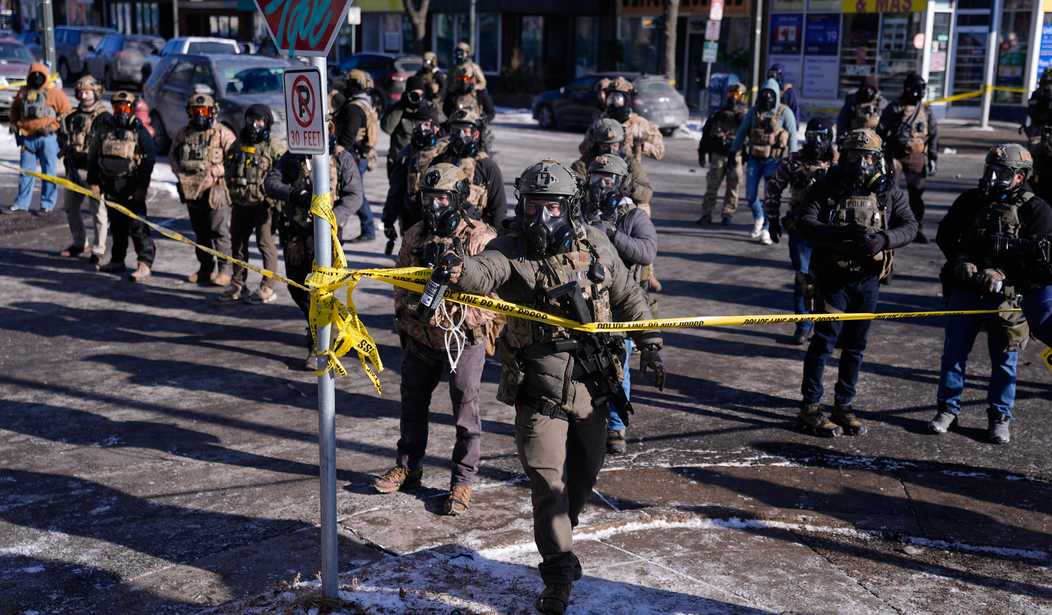
1. ICE Enforcement and the Minneapolis Shooting
This was the dominant story of the week by a wide margin.
Support for enforcement itself remained solid and aligned with President Trump’s instincts. What changed was where scrutiny landed. The conversation focused on execution, optics, and institutional response, not whether immigration law should be enforced.
That distinction matters. Voters were not debating deportations; they were debating whether federal institutions are equipped to carry out enforcement cleanly in a hostile political environment without letting opponents control the narrative.
For campaigns, the takeaway is competence (not caution!).
2. Trump’s “Board of Peace” Announcement for Gaza
The second most discussed story was international, but it mattered for domestic reasons.
The Board of Peace announcement generated sustained engagement; not because voters suddenly opposed Trump’s foreign policy instincts, but because it activated long-running skepticism toward global institutions, elite diplomacy, and humanitarian credibility.
Importantly, reaction clustered among politically attentive voters, donors, and activists — the kinds of people who shape downstream narratives.
3. Gaza War Accountability and Humanitarian Debate
Closely tied to the Board of Peace story, this ranked third.
The sentiment here was intense but fragmented. Anger, grief, and moral accusation dominated, but without a single organizing frame. That fragmentation limited its domestic political impact.
For U.S. campaigns, this story functioned less as a persuasion issue and more as a background stressor that colors elite discourse without moving broad voter coalitions.
4. Greenland and NATO
President Trump’s comments about Greenland produced a sharp but short-lived spike.
Nationalist voters praised the negotiating posture. Pro-NATO moderates and globalists expressed concern. The debate flared quickly and then dissipated.
This is a recurring pattern: bold executive signals generate attention, but only execution and follow-through sustain it.
5. U.S.–Israel Diplomatic Tensions
This story lived mostly at the elite level.
Netanyahu’s interactions with the White House and disputes over participation in international forums generated repetition in news coverage but limited emotional engagement among general voters.
It mattered for insiders. Less so for the public.
6. Somali Cash Courier Allegations in Minneapolis
This story reinforced the enforcement narrative but never consolidated.
It appeared as evidence; not as a driver. Voters who already distrusted institutions cited it. Others barely noticed.
That’s an important distinction for campaigns deciding where to invest oxygen. Especially those in Minnesota (looking at you, Michelle Tafoya!).
7–10. Everything Else
Congressional investigations into Trump, Iran protests, Ukraine comparisons, and other global crises all appeared — but none showed meaningful movement compared to prior weeks.
They were present, but certainly were not decisive.
What This Pattern Reveals
The big picture is straightforward: domestic enforcement execution now sets the frame for everything else.
Voters remain aligned with Trump’s instincts on strength, sovereignty, and enforcement; this is backed up by polling. What they are increasingly evaluating is whether institutions can carry those instincts out without unforced errors, silence, or confusion that hands leverage to political opponents.
The 2026 Implication
For 2026 campaigns, the implication is clear: Strength still wins, but competence is inseparable from strength.
Campaigns that assume enforcement alone is enough will miss where persuasion is actually happening. Campaigns that demonstrate discipline, clarity, and institutional control will compound advantage.
Polling will catch up later. Sentiment already moved. And by the time polling shows this, the moment will likely have passed.
The Unresolved Question
The open question coming out of last week’s data is this: Will federal institutions adapt to the political environment they are operating in, or continue creating avoidable legitimacy stress that opponents exploit?
That answer will matter far more than any single headline.
Next week, we’ll see whether enforcement remains the dominant lens, or whether attention shifts again. Either way, the value is in watching the movement, not arguing yesterday’s fight.
Editor’s Note: Do you enjoy Townhall’s conservative reporting and opinion? Support our work by joining Townhall VIP! Use the promo code FIGHT to get 60% off your VIP membership!


Join the Conversation
VIP members get the ability to comment on articles.