





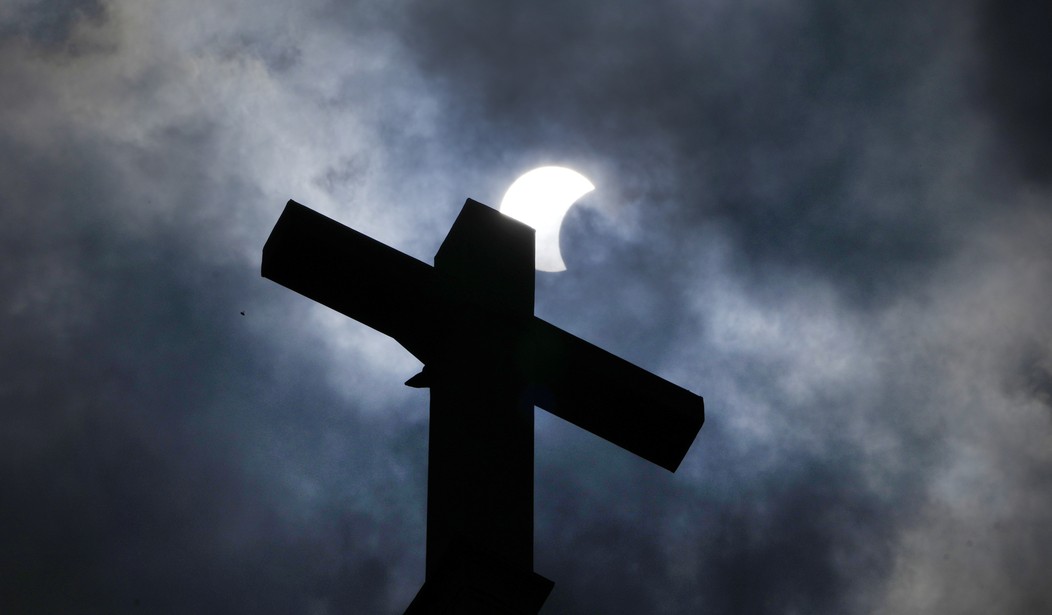
The Internal Revenue Service announced on Monday it is overturning a restraint on churches and other houses of worship that was supposed to keep them from endorsing candidates for political office.
The root of the ban extends back to 1954. Then-Senator Lyndon Johnson (D-TX) was running for re-election and faced a primary challenge from a wealthy rancher and oilman. A nonprofit conservative group published materials that recommended voters support Johnson's challenger. In what many believed to be retribution, Johnson introduced an amendment to Section 501 (c)(3) of the IRS Code, prohibiting organizations that are tax-exempt from trying to influence political campaigns. Many took this as an attempt to muzzle preachers.
The measure was rarely, if ever enforced. Many Black and white liberal preachers invited mostly Democratic candidates to their services close to elections, giving them tacit, if not outright, endorsements. Their tax-exempt status was never canceled. Issues ranged from the Vietnam War to civil rights.
On one level this is a freedom of speech issue, but not all freedoms are necessarily worth exercising. The larger question is: who benefits the most and least from the IRS ruling? Some politicians will benefit, but churches that see this as an opportunity to jump into the political waters will be harmed as they will dilute their primary mission. Besides, many churches have members who hold different political views. For the pastor to engage in partisan politics runs the risk of having some of them leave. I would.
There has always been a presumption among those advocating for more political involvement by churches that members are ignorant about politics and can't form their own opinions without instructions from their preacher. Organizations - liberal, but mostly conservative - have raised a lot of money promoting a fusion between church and state.
I don't attend church services to hear about politics. Neither do I wish to hear theological pronouncements from politicians, many of whom misquote Scripture, or take it out of context to fit their political agendas.
The mostly defunct Shakey's pizza restaurants used to have a sign on the wall that said: "Shakey's has made a deal with the bank. The bank doesn't make pizzas and Shakey's doesn't cash checks."
That's how I feel about politics in the pulpit. Politicians and preachers should mostly stay in their own lanes. Where Scripture speaks clearly to a contemporary issue, including marriage, gender, abortion and the wisdom found in Proverbs and Ecclesiastes, I'm ready to listen. But don't let me hear who the pastor prefers in the next election. I am not without information and neither is anyone else if they take the time to do research.
Religious people have an absolute right - indeed the country needs them - to express their views in the public square. Many of our Founders exercised that right and the principles found in the Declaration of Independence and other documents reflected their worldview. And yes, colonial preachers frequently based their sermons on politics, praising or denouncing politicians. But that exception shouldn't create a rule.
One of the reasons cited for the decline in church attendance in America is that many especially young people believe churches are already too political and identified with the Republican Party.
For those who disagree, I quote the ultimate church-state moment. When Jesus stood before Pontius Pilate, He said: "My kingdom is not of this world" (John 18:36). That ought to be good enough for everyone to put their priorities in the right order.

Join the Conversation
VIP members get the ability to comment on articles.