


While the economy is growing, businesses engaging in direct selling are expanding and helping to grow the economy. The Direct Selling Association released figures that indicate “solid growth in retail sales, as well as the number of people selling and purchasing products and services through the direct sales channel,” which accounted for $35.4 billion in sales last year. This is at a time when the federal government and state regulators are targeting these business models for regulations and prosecution.
It has been largely under the media radar that federal and state law enforcement offices are pressuring the direct selling industry to reconsider their “get rich quick” business models. This should worry many of the largest companies in this space like Avon, Mary Kay, and Amway that they might be next. A look at one recent case should be a warning sign that regulatory times may be coming for these direct selling companies and the booming direct selling business model might be in for a recession.
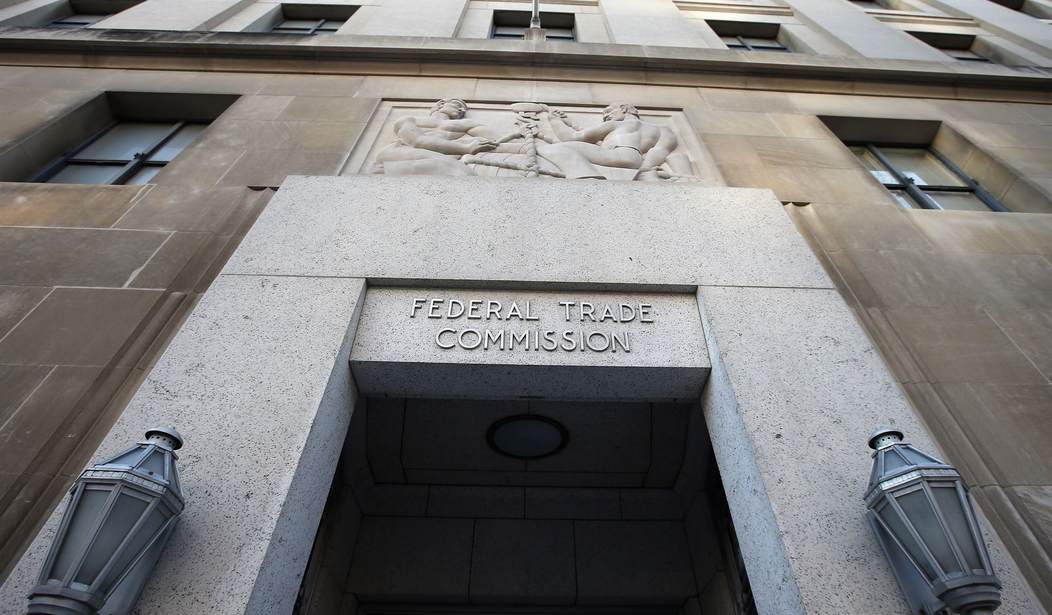
Advocare, a nutritional supplement manufacturer, announced they had been in talks with the Federal Trade Commission, the U.S. government agency that defends consumers from fraud and deceitful practices. In Advocare’s statement, they indicated they were restructuring their business model to move from sales that reward downline compensation, or compensation from sales of recruited salespeople, to a direct sales model that rewards only an immediate sale to a customer. It is expected Advocare’s distributors will seek other direct sales opportunities as the new business model will make it harder for Advocare’s distributors to build and maintain a sales organization.
Another company in the regulatory crosshairs was LuLaRoe. That company is a direct selling company that sells women’s clothes at modest prices but requires high inventory purchases on behalf of the distributor. LulaRoe is facing legal action from Washington State’s Attorney General claiming the company operates as a pyramid scheme. The company requires high inventory purchases necessary to produce sales at home sales parties where distributors pressure their friends and family to purchase clothing.
Expensive inventory requirements for clothing, jewelry, household appliances, and makeup are typically under the scrutiny of enforcement authorities. According to a consumer protection attorney, “the industry needs to choose a path, direct selling companies either need to change their business model or face increased scrutiny from federal and state law enforcement.”
One such company that has heeded regulators’ calls is Herbalife Nutrition.
Industry observers have indicated the new standard was set by the Federal Trade Commission when Herbalife Nutrition, a direct selling company that sells meal replacement shakes and supplements for decades, negotiated a modification to their business practices to meet the FTC’s standards, raising the bar on the rest of the industry.
But the industry hasn’t responded as expected, resisting efforts to increase standards across the board and the FTC is taking note. Advocare is one such case and word on the street is there could be more.
The FTC’s recent pronouncements and Advocare’s recent actions should put all direct selling companies on notice. And while the industry has shown in the past that it can evolve to meet the demands of consumers and government agencies that seek to protect consumers, the time for action is now.








Join the conversation as a VIP Member