







Over the past year, policymakers – including Congress, the Federal Trade Commission, State governments, and even the Attorney General of the District of Columbia – have criticized big tech’s business practices, alleging that some big tech companies, like Facebook, Google, Apple, and Amazon give preference to their own bundle of services and features over other companies. These allegations have led to a number of legislative proposals and lawsuits claiming that self-preferencing amounts to a violation of America’s antitrust laws.
As policymakers look to limit the bundling of online services, they are considering remedies like divestiture and structural separation of big tech’s lines of business – essentially, breaking up big tech and selling their businesses into smaller parts. However, restricting the joint production of online services increases the likelihood that these tech firms would lose economies of scale and scope, which means that per unit costs would increase and potentially drive-up consumer prices. If that occurs, consumers will be the big loser.
Policymakers should also not assume that big is always bad. The test that regulators must consider is whether consumers might be made worse off when firms are broken up into smaller parts. In economics lingo – it is not market concentration that matters, but market conduct and performance.
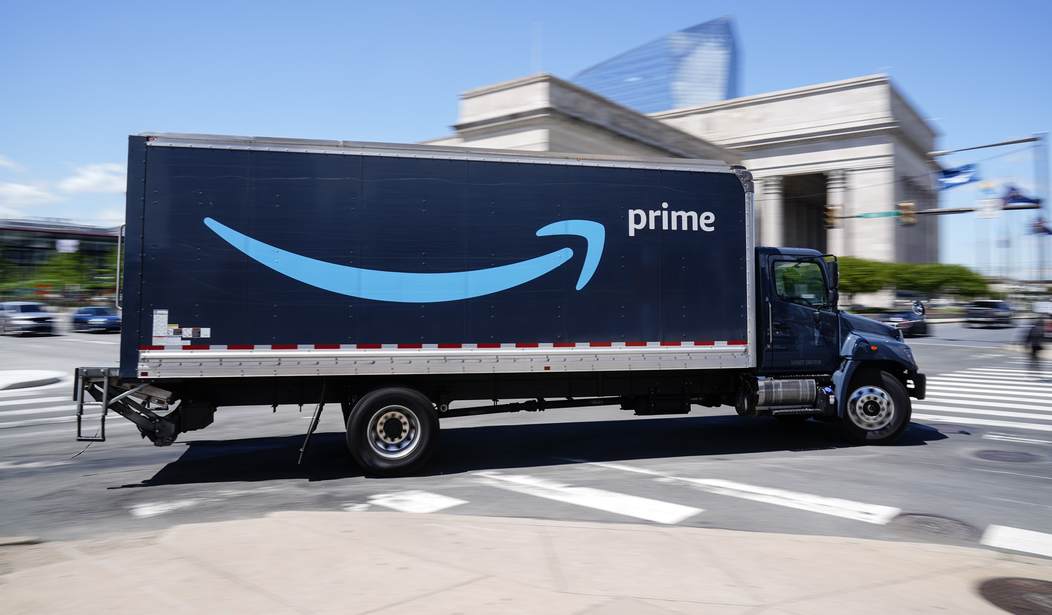
What are the potential benefits and costs to consumers for its bundled services? To understand what is at stake, consider Amazon Prime, an online service with bundled features and a focus of some regulatory scrutiny.
Prime customers consist of 65% of all of Amazon’s members and they usually get free delivery for their online purchases. Because Amazon Prime members have a much higher frequency of purchases, by my estimate, these members account for roughly 91% of Amazon’s U.S. orders, which means that most of Amazon’s packages are delivered for free.
To quantify this benefit, one retail expert estimated that Amazon delivered 46% of its order by itself – accounting for just under 3 million packages on its own – leaving 54% of its packages delivered by others, like the postal service. This means that roughly 5.9 billion packages are delivered to Prime customers each year. At a $3.70 delivery cost per package, Amazon’s total cost of delivery to its Prime members equals roughly $22.0 billion.
Since delivery is generally free, this figure represents a savings to Prime members. However, Amazon Prime members pay $119 annually for the service, and given that there are about 147 million Amazon Prime members in the U.S., these consumers pay $17.5 billion for the service, which leaves a net savings of $4.5 billion to consumers, based on the difference between delivery savings minus subscription fees.
In addition, consider another service available on Amazon Prime – Prime Video with about 147 million customers. If we consider that many video streaming services are available for around $12.99 per month, the total benefit to consumers is another $22.9 billion. Therefore, bundling free delivery with free video means that Amazon’s Prime members get a net savings of $27.4 billion.
However, the total savings is even greater when considering the many other bundled features being offered to Prime members, such as the availability of lower priced products and greater online choice. Furthermore, Prime offers other features and benefits, including its Kindle library, prime music, prime photos, sharing services and other services, which should also provide additional benefits to its consumers.
These are rough estimates but demonstrate the benefits of bundling to consumers, whether that is through Facebook, Google, Amazon, or other online platforms. These estimates also show the benefits that consumers could potentially lose if regulators decide that divestiture and structurally separation are reasonable antitrust remedies.
Simply assuming that bunding is bad is simply erroneous. Unless policymakers and regulators are willing to measure the economic costs and benefits that these restrictive actions would impose on consumer welfare, they should refrain from antitrust actions that would prevent online sales platforms from bundling their services. Simply put, consumers should not be made worse off by these remedies.
Steve Pociask is president CEO of the American Consumer Institute, a nonprofit education and research organization. For more information about the Institute, visit www.TheAmericanConsumer.Org or follow us on Twitter @ConsumerPal.


Join the Conversation
VIP members get the ability to comment on articles.