




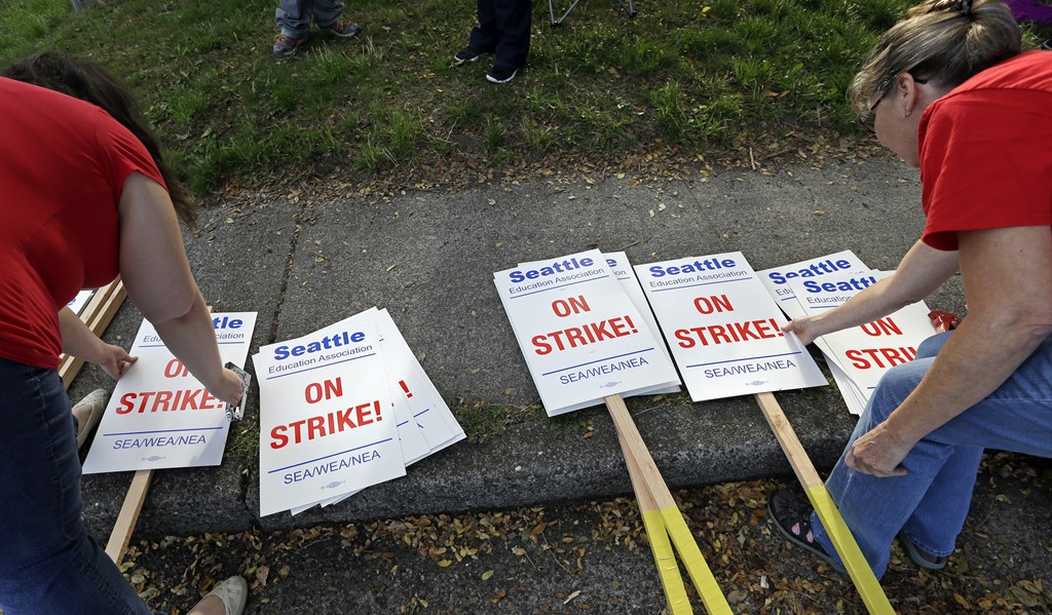
Their signs may have read “united for students” but little about the recent teachers’ strikes in Chicago and Detroit public schools actually benefited the city’s children. That’s because teachers in both cities have staged “sickouts,” forcing schools to close and sending roughly 450,000 students into the streets of two of America’s most dangerous cities.
At the helm of these protests are unions that use collective bargaining disputes to call on teachers to leave the classroom and block traffic during rush hour. These strikes are just the latest example of how unions can manipulate workers and taxpayers to advance their own financial and political interests.
For too long, unions have held the power to use their employees as bargaining chips. In the public sector, this takes place at taxpayers’ expense as unions negotiate for taxpayer dollars with politicians they helped elect. Worse, in 24 states, thousands of workers are forced to pay a union as a condition of employment, and in many states workers are subject to automatic deductions from their paychecks to cover union dues.
But what about employees that want to save their whole paycheck and opt out of union membership and union political advocacy?
Twenty-six states have addressed these concerns by passing right-to-work legislation, which protects workers’ rights by making all union dues and fees completely voluntary. Still, even in these states, all employees in unionized workplaces are subjected to the collective bargaining agreement negotiated by the union. Even if a worker feels that he or she stands out above others in the workplace and seeks to negotiate his or her own contract, the worker is forbidden from doing so in a union shop. Unions object and call these workers “free riders,” when in reality they are forced riders.
Recommended
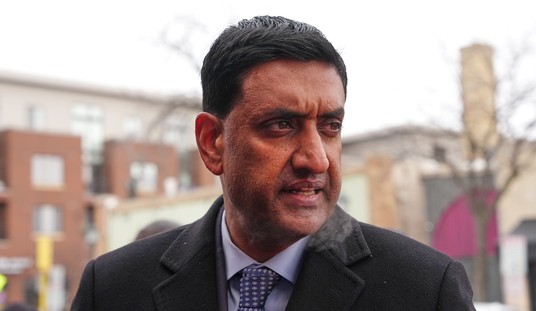
Thankfully, at the federal level members of Congress in both chambers are championing legislation that would return power back into the hands of individual workers. Sponsored by Senator Orrin Hatch (R-UT) in the Senate and Representative Tom Price (R-GA) in the House, the Employee Rights Act (ERA) would enact several important worker freedom protections. One of the most significant changes is requiring periodic recertification votes within union members.
Importantly, under the Employee Rights Act, recertification votes would be held through secret ballot, which is an important protection for worker privacy. The election would require a majority of all employees in the bargaining unit to recertify the union, in order to ensure that it is truly a representative organization. If less than 50 percent of all affected workers vote to keep the union, then it would be removed from the workplace.
This change could save taxpayers billions of dollars. A recent Heritage Foundation report highlights that taxpayers would overwhelmingly benefit if collective bargaining were eliminated in the public sector. In 2014 alone, Illinois could have saved its taxpayers as much as $8.8 billion.
Undoubtedly, there are workers in unionized jobs today that object to the unions’ costly and restrictive collective bargaining agreements. Unfortunately, for many, union representation has been inherited from previous generations, leaving true representation to be desired for current workers. The Employee Rights Act allows workers to hold unions accountable through the democratic process.
In addition to collective bargaining, a second important change in the Employee Rights Act is a provision barring unions from political spending without employee permission.
It’s no secret that unions give generously to political campaigns and causes that support their agenda. But often, workers in the union do not agree with the union’s political advocacy. Take, for example, the United Mine Workers of America (UMWA). In a 2008 interview with the San Francisco Chronicle editorial board, then-Sen. Barack Obama forewarned that his “cap-and-trade” plan would harm the traditional energy industry. Still, the UMWA – which represented 105,000 active members at the time – chose to endorse Obama. UMWA’s PAC spent 99% of its almost $400,000 on Democrat candidates in the 2008 election cycle, and said its endorsement was “unanimous,” despite the fact that President Obama lost badly to Hillary Clinton in Kentucky and West Virginia, two coal producing states whose membership makes up a large part of UMWA.
Clearly, many miners were opposed to Obama’s war on affordable energy from the start and would have objected to supporting his candidacy. Fortunately, for both politically active and non-political workers, the Employee Rights Act would give them the right to choose whether or not to participate in the political process by requiring unions to receive “opt-in” permission from its workers before using their dues to fund politics.
The Employee Rights Act would take these and several other important steps to restore power back to workers. Because they would finally be held accountable, union opposition to the Employee Rights Act shouldn’t come as a surprise – but neither should union representation. Congress should consider this important legislation.



Join the conversation as a VIP Member