



"In our hyper-partisan age, it's very hard anymore to get these crossover votes, for Supreme Court nominees especially," @mschlapp says. pic.twitter.com/OZ98mUshBi
— PBS NewsHour (@NewsHour) April 5, 2017
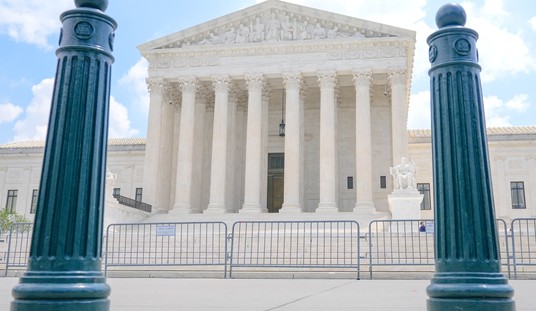
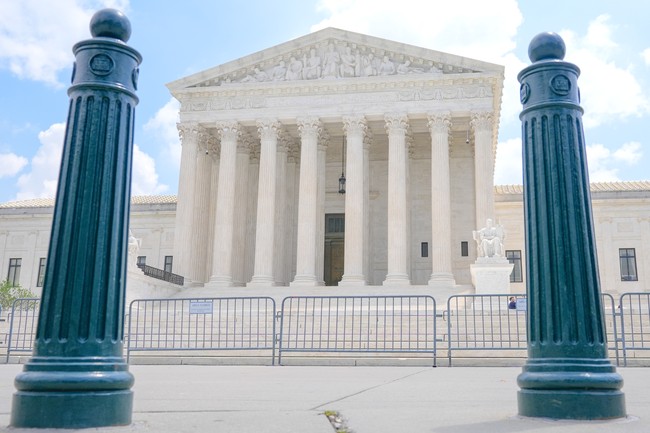
In other words, Schlapp is saying the court has shifted away from interpreting law to trying to make law. By getting involved in every controversial political issue that arises, the court has stepped away from interpreting our Constitution to using their interpretations as a means of addressing political debates.
Instead of focusing solely on our Constitution, the Supreme Court has made themselves part of the political dialogue, which our founders never intended. This shift in focus has our Congressmen and women looking for judicial activists instead of those who practice judicial restraint.
"The great danger of having a politicized Supreme Court is that the court can very quickly, and in a much less complicated way, make a determination on a controversial issue that it thinks will resolve political conflict. However, someone who achieves great success in legal circles does not always have great political acumen," Schlapp tells Townhall exclusively. "The founders understood this, and it's why they encouraged the judiciary to stick to its lane of interpreting laws in a humble way while assiduously avoiding political questions. The best example of this is the overwhelming support for Roe v. Wade in 1973, which overturned every law on abortion on the books. Fifty years later, the Roe v. Wade decision has contributed to greater political divisions over the sensitive topic of life in the womb."








Join the conversation as a VIP Member