







In Oregon, if you witness someone being assaulted and want to record the incident when you intervene, you may freely (and, hopefully, quickly) activate the recording device on your smartphone, pocket it, and document your efforts. But suppose, instead, that you came upon the scene of the crime just after it happened. If you hit “record,” conceal your phone and catch the assailant confessing to what he’s just done, you yourself have committed a misdemeanor for secretly recording.
That is just part of the maze that is Oregon’s recording law. It regulates not only eavesdropping, or snooping in on the conversations of others, but recording your own conversations secretly and even recording them openly. That’s right: in most circumstances, if you openly and obviously record someone with a video camera or other device without specifically informing him that you’re doing so, you are risking the same misdemeanor conviction.
This is not only absurd, it’s unconstitutional. The First Amendment does not just protect your ability to speak freely, but your ability to document what you see and hear, including with audio recording.
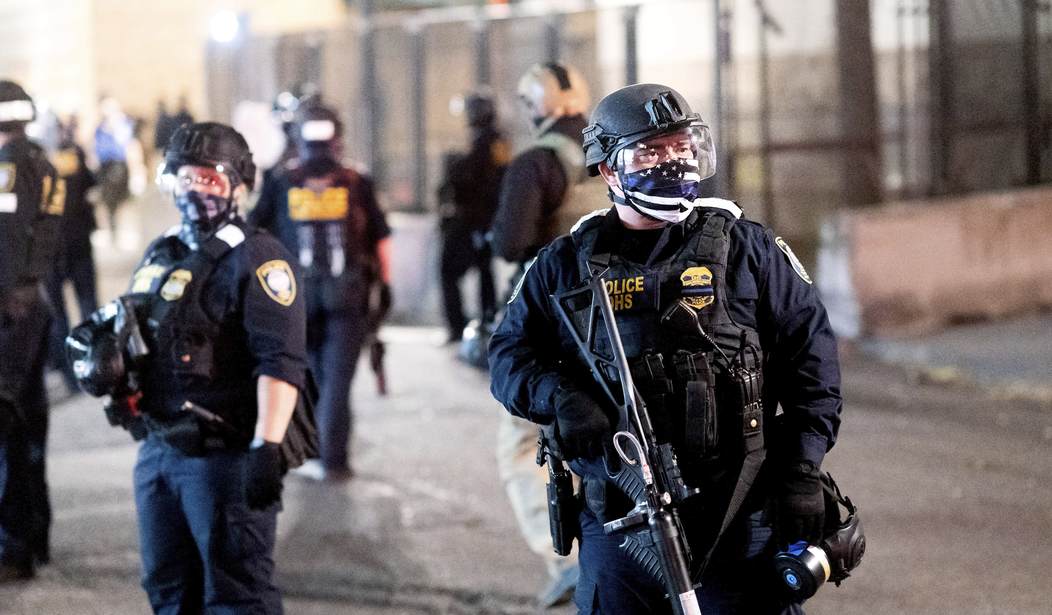
Oregon’s recording law seriously censors journalism. Consider the hazards to covering the events in Portland in the last few months, where thousands of protesters have clashed with federal and local law enforcement every night. A lot of this has been recorded, and perhaps legally – one of the law’s exceptions allows openly recording “rallies” – but one-on-one conversations amidst the protestors? Secretly recording an interaction is illegal, open recording alone is probably illegal, and specifically informing plenty of the protestors of recording is a good way to get hurt, or perhaps killed.
This is not speculation: journalists from print media have been attacked at the Portland protests just for being there. Project Veritas, as America’s premier investigative journalism organization, intends to investigate the protests and other happenings in Oregon in the safest way possible—that is, by going undercover. But its journalists cannot simply pose as protestors and then openly record or announce the recording: obviously, that defeats the entire concept of “undercover.” Oregon must amend its law to permit a secret recording of one’s own conversations in most circumstances: free speech should be the rule, not the exception. But time is of the essence, and new legislation can’t come quickly enough, so this week Project Veritas filed a federal lawsuit in Portland to stop the enforcement of the current law.
Undercover journalism and secret recording bother some people, especially those whose candid words are truthfully captured and published, free from the window dressing put on statements that are, as mainstream journalists say, “on the record.” That’s no reason to outlaw it. And the importance of fixing the law goes far beyond Project Veritas: earlier this year, news reports about attempts to organize a union at the Columbia Sportswear Company in Portland included quotes taken from recordings made by workers of management at meetings discouraging unionization. These recordings should not put the workers at risk of misdemeanor charges.
The law should protect citizens from eavesdropping. Indeed, another Oregon law that is not subject to Project Veritas’s lawsuit does just that. But other recording laws must recognize that another’s right to privacy does not include preventing you from accurately recording what you’re told. The Constitution demands no less.
Stephen Klein is a partner with the law firm Barr & Klein PLLC in Washington, DC, and counsel to Project Veritas.



Join the Conversation
VIP members get the ability to comment on articles.