





Editor's note: This piece was co-authored by Kentucky State Rep. Jacob Justice.
Right now, a storm is brewing over America’s power grid. Everything we use in our daily lives - from our smartphones to our household appliances to the cars we drive - is consuming more and more electricity, yet our nation’s supply of abundant and reliable energy is dwindling. In just a few years, blackouts and brownouts could become an increasingly common and exceptionally disruptive occurrence as we try to power our homes or run our businesses. However, this darker future can be avoided if our lawmakers step up to ensure the power grid remains resilient.
In a recent congressional hearing, the House Energy and Commerce Committee (E&C) Subcommittee on Energy, Climate, and Grid Reliability hosted top energy sector leaders to discuss the factors impacting grid reliability and the available solutions to prevent disaster. One of the key takeaways from these industry leaders was that government policies at the state and federal level are shutting down long-standing sources of energy, namely coal, faster than newer technologies can adequately replace them.
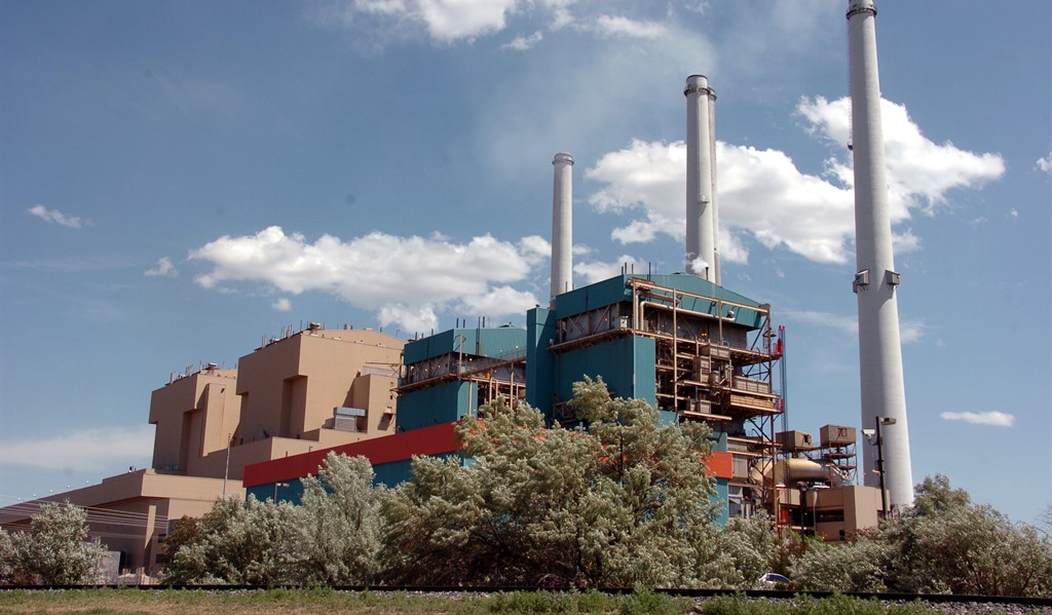
They are absolutely right. According to the Institute for Energy Economics and Financial Analysis, roughly half of the coal-powered energy facilities operating in 2011 will be closed by 2026, and roughly 40% of the facilities operating today will be closed by the end of this decade. This ultimately amounts to a significant loss of energy output that Americans need to power their lives.
Environmental activists in the Biden administration and state governments will say that Americans have nothing to fear from the elimination of coal power because renewable energy resources like wind and solar are coming online to replace them. While it’s true that America has stepped up production of renewable energy, the pace of renewable energy growth lags far behind the pace that coal plants are shuttering.
In the House E&C hearing, Frederick Bresler from PJM, one of the nation’s largest energy transmission organizations, noted that the “rate of retirements of fossil fuel resources largely due to state and federal policies is clearly outpacing construction of new renewable resources.” Given that demand for energy is expected to rise as much as 15% in the next several decades, the deep imbalances between coal plant closures and renewable energy production will ultimately strain our power grid to the breaking point - and leave many Americans in the dark.
Even if America could boost renewable energy production enough to be on pace with coal plant closures, there are still significant doubts that a renewable-powered energy grid would be as reliable as we’ve come to expect. Nor do experts anticipate they will be as cost-efficient for consumers. At the E&C hearing, Richard Dewey, President and CEO of New York ISO, which transmits power to millions of New Yorkers, said “It is not possible to run a reliable electric system on just wind and solar.” Unlike coal, these resources are largely dependent on weather, and coupled with the fact that most power lines are not equipped to transmit energy from renewable sources, it is simply impossible for renewable energy to fully meet our growing demand in so short a period.
As it stands, America is headed for an energy crisis where Americans will find themselves without reliable power more frequently and facing skyrocketing utility bills - but it doesn’t have to be that way. Our lawmakers at the federal and state levels should realize that energy production isn’t a zero-sum game; we must maintain a robust and durable coal fleet while continuing to invest in renewable energy technology to make our grid even stronger.
Americans rely on energy to live their daily lives, and only a mix of traditional sources like coal and new resources can meet their demand. Let’s make sure we give Americans a power grid they can truly rely on.
Jacob Justice (R-KY) represents district 94 in the Kentucky House of Representatives.
Adam Bowling (R-KY) represents district 87 in the Kentucky House of Representatives.


Join the Conversation
VIP members get the ability to comment on articles.