





Over the past two decades, the health insurance industry has undergone significant changes, with a handful of major insurers now dominating the market. In fact, the six largest insurers in the United States earned more than $1 trillion in revenue in 2023, a significant milestone that underscores the magnitude of the problem.
While proponents argue that such a structure offers efficiencies and cost savings, the reality with regards to the health insurance industry is that it has created an imbalance in the healthcare marketplace. In fact, a new study recently found that the largest health systems have, on average, a combined 43.1% of the market share, while the top three large-group insurers hold an average of 82.2% of the market share in each state. This has proven detrimental to patients and has created an unsustainable situation that negatively impacts reimbursement rates and threatens the survival of rural hospitals across the United States.
For patients, health insurance consolidation has resulted in higher premiums and out-of-pocket costs. A 2019 Commonwealth Fund study found that in areas with less competitive insurance markets, premiums tend to be higher than in areas with more choices. My home state of Pennsylvania is no exception, where the two insurers largest insurers now controlling over 60% of the state’s large group insurance market. At the same time, insurers have reduced coverages by narrowing provider networks and increasing deductibles, leaving patients to shoulder more of the cost burden.
Rural hospitals, which provide vital services to 60 million Americans, have also been hit especially hard. Many already maintain razor-thin margins, with over a third forced to operate at a loss in recent years. In fact, since 2010, 148 rural hospitals have closed, and nearly 340% of remaining rural hospitals are at risk of closure. Now, due to their lack of negotiating leverage with dominant insurers, rural hospitals are increasingly being confronted with take-it-or-leave-it reimbursement rates that in some instances fail to cover even the cost of providing care. If current trends continue, many more rural hospitals will be forced to dramatically scale back services or close altogether, leaving millions without access to essential care.
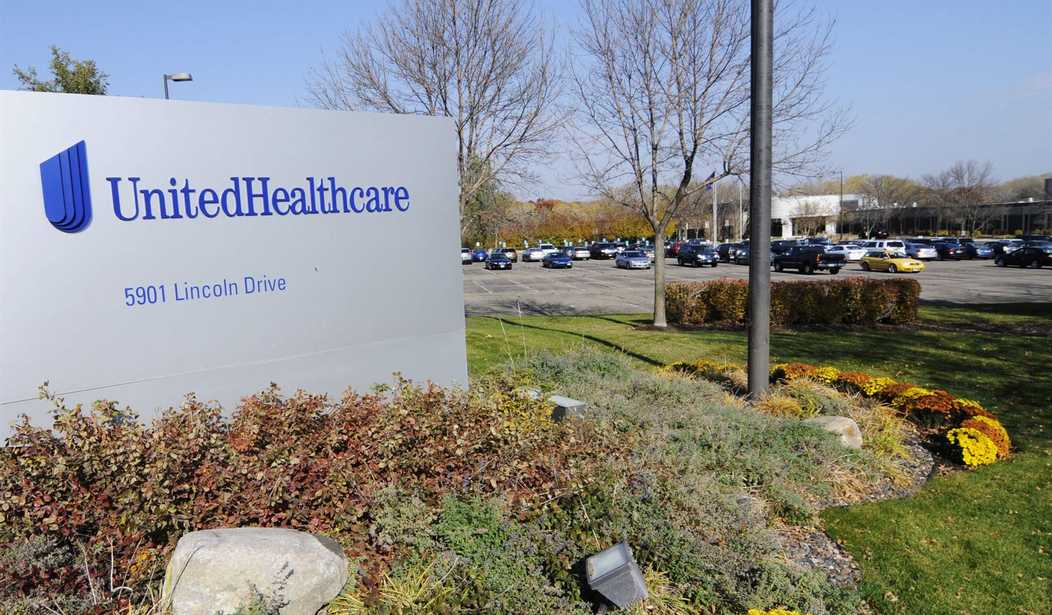
Exacerbating these issues is the fact that some insurance companies have undertaken a number of vertical acquisitions in recent years to further consolidate their pricing power. In addition to providing coverage for medical expenses some insurers, such as UnitedHealth, now control physician practices, surgery centers, pharmacy benefit managers, and crucially payment processing services. This has garnered the attention of both officials at the Department of Justice (DOJ) who are concerned how such overlapping interests affect competition, and due to a recent major cyberattack, earned the ire of some officials on Capitol Hill as well.
Specifically, UnitedHealth’s Change Health unit – which was acquired by the company over DOJ objections in 2022 – was recently the victim of what has been dubbed by some to be “the most significant cyberattack on the U.S. health care system in American history.” The service disruptions that followed caused significant financial hardships for thousands of providers and were recently the subject of Congressional hearings. Such incidents show the potential hazards that exist beyond just distorted market dynamics of placing so many services under a singular company or potential point of failure.
Against such a backdrop it is clear that the time has come for industry and policymakers to come together and find solutions for these challenges. Ideally, insurers should work to foster more competition in their industry, as well as work collaboratively with rural providers to develop sustainable payment models for care delivery. But if the market cannot self-correct, solving this crisis may require a concerted effort from policymakers and regulators as well. As such, it is important they exercise their important oversight roles and closely scrutinize any deals that would further disadvantage patients and providers with regards to the coverages and reimbursements provided by insurers.
The stakes could not be higher. Rural Americans deserve access to quality, affordable healthcare in their own communities and if we fail to act, the consequences will be measured not just in dollars and cents, but in lives lost and communities left behind. Americans deserve better and it’s time we work to create a healthcare system that works for everyone, no matter where they live.
Michael Puskaric is a former member of the Pennsylvania House of Representatives. During his time in office, he served on the Insurance Committee.



Join the Conversation
VIP members get the ability to comment on articles.