





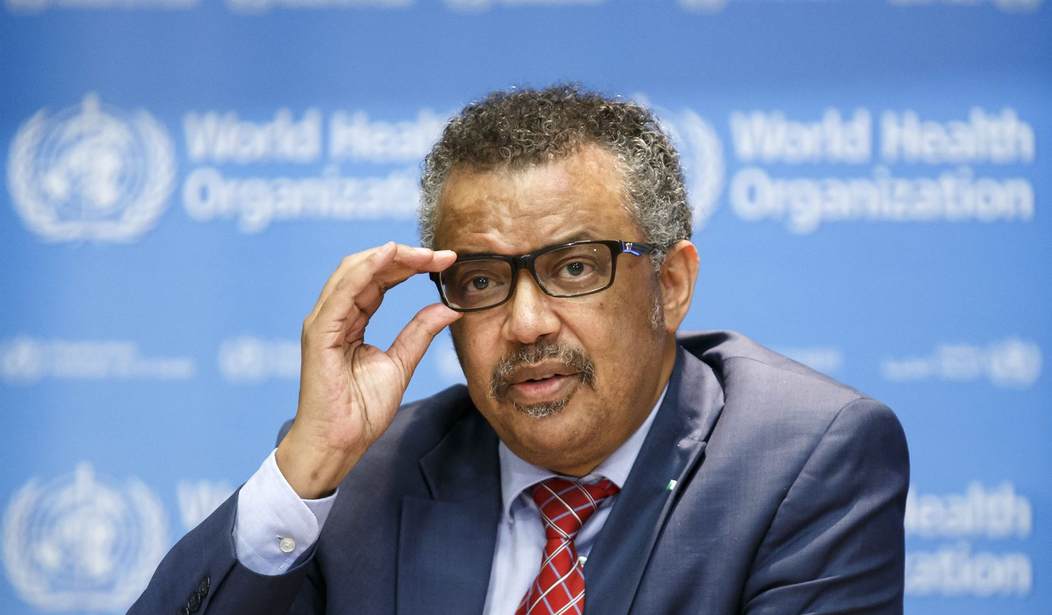
In one of his first executive orders, President Donald Trump directed new Secretary of State Marco Rubio to formally withdraw the United States from the World Health Organization (WHO). The decision, citing the WHO’s handling of the COVID-19 pandemic and the disproportionate financial burden placed on the U.S., marks a bold move with significant implications for American consumers. Many have felt the impact of the WHO’s “nanny state” recommendations, particularly in areas like alcohol, tobacco, and vaping products—policies often enacted at the expense of national sovereignty and interests.
If Trump is committed to protecting American consumers and promoting public health, his administration must address similar nanny state tendencies in U.S. agencies, such as the Surgeon General’s Office, the Centers for Disease Control and Prevention (CDC), and the Food and Drug Administration (FDA).For far too long, the WHO has been recommending to countries to ban certain substances.
For nearly two decades, the WHO has been at war with the tobacco industry, pushing forward draconian policies through its 2005 Framework Convention on Tobacco Control (FCTC) treaty – signed by 183 countries. Originally aimed at reducing smoking and the associated health risks of combustible tobacco, the treaty has evolved into a tool for suppressing perceived threats, including companies offering safer alternatives to smoking.
The WHO has consistently failed to acknowledge the potential of tobacco harm reduction. In 2019, the FCTC Secretariat declared vapes as a “treacherous … public health disaster.” In December 2023, the WHO declared that “urgent action [was] needed to protect children and prevent the uptake of e-cigarettes,” falsely claiming there was no evidence that e-cigarettes are effective for quitting smoking. The organization even asserted that nicotine-containing e-cigarettes “are highly addictive and harmful to health.” By summer 2024, the WHO had doubled down – claiming that vapes were “designed to kill” on social media platforms – a statement promptly countered by community notes providing factual corrections.
Tobacco, however, is not the only target of the WHO’s restrictive policies. In 2015, the WHO issued guideline recommendations urging adults and youth to reduce their daily intake of free sugars, such as glucose and fructose. The organization urged countries to implement “other public health interventions to reduce free sugars intake,” including nutritional labeling requirements, “restricting marketing to children,” and “fiscal policies targeting foods and beverages high in free sugars.” By 2022, the WHO released its “first-ever global tax manual for sugar-sweetened beverages,” urging countries to apply sin taxes to beverages such as “soft drinks, [flavored] milks, energy drinks, vitamin waters, fruit juices, and sweetened teas.”
Similarly, in 2023, the WHO issued a report advocating for sodium reduction, urging governments to reformulate foods and establish policies to limit salt intake in certain institutions including schools, hospitals, and public workplaces. Yet, the nanny state organization still pointed that out that countries should implement “mandatory sodium reduction policies.” Additionally, in 2022, the organization declared “there is no safe amount” of alcohol consumption, reflecting an increasingly alarmist approach to adult consumer choices.
Unfortunately, these nanny state policies have also taken root in the U.S. In 2018, concerned with youth use of vapor products, the U.S. Surgeon General declared a “youth vaping epidemic” – language which continues to affect adult access to safer alternatives to cigarettes.. As recently as 2025, the Surgeon General issued a report on the risks of alcohol consumption and alcohol, calling for an “update on the … health warning of alcohol-containing beverages to now include cancer risk.” As of October 2024, several localities from cities in California and Colorado to Philadelphia have implemented taxes on sugar sweetened beverages.
While reducing harm from harmful substances is a worthwhile goal, many of these policies fail to account for individual differences. For instance, people with a family history of diabetes may be more affected by sugar intake than others without such predispositions. Furthermore, these policies often burden consumers rather than corporations, as costs associated with sin taxes and product reformulations are passed down to the public.
With the U.S. poised to leave the WHO once again and an administration promising to protect public health, now is the time to reform the domestic nanny state. For too long, unelected bureaucrats have restricted adult access to consumer goods that have been long enjoyed. It’s time for Trump to reverse course and champion policies that respect personal choice and accountability.
Martin Cullip is an independent harm-reduction consultant, based in south London, who has studied and written on the political and market implications of nicotine and tobacco policy for more than 15 years.


Join the Conversation
VIP members get the ability to comment on articles.