





For decades, the United States has lived with a quiet, persistent crisis. It doesn’t dominate headlines the way wars or elections do, but it touches nearly every family in some way. Mental health in this country has been deteriorating in plain sight, with rising rates of depression, addiction, and suicide, and with far too few meaningful breakthroughs to meet the moment.
Nowhere is that failure more evident than among those who have worn the uniform.
Veterans return home carrying burdens that most Americans will never fully understand. Post-traumatic stress, traumatic brain injuries, and the invisible weight of combat have taken a devastating toll. According to the U.S. Department of Veterans Affairs, an average of 17 veterans die by suicide every day. That number has become so familiar that it risks losing its impact. It shouldn’t.
For many of these men and women, the existing system has simply not worked. Years of therapy. Rotating prescriptions. Combinations of antidepressants and anti-anxiety medications that often blunt symptoms without restoring lives. Stress, not only for them, but also for their loved ones and family caregivers. In too many cases, the result is exhaustion rather than recovery.
That reality is driving a quiet but telling trend. Increasingly, American veterans are leaving the country in search of something better. In a CBS report, a group of U.S. veterans traveled to Mexico for a week-long psychedelic retreat after exhausting conventional treatments at home. They were not thrill-seekers. They were not looking for shortcuts. They were looking for relief after years of failed options.
Nearly a year later, most of those veterans described the experience as life-changing. Some reported that the suicidal thoughts that once dominated their lives had disappeared. That alone should stop policymakers in their tracks. When Americans who served their country feel compelled to leave it in order to find effective treatment, it is not just a healthcare issue. It is a policy failure.
The science behind what they are seeking is no longer fringe. Prescription psychedelic therapies, administered in controlled clinical settings, are showing results that are difficult to ignore. Compounds like psilocybin and MDMA are being studied as tools to enhance psychotherapy, helping patients process trauma in ways traditional methods often cannot.
In clinical environments, these treatments have produced striking outcomes. Significant portions of participants no longer meet the criteria for PTSD after treatment. Studies have shown rapid reductions in depression and anxiety, sometimes after only a handful of sessions. In one recent study, participants saw an 88 percent reduction in PTSD symptoms, alongside major improvements in depression and anxiety, without serious adverse effects. These are not simply incremental improvements. They point to a fundamentally different approach to treating mental illness.
What makes this moment different from past waves of interest is that the regulatory pathway already exists. The U.S. Food and Drug Administration has granted breakthrough therapy designation to several psychedelic treatments, acknowledging their potential to outperform existing options. Clinical trials are underway. Safety frameworks are being developed. This is no longer a theoretical conversation.
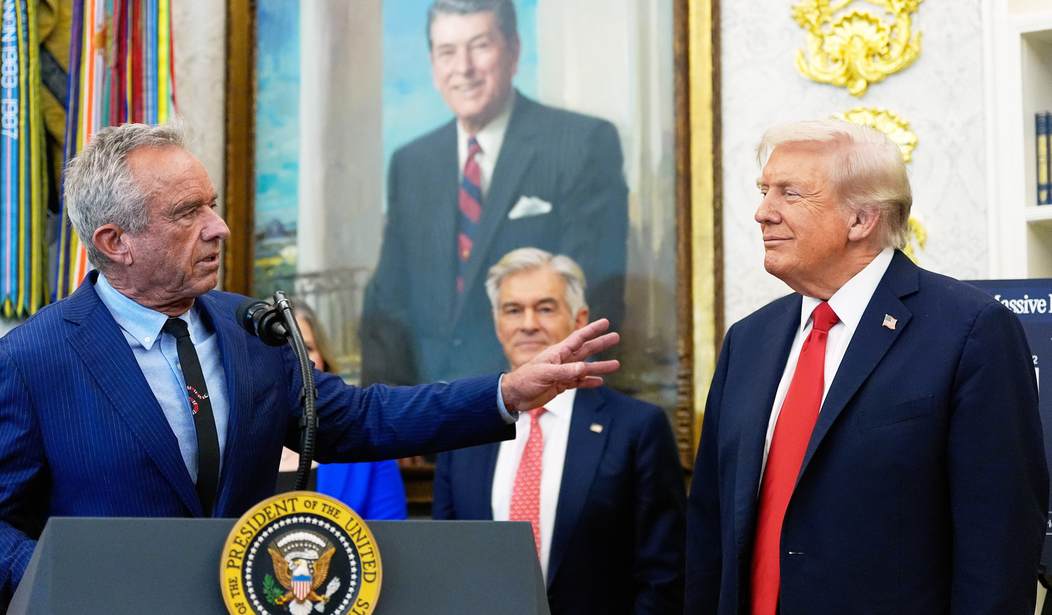
There is also growing recognition within the government. Health and Human Services Secretary Robert F. Kennedy Jr. is a believer in the promise of psychedelic-assisted therapies, noting their potential to address depression and trauma when brought through proper clinical channels. He told Congress last summer that, "This line of therapeutics has tremendous advantage if given in a clinical setting and we are working very hard to make sure that happens within 12 months."
President Donald Trump was elected on a promise to challenge entrenched systems and deliver results where others have stalled. Secretary Kennedy has made “Make America Healthy Again” a defining priority. Advancing safe, regulated access to prescription psychedelics fits squarely within that mission.
The alternative to this real and cutting-edge opportunity is to continue on the current path, where progress moves slowly while suffering remains constant. Even officials within the VA have acknowledged both the promise of these therapies and the concern that Americans are seeking them in unregulated environments instead of safe, clinical settings.
That gap should not exist. The United States has the research institutions, regulatory framework, and clinical expertise to lead in this space. What it needs now is urgency. The difference between a two-year timeline and a decade-long delay is measured in lives, particularly among veterans who are already at elevated risk.
This conversation is not limited to those who have served, though they deserve to be at the center of it. Millions of Americans struggle with treatment-resistant depression, substance use disorders, and severe anxiety. Many have cycled through existing treatments without meaningful improvement. They are watching closely as new options emerge.
There is also a broader reality that cannot be ignored. As global tensions rise and the possibility of larger-scale conflict looms, the number of Americans exposed to trauma may grow. Preparing for that future means investing now in therapies that can meet the needs of the next generation of service members.
None of this suggests abandoning caution. These treatments must be rigorously tested, carefully regulated, and administered in controlled settings. They are not a universal solution, and they are not without risk. But the evidence supporting their potential is too strong to dismiss, and the need for better outcomes is too urgent to delay.
For decades, the country has searched for answers to a mental health crisis that has only deepened with time. Now, there is a path forward that offers something different—something that has already changed lives.
The question is whether American leadership will bring that solution home. President Trump and Secretary Kennedy have the opportunity to do exactly that. By accelerating the development and approval of prescription psychedelic therapies within the existing FDA framework, they can help ensure that Americans no longer have to leave the country in search of relief.
For veterans who have carried the cost of war, and for millions of others still struggling in silence, that decision would not just mark progress. It would mark a turning point with real potential to save lives and improve the quality of life of thousands of individuals.
Julio Rivera is a business and political strategist, cybersecurity researcher, founder of ItFunk.org and ReactionaryTimes.com, and a political commentator and columnist. His writing, which is focused on cybersecurity and politics, is regularly published by many of the largest news organizations in the world.
Editor’s Note: Do you enjoy Townhall’s conservative reporting that takes on the radical Left and woke media? Support our work so that we can continue to bring you the truth.
Join Townhall VIP and use promo code FIGHT to receive 60% off your membership.



Join the Conversation
VIP members get the ability to comment on articles.