




Katie Abraham was 20 when she was killed on January 19, 2025, in Sanctuary Urbana, Illinois. Her death changed my life forever and sharpened a question beyond the person responsible for the crash: When government decisions affect public safety, who holds officials accountable when their policies or failures create foreseeable risks?
Government officials need legal protections to perform their duties. Judges must make difficult decisions, legislators need room to deliberate, and executive officials must be able to govern without constant fear of personal lawsuits. But immunity is not one universal protection. Different legal standards apply to different officials and functions. Protecting legitimate judgment is one thing. Preventing serious failures from being examined is another.
The familiar response to government failure is that voters can remove those responsible. Elections are essential, but their effectiveness depends on whether political power can meaningfully be challenged.
Illinois offers reason for concern. In 2024, 88 percent of judicial and state legislative primaries featured either a single candidate or no candidate at all, according to Capitol News Illinois. More than $1 billion moved among Illinois political organizations between November 2022 and October 2024 through contributions, loans, and transfers.
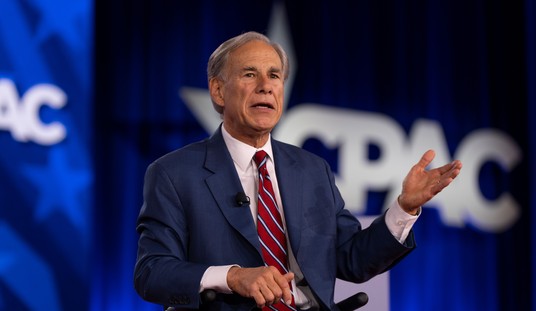
Consider the extraordinary financial power of Illinois’ multibillionaire governor, who has contributed approximately $439 million to his own campaigns since 2018 while supporting other candidates and political organizations. Such concentrated wealth raises questions about political competition and the ability of challengers to compete. Elections matter, but they cannot be the only mechanism for accountability.
Illinois law reveals a deeper problem.
Section 2-201 of the Local Governmental and Governmental Employees Tort Immunity Act shields qualifying public employees from liability for injuries resulting from discretionary policy determinations, even “though abused.” Illinois courts have interpreted this protection to extend even to claims of willful and wanton misconduct when statutory requirements are met.
Consider the imbalance. A public employee carrying out a policy may face a different liability standard for willful and wanton conduct, while the official responsible for a protected policy determination may remain immune. The distinction between implementing a decision and making it can determine whether civil accountability is possible.
The legislature should confront this imbalance. Section 2-201 should be amended to remove “even though abused” and establish a clearly defined exception when an official willfully and wantonly disregards documented, serious risks. Good-faith policy judgments and honest mistakes should remain protected. Immunity should not automatically foreclose accountability when conduct crosses a carefully defined legal threshold.
The issue is not whether every failed policy should expose its authors to lawsuits. It is whether the public should bear the consequences of seriously abused policy decisions while those responsible remain shielded from civil liability. The system risks protecting the decision-maker while leaving others to bear the consequences.
Accountability must also examine what officials do after the evidence changes. A policy that was reasonable when adopted does not justify maintaining the same course indefinitely if credible evidence later demonstrates serious adverse effects. Officials should have a defined obligation to reassess the evidence, explain their decisions, and correct course when warranted. When documented risks are ignored or reasonable corrective measures are rejected without justification, independent scrutiny should follow.
This principle extends beyond individual cases. What we see today is, in part, the downstream consequence of upstream policy decisions. When officials prioritize ideology over outcomes and fail to correct course, they help create the conditions that make a corrective response necessary.
Illinois should apply this accountability principle to policies affecting criminal justice and immigration enforcement, including the SAFE-T Act and sanctuary policies. What evidence demonstrates their effects on public safety? What risks were foreseeable? Were safeguards adequate? When credible concerns emerged, were they investigated and addressed?
These questions do not presume that every policy increases danger or caused a particular crime. They demand evidence rather than assurances. Evidence of harm should trigger investigation, not automatic personal liability. But where evidence establishes knowing disregard of serious risks, violation of a clearly defined legal duty, or serious misconduct, an independent process should determine whether disciplinary or legal consequences are warranted under applicable law.
The same expectation should apply to governors, legislators, judges, and federal executive officials, while recognizing that their duties and legal protections differ. Public authority must not become freedom from scrutiny.
Illinois needs independent reviews when credible evidence indicates significant public-safety risks, transparent measurement of policy outcomes, a defined obligation to reassess and correct course, and clear standards for serious misconduct. Immunity reform should preserve legitimate discretion while restoring accountability where the law provides overly broad protection.
At its core, this is a question of the social contract. Citizens are expected to obey the law and accept government authority. In return, they have a legitimate expectation that officials will exercise power responsibly, take foreseeable risks seriously, and answer for serious failures under clearly defined standards. When accountability mechanisms prove inadequate, public trust erodes.
Katie cannot be brought back by a change in the law. But her death reinforces a question Illinois and the nation should not avoid: Who answers when government fails the people it is entrusted to protect?
Elections are essential, but they are not enough. Oversight must be meaningful, evidence must matter, and serious failures must have consequences when established standards are violated.
Immunity should protect the responsible exercise of public authority, not end the inquiry into whether that authority was exercised responsibly.
Editor’s Note: We voted for mass deportations, not mass amnesty. Help us continue to fight back against those trying to go against the will of the American people.
Join Townhall VIP and use promo code FIGHT to receive 60% off your membership.
Join the Conversation
VIP members get the ability to comment on articles.