





The ridesharing industry offers a flexible service that millions of Americans use every day. It’s a convenient, inclusive, cost-efficient, and safe system for both users and drivers. But it’s also on the verge of being burdened with government regulations and unintended consequences that could hinder rideshare companies' ability to operate effectively.
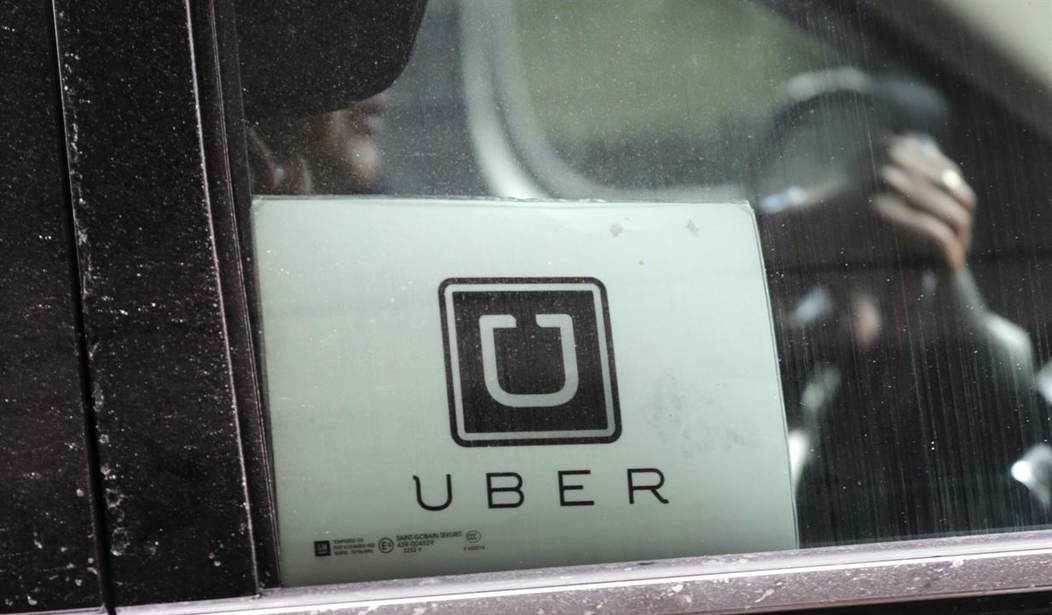
Proposed rideshare legislation, which is currently making its way through the U.S. House of Representatives, will create new regulations that require drivers and users to do the heavy lifting. The bill would mandate drivers to identify their vehicles using several markers, including two placards with their name, picture, and license plate number on both back windows, and two decals that identify the rideshare on the front and rear window. In addition, the driver would need to place two barcodes on each of the back windows that users will need to scan to confirm their car.
Don't get me wrong – this bill was crafted with the best of intentions aimed at improving the safety of individuals who choose ridesharing as their mode of transportation. And it’s easy to see why Congress is acting on this. Earlier this year in North Carolina, a tragic situation involving a college student who accidentally got into the wrong car she ordered on her rideshare app caused a man posing as her driver to kidnap and kill her.
While this horrific incident that many rideshare users took to heart is an outlier, it’s not difficult to understand why Congress wants to take action to prevent another situation like this from happening again. However, it’s important to take into account all individuals when creating a new law that is intended for the safety of every user.
For example, ridesharing apps currently have built-in accessibilities features that allow users of all abilities to order a car through the app. One of these features is a voiceover compatibility that helps visually impaired and blind individuals use the service.
The new regulations listed in the House bill clearly will affect the visually impaired, and it has already caused the National Federation of the Blind (NFB) to be concerned. NFB is worried that the proposed regulations in the bill would make it more difficult for a blind person to locate the decals that users must scan on the back windows of the car, especially if it’s on a busy street. This has the potential to put visually impaired and blind users in harm’s way. That’s why the organization relayed their apprehension in a letter to the members of Congress who introduced the bill.
Members of Congress, like Rep. John Katko (R-NY), Rep. Bob Latta (R-OH), Rep. Rodney Davis (R-IL), and Rep. Brett Guthrie (R-KY), who all have a deciding voice on House committees that this regulation may pass through, should weigh all the facts and only pass legislation if it serves its intended purpose and takes all folks with different abilities into consideration.



Join the Conversation
VIP members get the ability to comment on articles.