


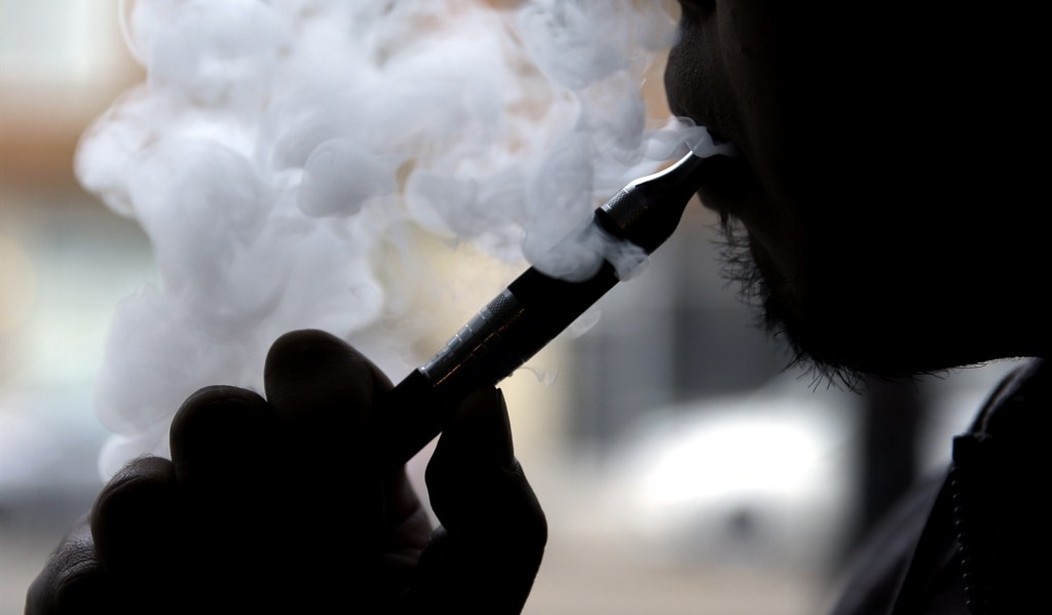
Last December, Washington, DC voters approved a measure legalizing marijuana for users over 21. In a legislative battle that highlighted how controversial and complex the issue is, Congress (which has legal jurisdiction over the city) immediately moved to ban the sale and purchase of the drug, creating a challenging situation for law enforcement. This was very concerning to me because I smoked marijuana as a part of the youth culture in the 70’s and observed severe emotional and physiological side effects with my friends.
While it is unclear how the conflicting laws will be applied and enforced, marijuana enthusiasts are already making their plans.
As the Washington Post reported: Two ballrooms on Capitol Hill are already reserved for a pot expo on Feb. 28. A date for a massive marijuana seed giveaway is in the works for early March. Some are planning “cannabis clubs” with membership fees and access to the plant. Others hope to offer high-end catered dinners cooked in marijuana-infused oils; recently, an underground test dinner was served a mile-and-a-half north of the White House. Washington, DC is far from alone in its pot-friendly legislation. Oregon, Alaska, Colorado and the state of Washington have completely decriminalized marijuana, while various other states allow it for medical purposes.
There are several compelling arguments for the legalization of marijuana. Usage is not generally associated with violent behavior, and punishing infractions takes valuable time and resources from law enforcement. Marijuana does offer benefits for certain medical conditions, including multiple sclerosis, spinal cord injury and glaucoma. It can also provide relief for certain kinds of chronic neuropathic pain.
This creates a dilemma: should marijuana be legal to use recreationally because it has legitimate therapeutic uses? Should it be illegal for medical purposes because people use it recreationally? Opioids are used for pain relief but remain controlled substances because of their potentially addictive properties. But is marijuana comparably dangerous? Early results from states like Colorado suggest that legalization has actually been associated with a drop in crime. Yet there are undoubtedly negative consequences for individuals who use marijuana recreationally, even if they do so legally. The smoke is an irritant to the lungs and causes respiratory problems similar to those caused by tobacco. A British study suggested that just three marijuana cigarettes do the same amount of lung damage as 20 tobacco cigarettes. Tar from marijuana cigarettes was also found to contain 50 percent more carcinogens. It is somewhat ironic that, in an era when some localities are attempting to regulate the use of trans fats and the size of soft drinks, we are also witnessing the gradual decriminalization of a known carcinogen with psychoactive properties. Perhaps most worrisome are marijuana’s known negative effects on cognitive function. A 2012 study revealed a substantial loss of IQ—8 points or more—in people who began smoking marijuana before age 18. (Adults who never smoked marijuana gained IQ points as they aged.) “Collectively, these findings are consistent with speculation that cannabis use in adolescence, when the brain is undergoing critical development, may have neurotoxic effects,” wrote lead researcher Madeline Meier of Duke University.
Recommended
There is little to no debate that legalizing marijuana partially or completely increases its use. Cost goes down, as do consequences for possession. But, perhaps more importantly, law plays a vital role in shaping what is considered culturally acceptable and what is taboo. While many point to the era of Prohibition during the 1920s to highlight the futility of “legislating morality,” According to the CDC, in 2012 just over 7 percent of Americans over 12 used marijuana
for non-medical purposes. That is in contrast to over 51 percent of Americans over 12 who drank alcohol at least once a month.
Connoisseurs of food cooked in marijuana-infused oils will undoubtedly rejoice as our society moves closer and closer to accepting casual marijuana use as respectable. However, as with most self-destructive behaviors, the demographic groups that can least afford the consequences of recreational pot use will bear the brunt of this social experiment. Wealthy and upper middle class young people can typically afford to lose a few years of their lives—and even a few IQ points—being stoned and unproductive. The working class and the poor, who must make the most of every opportunity life affords them, cannot. In the face of the growing legal and social acceptance of pot use, it is imperative that families, communities, churches and other institutions of faith exert social pressure to discourage use. This is not as hard as we might imagine. According to Joseph A. Califano, Jr., chairman and president of The National Center on Addiction and Substance Abuse (CASA) at Columbia University, studies have demonstrated that the more frequently children do something as simple as have dinner with their parents, the less likely they are to smoke, drink or use illegal drugs. As society’s standards collapse, parents and faith leaders must call everyone—particularly young people—to a higher, better standard.









Join the conversation as a VIP Member