






"We must hang together, gentlemen," Benjamin Franklin warned his fellow colonists during the American Revolution, "else, we shall most assuredly hang separately."
In many ways, the same thing is true in business today. The global competition for customers is fierce. Companies that don’t forge good relationships between employees and management are likely to be run out of business by those that do.
Unfortunately, our labor laws make it tougher than it should be for management and workers to work together.
The National Labor Relations Act was written during the 1930s, and hasn’t truly been updated since just after World War II. Back then, workers and employers tended to treat each other as adversaries. Workers unionized to protect their interests and frequently squared off against business owners.
But the picture is very different today.
Global competition has forced American companies to embrace teamwork. Businesses count on workers to identify problems and suggest solutions, and workers understand it’s in their best interest to help their company succeed.
One way to encourage that give-and-take attitude is through employee involvement programs, where workers and supervisors sit down together to discuss ways to improve business. That’s exactly the sort of organization many employees want, but there’s a problem. Many such groups are illegal.
The law says workers may speak with employers through a labor union, or not at all. Any other form of dialogue between employee representatives and management (outside of collective bargaining) is banned.
That’s a mistake, especially since relatively few workers these days even want to be unionized. A 2006 Zogby poll found that 74 percent of non-unionized workers say they wouldn’t “personally like to be a member of a labor union.” Today only 20 percent say they would like to unionize. That’s down substantially from 1984, when about a third of non-union workers said they wanted to form a union.
The numbers on union membership bear that out. In 1974, a quarter of private-sector workers were in unions. Today, only 7.5 percent are. What workers seem to want is a voice in how their company operates, without the confrontational attitude that so many unions bring to the table.
Lawmakers originally banned employee involvement programs because they feared unscrupulous owners would create employer-dominated “company unions” to prevent workers from forming true labor unions.
That’s no longer a worry, though. Employers don’t hammer out deals with action teams, they just work together to make the business more profitable. Employee involvement programs don’t replace unions or keep workers from organizing if they choose to.
But choice is the key component, and some in Congress are eager to take the country in the wrong direction here, too.
Take the ironically named Employee Free Choice Act. It would actually endanger a right millions of American workers enjoy: the right to choose whether to join a union.
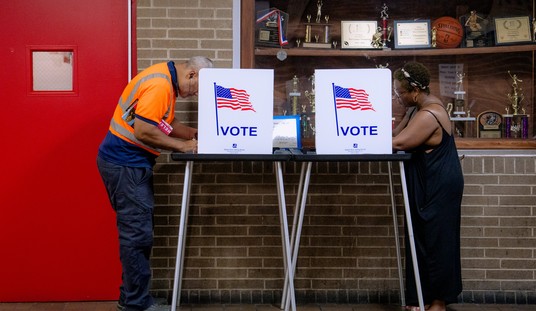
This law would replace the secret ballot -- a simple vote, like the one millions of Americans will cast this fall for president -- with a system of card checks. If union organizers could pressure enough workers to publicly sign a card saying they want to join a union, a company would be unionized. Union organizers and other pro-union employees could easily intimidate undecided workers -- hardly giving them a fair choice.
This makes no sense. The right to a private vote is fundamental in any fair election. Workers should retain the right to vote -- without pressure from management or big labor -- on whether to organize.
Globalization has shrunk the world, and the fight for customers is more intense. This Labor Day, it’s worth remembering that we need to update our labor laws if we want to compete in the modern era. If we don’t, too many American companies are sure to be left, in Franklin’s phrase, hanging.


Join the Conversation
VIP members get the ability to comment on articles.