





Last week, my two stepsons' father, a man who loved life, killed himself.
I would like to tell you why.
Two years ago, a 62-year-old father of three named Bruce Graham was standing on a ladder, inspecting his roof for a leak, when it slipped out from under him. He landed on top of the ladder on his back, breaking several ribs, puncturing a lung and tearing his intestine, which wasn't detected until he went into septic shock. Following surgery, he lapsed into a two-week coma.
In retrospect, it's unfortunate that he awoke from that coma because for all intents and purposes, his life ended with that fall. Not because his mind was affected -- it was completely intact until the moment he took his life -- but because while modern medicine was adept enough to keep him alive, it was unable or unwilling to help him deal with the excruciating pain that he experienced over the next two years. And life in constant excruciating pain with no hope of ever alleviating it is not worth living.
As a result of the surgery, Bruce developed abdominal scar tissue structures known as adhesions. Adhesions can be horribly painful, but they are difficult to diagnose because they don't appear in imaging, and no surgery in America or in Mexico (where, out of desperation, he also sought treatment) could remove them permanently. Many doctors dismiss adhesions, regarding the patient's pain as psychosomatic.
The pain prevented him from getting adequate sleep. And he could not eat without the pain spiking for hours. By the time of his death, he had lost almost half his body weight.
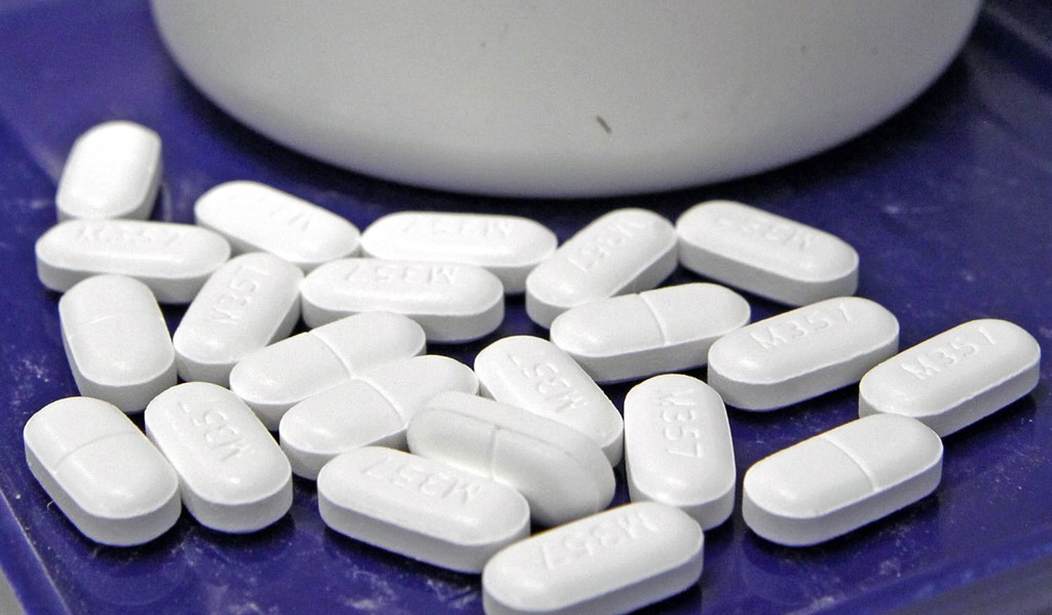
Prescription painkillers -- opioids -- relieved much of his pain, or at least kept it to a tolerable level. But after the initial recuperation period, no doctor would prescribe one, despite the fact that this man had a well-documented injury and no record of addiction to any drug, including opioids. Doctors either wouldn't prescribe them on an ongoing basis due to the threat of losing their medical license or being held legally liable for addiction or overdose, or deemed Bruce a hypochondriac.
The federal government and states like California have made it extremely difficult for physicians to prescribe painkillers for an extended period of time. The medical establishment and government bureaucrats have decided that it is better to allow people to suffer terrible pain than to risk them becoming addicted to opioids.
They believe it is better to allow any number of innocent people to suffer hideous pain for the rest of their lives than to risk any patient getting addicted and potentially dying from an overdose.
Dr. Stephen Marmer, who teaches psychiatry at the UCLA School of Medicine, told me that he treated children with terminal cancer when he was an intern, and even they were denied painkillers, lest they become addicted.
Pain management seems to be the Achilles' heel of modern medicine, for philosophical reasons as well as medical. Remarkably, Dr. Thomas Frieden, former director of the Centers for Disease Control and Prevention, wrote in The New England Journal of Medicine last year, "Whereas the benefits of opioids for chronic pain remain uncertain, the risks of addiction and overdose are clear."
To most of us, this is cruel. Isn't the chance of accidental death from overdose, while in the meantime allowing patients to have some level of comfort, preferable to a life of endless severe pain?
Though I oppose suicide on religious/moral grounds and because of the emotional toll it takes on loved ones, I make an exception for people with unremitting, terrible pain. If that pain could be alleviated by painkilling medicines, and law and/or physicians deny them those medicines, it is they, not the suicide, who are morally guilty.
Bruce was ultimately treated by the system as an addict, not worthy of compassion or dignity. On the last morning of his life, after what was surely a long, lonely, horrific night of sleeplessness and agony, Bruce made two calls, two final attempts to acquire the painkillers he needed to get through another day. Neither friend could help him. Desperate to end the pain, he picked up a gun, pressed it to his chest and pulled the trigger. In a final noble act, he did not shoot himself in the head, even though that is the more certain way of dying immediately. He had told a friend some weeks earlier that if he were to take his life, he wouldn't want loved ones to experience the trauma-inducing mess that shooting himself in the head would leave. Instead, he shot himself in the heart.
An autopsy confirmed the presence of abdominal adhesions, as well as significant arthritis in his spine.
May Bruce Graham rest in peace. Some of us, however, will not live in peace until physicians' attitudes and the laws change.

Join the Conversation
VIP members get the ability to comment on articles.