





As time runs out for the Super Committee of twelve House and Senate Members to strike a deal to reduce the federal deficit by $1.5 trillion, there is growing concern that failure by the committee would trigger a sequestration (automatic cut) of $600 billion or more at the Defense Department. This would be on top of $850 billion in cuts over a decade already announced by the Obama Administration, including cancelling 50 weapons programs, as national security expert Peter Brookes explained recently on these pages.
The Super Committee idea and the threat of automatic cuts through a sequester was a component of the compromise reached last summer to increase the federal debt ceiling.
The good news – maybe – is that, "Several members of Congress, especially Republicans on the House and Senate Armed Services Committees, are readying legislation that would undo the automatic across-the-board cuts" according to a New York Times report.
Mike Conaway (R-TX), a member of the House Armed Services Committee, said "most of us will move heaven and earth to find an alternative that prevents a sequester from happening." That assessment is shared by many Democrats, too. John Garamendi (D-CA) was adamant. "The sequester will never take place," he said. "It's not going to happen."
Senator Carl Levin, the Democrat Chairman of the Senate Armed Services Committee, says that the announced Pentagon cuts will be "very difficult to meet already," and so he, too, opposes further defense cuts through the sequester trigger.
The Joint Chiefs of Staff warned Congress in early November of the severe consequences to troop strength and defense capabilities if further cuts are mandated. Obama's Secretary of Defense, Leon Panetta, agreed saying that additional cuts "would do serious damage to our ability to be able to make the kind of changes in our defense structure that are responsible and that do protect this country for the future."
Recommended
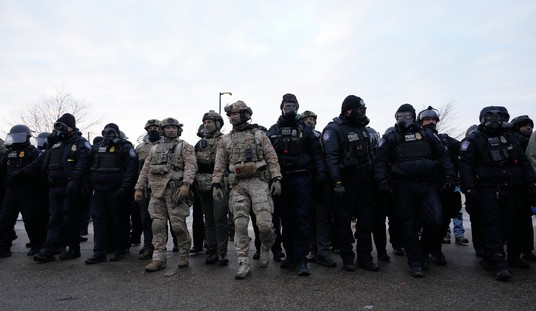
Brookes, a former Deputy Assistant Secretary of Defense, believes further cuts "will harm our ability to deter, dissuade or deal with adversarial activities and shape world events in our favor, presaging a possible plummet in US power across the globe."
Congress does need to reduce the deficit, and the $1.5 trillion charge to the Super Committee is understated. But, further cuts in defense would be short sighted. As a percent of GDP, spending on entitlements currently consumes twice as much as defense, so defense isn't even the biggest nor most obvious target. Further, the Obama budget plan would continue a well established decline in the percentage of the budget devoted to defense while spending on social programs continues to explode.
The real question before Congress is one of priorities and the essential role of government. Syndicated columnist Robert Samuelson summarized our sentiments in one of his recent features. "A central question of our budget debates is how much we allow growing social spending to crowd out the military and, in effect, force the United States into a dangerous, slow-motion disarmament," he wrote. "Defense spending is unlike other spending, because protecting the nation is government's first job. It's in the Constitution, as highways, school lunches, and Social Security are not."
When the debt ceiling compromise was agreed to, we doubted the likelihood for success of the Super Committee and expressed our concern that Congress had backed the military into a corner. While it doesn't solve the very real problem of reducing the deficit, we do find some satisfaction in the Good News that many on Capitol Hill are waking up to the need to find budget solutions that do not further compromise our national security.







Join the conversation as a VIP Member