





I'm bullish on America. But I don't think we should look at rising incomes and household wealth and assume that families have all the breathing room they need.
The numbers in the latest Federal Reserve survey help explain why. Between the 2022 and 2025 surveys, median family income rose seven percent after inflation, and median net worth increased 2 percent. Those are encouraging results. I want to see more of that.
But there's another part of the picture. According to CNBC's reporting on the findings, nearly one in five families fell behind on debt payments, up from about 12 percent in the previous survey. More than eight percent were at least two months behind, compared with roughly five percent before.
That concerns me. If incomes and wealth are improving, but more families are having trouble paying what they owe, we need to pay attention to both.
And remember, net worth doesn't tell you how much money a family has available at the end of the month. Owning a home and building a retirement account are important. But a family can have both and still struggle to cover its bills or handle an unexpected expense.
The Fed also found that 8.6 percent of families had debt payments exceeding 40 percent of their before-tax income in 2025, up from 6.5 percent in 2022, a big increase. That includes mortgage payments. It concerns me because committing that much income to debt can leave a family with very little room to save or handle an unexpected expense.
I wouldn't read this as a reason to lose confidence in America. I would read it as a reason to ask more of our economy and the policies that shape it.
I believe in growth. I believe in ownership and in the wealth that productive businesses can create. I want more Americans to own homes, become investors, and start businesses. But to do those things, families need some room in their budgets. It's hard to invest in your future when you're borrowing to get through the present.
So where do we start? Housing would be high on my list.
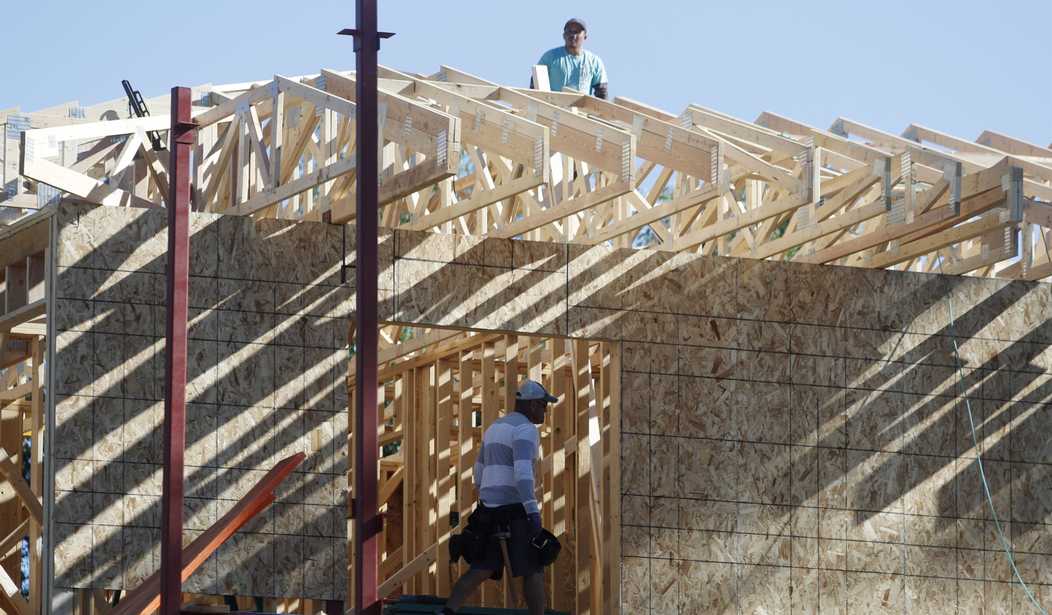
We should make it easier to build homes where people want to live and where the jobs are. I'd particularly like to see blue states and blue cities take a harder look at the gap between what they say about affordable housing and what their local rules actually allow builders to build.
Part of the problem is the incentive facing people who already own a home. They want their property values to keep rising, and some oppose new housing because they worry that more supply will put pressure on those values. I understand wanting to protect what may be your biggest asset. But keeping housing scarce makes it harder for the next family to buy in.
Those interests can show up in restrictive zoning and lengthy approval processes that make construction harder and more expensive. California has had to take legal action against local governments for blocking housing, including projects with affordable units. So this is a real conflict between the promise of more housing and the willingness to let it get built. I don't think every objection to a development is unreasonable. But if officials say they want affordable housing, they should be willing to change rules that unnecessarily limit supply, even when existing homeowners object. I'd judge their commitment by whether they actually make it easier to build. More homes would give families more choices and help workers move closer to opportunity.
Energy matters for much the same reason. A business needs dependable power to expand. A family needs a utility bill it can manage. I'd judge energy policy by whether it helps us produce abundant, reliable power at competitive costs. Those costs matter every month.
I'd also like to see us take a broader view of education. A four-year degree can be a good investment. But apprenticeships, technical training, and the skilled trades deserve the same respect. A young person who learns a useful skill and builds a good career without taking on excessive debt has made a sound financial decision.
And we should make it easier to start and grow a small business. Fewer rules, certainty, efficient government, and a competitive tax environment matter to someone deciding whether to expand or hire another person. Every unnecessary obstacle makes that decision harder.
Families have responsibilities here, too. There is not enough financial literacy. Understanding what borrowing costs, building an emergency fund, and being realistic about what you can repay all matter. Schools, employers, and financial institutions can help by making financial education useful in the decisions people actually face.
Lenders have a responsibility to be clear as well. People should understand the cost of a loan and how long they'll be paying it back. Credit can help someone buy a home, get an education, or build a business. Used responsibly, it can open doors. Taking on payments you can't sustain can close them.
Washington should apply some discipline to its own decisions. We should judge spending by what it accomplishes and take the cost to taxpayers seriously. The government should make room for private investment and be careful about the burdens it places on people creating jobs.
Business leaders have a role, too. Investing in the business, helping employees develop their skills, and delivering something customers value are practical ways to contribute. Companies benefit when the households they employ and serve are on firmer financial ground.
So am I optimistic about America's future? Absolutely.
But I want that optimism to mean something to a family sitting at the kitchen table, looking at the bills. A better-paying job. A home they can afford. Enough left over to save and start planning ahead.
That's the kind of progress I'd like us to keep our attention on.
Bob Rubin is the Founder and President of Rubin Wealth Advisors, learn more at www.rubinwa.com.
Editor’s Note: Do you enjoy Townhall’s conservative reporting that takes on the radical Left and woke media? Support our work so that we can continue to bring you the truth.
Join Townhall VIP and use promo code FIGHT to receive 60% off your membership.



Join the Conversation
VIP members get the ability to comment on articles.