





I once, at 17 years old, kept the President of the
Fifty years later I am struggling with another concept, being espoused by economists, central bankers, politicians, mainstream media and even the majority of talk show hosts.
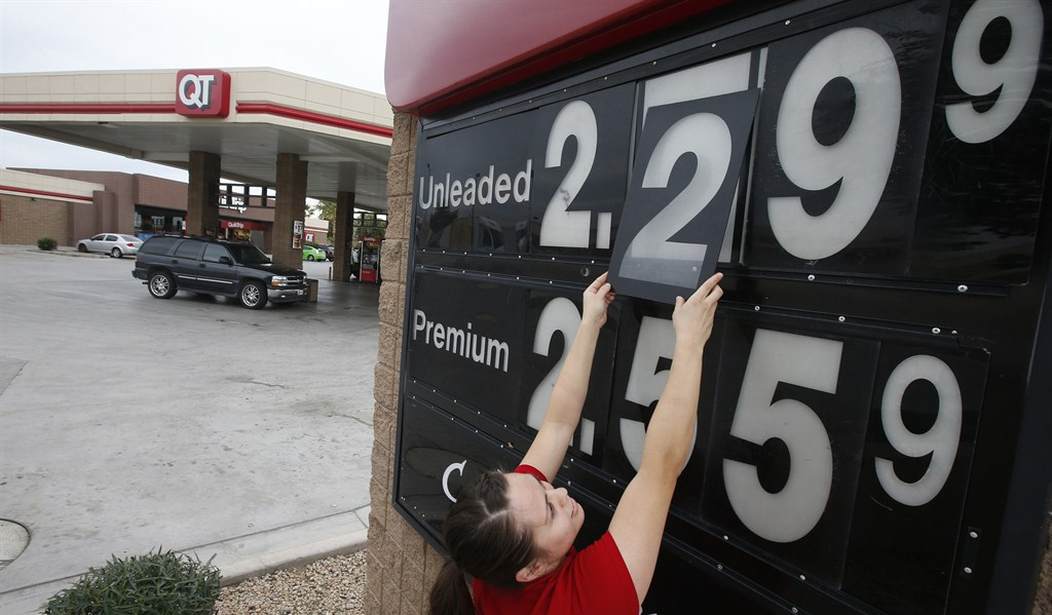
- The idea that falling gas prices will put more money in consumer’s pockets.
- For every $10 drop in oil GDP increases by 1/10th of a percent.
Let’s start with the concept of more money in one’s pocket. Example: I have a 20 gallon tank and decide to filler-up at $4 per gallon. I carry $80 in cash in my pocket and after I revive from the shock all $80 has been passed to the service station attendant leaving me with zero.
Gasoline is now $2 per gallon. Once again I say filler-up with the same 20 gallon tank and also with the same $80 in my pocket. This time, however, I pass over only $40 to the station attendant. With my remaining $40, and it being Christmas, I decide to stop and buy an electronic toy marked “Made in
Once again I return home with zero in my pocket. Instead of buying one item with my $80, gasoline, I bought two, gasoline and a toy. I didn’t have any extra money as it has been stated. I just was able to buy more things.
It is all a zero sum game which takes away from one to give to another.
The idea that it increases the GDP also confounds me. According to the Energy Information Administration only 21% of all net energy to be used in 2015 will come from imports. That means that 79% of our energy needs will be provided domestically.
Here’s my question. How does our GDP grow if the spending has been diverted from 79% of it staying home and supporting domestic energy companies to the majority of it going abroad and supporting an international manufacturer?????
It would appear that smarter folk than I have figured this all out but remember I’m still struggling, after 50 years, with why high productivity resulting in high unemployment is a good thing.



Join the Conversation
VIP members get the ability to comment on articles.