





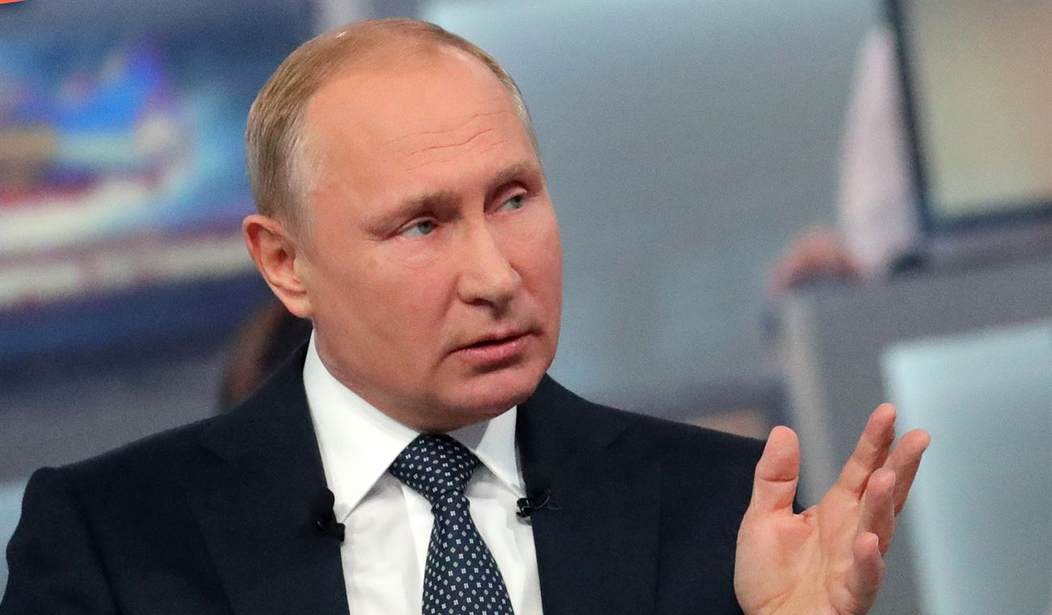
In June 2018, the Russo-Ukraine War has become an expensive example of violent stagnation. The expenses are measured in lives lost and money wasted, spilled blood and red ink.
Both sides suffer, and Ukraine demonstrably since the fighting occurs on its territory. However, Russian president Vladimir Putin and the curious oligarchy of billionaires and gangsters backing his Kremlin regime have discovered the expensive stalemate has exacerbated Russian economic problems. Widespread disappointment has revived demands for internal change, which is bad news for Putin and his cronies.
In retrospect, Putin's Kremlin bet on two things: rapid military and political victory in Ukraine and high oil prices constantly replenishing Russia's national coffers.
In February 2014, when it launched its Ukraine adventure, Russia had cash flow. With lightning quickness, its forces seized Crimea. Kremlin propagandists claimed Russia was protecting threatened ethnic Russian minorities. However, invading Crimea shredded the 1994 Budapest accord, which traded Ukraine's nuclear weapons for Russia's guarantee it would not violate Kiev's territory.
In March 2014, Russia annexed Crimea. The swift political action indicated the Crimea invasion had been planned. For the first time since the end of World War II, military aggression in Europe by a major European power had led to political annexation and territorial expansion. Yet there was surprisingly little pushback beyond rhetorical condemnation.
Russia's April 2014 attack into Ukraine's eastern Donbas region likewise made comparatively quick initial gains as Russian special forces soldiers and "separatist" ethnic Russian proxy forces counterfeited by the Kremlin seized key Ukrainian towns.
However, Ukraine didn't fold; Ukrainians fought back. Russian gains were no longer quick and swift. Negotiations began. Ceasefires, however, never held -- the Russian proxy forces usually broke them.
Then oil prices began to drop. U.S. fracking techniques became more economically competitive. The Saudis used their oil pricing clout to wage economic war on Iran and affect Iranian troublemaking in Yemen and Syria. Meanwhile, Russian forces became more deeply involved in Syria.
Since 2016, the frontline snaking through Ukraine's Donbas region has scarcely shifted -- which, from a map warrior perspective, justifies the description "stalemate."
Yet all has not been quiet on the stalemated front. Russia has deployed artillery units and air defense missiles in Ukrainian territory and built electronic intelligence facilities -- their pictures appear on the internet. Russia has also built a bridge that crosses the Sea of Azov's Kerch Strait. It connects Russian territory to Crimea and circumvents Ukraine.
Sporadic infantry battles and artillery attacks erupt along the front. These attacks may not nudge the frontline but they do wound and kill. Some of the dead are Russian soldiers and mercenaries whose presence in eastern Ukraine Russian propagandists deny.
However, their undeniably dead bodies are eventually returned to their families in Russia, as are the bodies of Russian mercenaries killed in Syria.
So who is losing this stalemated European war? Ukraine has lost territory it may never recover. Though Russian "separatist" forces have failed to take key Ukrainian cities like Mariupol, Kremlin support for separatists has sapped Ukraine politically, stymied economic growth and increased domestic debt. Kiev struggles with internal corruption.
On the other hand, the revived Russian superpower Putin vowed to create is faltering in a Donbas quagmire his Kremlin created.
The Russian death toll in Ukraine and Syria has become a domestic political problem he cannot ignore. Russia remains dependent on oil and gas exports, but foreign competition moderates prices, so Russia lacks the cash to wage no-win wars. International sanctions imposed after the Crimean annexation also squeeze finances.
However, retreating from Ukraine would deeply embarrass the Kremlin. A permanent quagmire in eastern Ukraine might be more acceptable, as long as mercenaries and separatists take the casualties.
Join the Conversation
VIP members get the ability to comment on articles.