





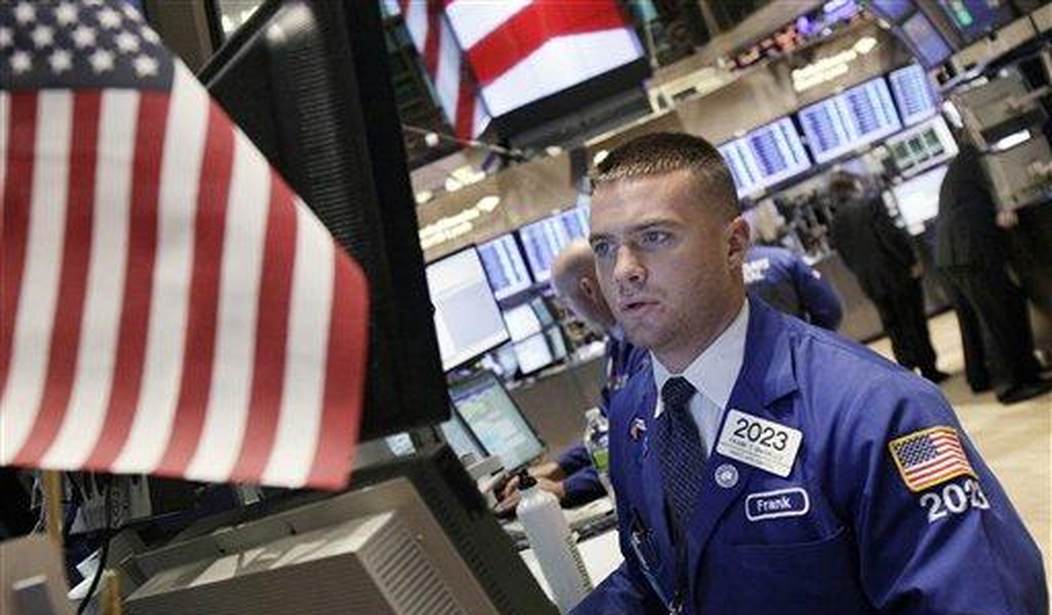
Friday morning brought another update to the personal consumption expenditures (PCE) price index and the latest read was not received well by Wall Street, sending the Dow Jones, S&P 500, and Nasdaq tumbling between one and two percent in the first hour of trading.
That's because PCE is the Federal Reserve's "preferred" gauge of inflation, and it showed price increases burning hotter than anticipated, likely triggering more interest rate hikes that have so far failed to bring inflation down to the Fed's goal of just two percent.
In Friday's report, January's PCE read showed 0.6 percent month-over-month inflation while estimates called for just 0.4 percent. That's the PCE's largest increase since last June, mirroring inflationary spikes measured by the Consumer and Producer Price Indexes. Year-over-year, PCE inflation hit 5.4 percent, also beating the expected 5.0 percent. On both a monthly and annual basis, PCE showed accelerating inflation at the start of 2023.
What's more, Friday's PCE release revised December's monthly read up from 0.3 percent to 0.4 percent. That is, inflation is ticking back up and accelerating quickly in the wrong direction.
INFLATION: HEATING UP, NOT COOLING DOWN. The personal-consumption expenditures price index—the Fed’s preferred gauge of inflation—higher in Jan. than Dec. The core PCE, excluding food and energy prices, UP ⬆️ 4.7% in Jan. from a year earlier, picking up steam from Dec.
— Dagen McDowell (@dagenmcdowell) February 24, 2023
As Bloomberg noted in its report on the latest inflation number, "the easing that was celebrated at the end of last year has largely been erased after revisions and the acceleration in January." Their report also quoted Cleveland Fed President Loretta Mester as saying there's still a "need to keep raising rates" and the latest PCE read is "consistent with the fact that the Fed needs to do a little more on our policy rate to make sure that inflation is moving back down."
Recommended
Well, so far at least, the Fed has not succeeded in its efforts to move inflation in a consistent, downward trajectory. The Federal Reserve interest rate decision makers' next meeting is March 21-22.
In addition to increasing the likelihood of more Fed interest rate hikes for a longer period of time — despite the fact that rates have already been raised to their highest level since the financial crisis of 2007-2008 — Friday's PCE report means that the chances of a so-called "soft landing" for the economy as it slows are dwindling.
For the second half of President Joe Biden's term, that means slowing GDP, higher unemployment, and a host of other subsequent economic issues leading right into the 2024 election.







Join the conversation as a VIP Member