




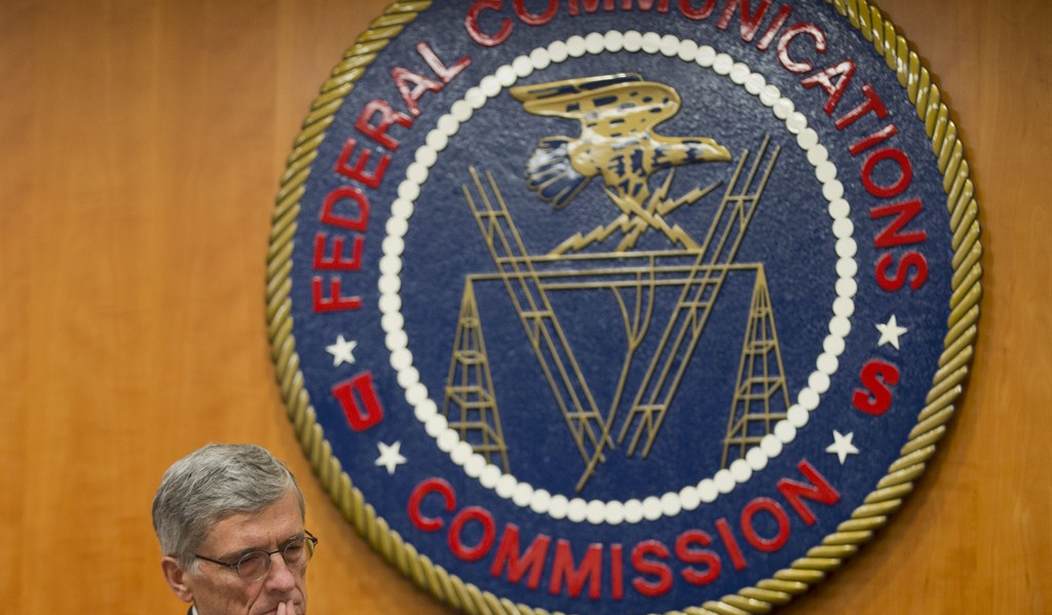
As the Wall Street Journal’s Editorial Board recently pointed out, the Federal Communications Commission (FCC) is using a backhanded, politically motivated ploy to block a proposed transaction of media companies that has garnered a lot of support from across the media industry, labor unions, and civil rights groups and who want to see more diversity in media ownership. What’s going on at the FCC?
Standard General, an investment fund that is already involved in and knowledgeable about media, has proposed a plan to buy TEGNA. TEGNA is an innovative media company that owns television stations in 51 U.S. markets. Because Standard General is led by Soo Kim, a naturalized American citizen born in Korea, and the new Standard General-TEGNA corporation would be chaired by industry veteran Deb McDermott, the merger would with the stroke of a pen create the largest minority-owned, woman-led media group in the nation.
The number of minority-owned or controlled commercial U.S. television stations would increase by 300% as a result of this merger, a major step forward in an industry that even the FCC acknowledges is woefully lacking in diversity. At a time when 40% of all Americans identify as minorities, minority ownership of broadcast television stations languishes in the low single digits, with Asian-Americans in control of barely 1% of stations.
But instead of embracing this potential gamechanger in media diversity, the FCC, egged on by the usual suspects of anti-business liberal politicians including Sen Elizabeth Warren, is trying to scuttle it. Thwarting a vote by Commissioners, the normal process in a case such as this (that might not get her desired result), Chair Jessica Rosenworcel’s Media Bureau chief has designated the merger for an administrative hearing.

Over the last 30 years, FCC administrative hearings have taken an average of 799 days to complete, with even the quickest dragging on for almost a year. As the FCC well knows, the financing for the Standard Genera/TEGNA deal expires on May 22, making it a virtual certainty that the merger won’t happen.
That’s a big loss on multiple fronts. The FCC is sending a signal to the financial community that it should finance media deals led by a minority applicant at their own risk as the FCC says it wants to increase media diversity, but then turns its back on a proposal that would do just that. The FCC’s actions will certainly make accessing capital that much harder for would-be minority investors.
Sinking this merger will also have a chilling effect on the entire media industry and any entity contemplating their own media deals in the future. The FCC Media Bureau shouldn’t get to decide who owns media in the U.S. without even a vote of the Commission. Anyone thinking about investing in media has to be worried they’ll be rebuffed at the whim of the chair.
As news evolves, we’ll need more investment, new ideas, and innovation to keep it afloat with changing consumer habits. The FCC’s highhanded treatment of Standard Genera/TEGNA is another blow to an already struggling media sector, and its ramifications could directly inhibit much-needed progress in how Americans get their information.
Steve Forbes is Chairman and Editor-in-Chief of Forbes Media







Join the conversation as a VIP Member