






When the people of Great Britain decided to leave the European Union it energized populist movements around the globe. Some Americans wonder if Brexit previews a Donald Trump presidency.
The presumptive Democratic nominee, Hillary Clinton, is playing up the possibility. “Donald Trump might win—send money” is her new message.
In fact, he might win. Anything is possible in American politics. He’s been able to connect with white, working class, secular voters who until now remained Democratic or stayed home.
But the success of “Brexit” offers no guarantees. There are many differences between the United Kingdom and America.
There’s also the little matter of the upcoming campaign. The U.S. will be hearing a lot more from both of the major party candidates in the coming months. How the Brits voted in June doesn’t tell us much about who Americans are likely to choose on November 8.
Still, the British contest highlights some of the themes that might serve Trump well as he crafts his message for the general election. In the UK the working and middle classes defeated the usual business, academic, cultural, media, and political elites. Average folks can win even when it seems like most everyone “important” is against them.
One issue is self-government. Like the British, Americans want to govern themselves. We are happy to cooperate with others, including people overseas. But we don’t want to be ruled by others, just like the British decided they didn’t want to live under the EU, headquartered in Brussels. No country should turn over to other nations or organizations basic decisions, whether involving the economy, immigration, defense, or anything else.
Federalism applies the same principle at home. Why should someone in Washington decide on educational standards for every school in the U.S. or which bathroom 330 million Americans must use? Washington is looking a lot like Brussels, filled with large, ugly, unnecessary buildings packed with people most skilled at ordering everyone else around. Most decisions in life can and should be decided closer to home.
Uncontrolled immigration is unacceptable. A country must control its border and decide who to admit. Choices have to be made on who can enter, and the national government is responsible for making those decisions. Immigration has many impacts, including security, which Trump has emphasized. Political correctness is no excuse for ignoring the risk of terrorism.
Public officials should be held accountable. In general, look at the mess in Washington. I sometimes wonder if anything is working.
Four Americans, including a U.S. ambassador representing his country, died at Benghazi. Yet no important decision-maker has been held accountable. Government leadership should not be a responsibility-free job.
Politicians and bureaucrats are constant threats to liberty. They just don’t change. The Eurocrats, who run the EU’s many institutions, overrode public opposition again and again. When a constitution for the EU was voted down in 2005, Brussels decided to enact the same thing via the Lisbon Treaty. When Irish voters turned that down, they were pushed to vote again until they voted the right way. Eurocrats never take no for an answer.
It’s the same in America: special interests lobby for subsidies and regulations until they wear down the other side. We need a president prepared to say not just no, but h--- no!
The challenges facing America transcend partisan lines. In Britain opposition to the EU was not limited to traditionally “conservative” or “right-wing” forces. Indeed, some of the strongest support for “Brexit” came from working class voters in traditional Labour Party neighborhoods.
It’s the same in America. The systems for education, immigration, job creation, assimilation, and more are broken. The battle is not between Republican and Democrat, but between those who recognize the need for tough solutions and those satisfied with the status quo.
Economic stagnation is a particularly serious concern. The Obama recovery is barely that, as his administration has swamped the economy with job-killing regulations. But the answer is not the usual bipartisan, establishment panaceas: generous corporate welfare, useless “stimulus” pork barrels, and the like.
Perhaps most important, Donald Trump must continue giving voice to those who believe they have been ignored, dismissed, and mistreated. He can’t do that to the exclusion of speaking to others, especially entrepreneurs who help make America a success. Rather, he must expand the Republican Party’s appeal beyond those comfortable with the past.
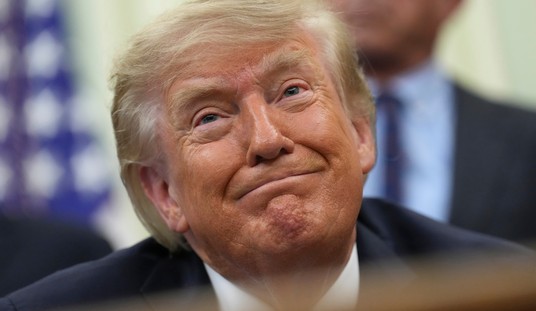
Brexit demonstrates that the underdog can win, and that includes Donald Trump. But he will triumph only if he can connect with more people. That will require picking up many of the same themes which led the British to vote to leave the EU.

Join the Conversation
VIP members get the ability to comment on articles.