For over three decades smuggling and selling illegally obtained blood diamonds and exotic minerals has made waging low-level warfare in Central Africa a lucrative criminal racket for rebel militias and corrupt military officers.
In a humiliating example of self-inflicted electronic bugging, last week a live broadcast television microphone in Egyptian President Muhammed Morsi's Cairo office caught the president and Egypt's most senior political leaders plotting sneak attacks on the upstream Nile's biggest dam builder, Ethiopia.
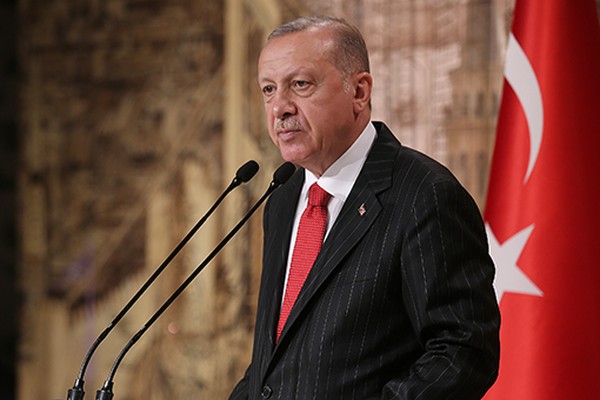
The late spring wave of mass domestic political protests in Turkey caught many observers by surprise. Moreover, the protests have rattled Turkish Prime Minister Recep Tayyip Erdogan.
At a time when Americans, with good reason, feared a Japanese invasion of Hawaii and the continental U.S. West Coast, Kiska and Attu actually became Japanese Occupied America.
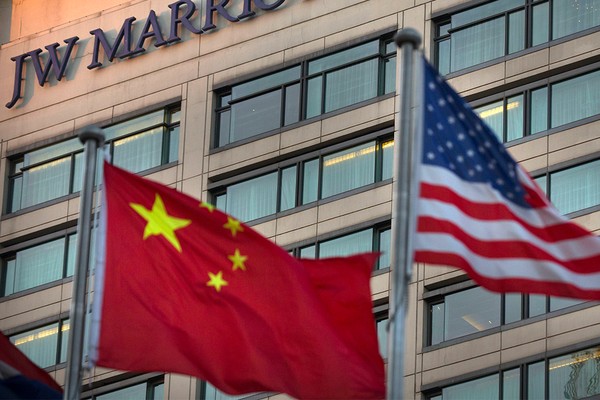
In 2011, China had a gross domestic product of $7.3 trillion dollars, second only to America's $15 trillion GDP output -- at least according to official data.
In a column published on Sept. 18, 2012, I argued that verified tactical military details of the engagement, the iconic date itself, and subsequent, very explicit statements by Libyan government authorities, left no doubt that on 9-11-2012 the U.S. consulate in Benghazi suffered a planned attack by an organized anti-American militant Islamist militia.
This past Sunday, China and India agreed to avoid turning the world's most dangerous border dispute into the world's most dangerous war -- at least temporarily.
On April 25, Spanish police, at the request of Holland's national prosecutor's office, arrested Dutch citizen Sven Olaf Kamphuis.
On March 28, the U.N. Security Council approved the creation of a war-making-peacekeeping unit, a "specialized intervention brigade" designed to destroy the vicious rogue militias that plague the Democratic Republic of Congo's chaotic eastern provinces.
I have no idea who committed the terror attack in Boston and for what onerous reason. However, I do know that the technological and political dynamics extant in this week's massacre afflicted the late 19th century and that for some 140 years, the world has yet to balance the benefits and threats of mobility and miniaturization.
Everyone who knows that wealth underwrites all security arrangements should appreciate an unadorned but profoundly reverent epitaph for Margaret Thatcher posted this week on a national defense and military history Internet discussion board: "Without her England would have become Greece before Greece became Greece."
Propaganda campaigns inevitably experience the equivalent of a mass media Freudian slip, a moment so blatantly extreme their ostensibly crafted spiels of fear, hate and threat backfire and reveal an inconvenient truth or two about the propagandists.
Shared concern with Syria's deterioration and potential fragmentation has spawned two promising diplomatic turnabouts: a rapprochement between Israel and Turkey and the prospect of peacefully ending Turkey's war with Kurdish separatists.
"Who is it in the press who calls on me?" Julius Caesar asks in Act I of Shakespeare's play. "Beware the Ides of March," the prophetic Roman soothsayer wails. The dismissive dictator replies, "He is a dreamer; let us leave him: pass."
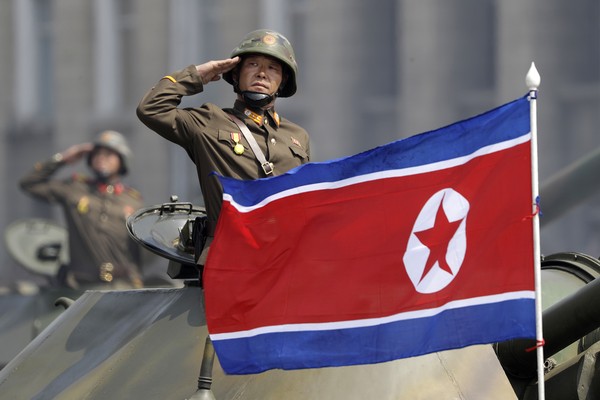
Call it North Korea's version of a '50s revival, though Pyongyang's 1950s retro is vicious Stalinist threat, not an evening of Chuck Berry and Elvis.
The vignette from 2002 speaks to bitter resentments expressed in Kenya's still unsettled election, and to the broader hope that digital technology can -- somehow -- circumvent the quiet oppression of corruption.
British Prime Minister David Cameron's mid-February visit to India began with a flattering appeal. "I want Britain and India to have a very special relationship," Cameron said in Mumbai.
February 2013 has been a very bad month for Iranian-sponsored terrorism.
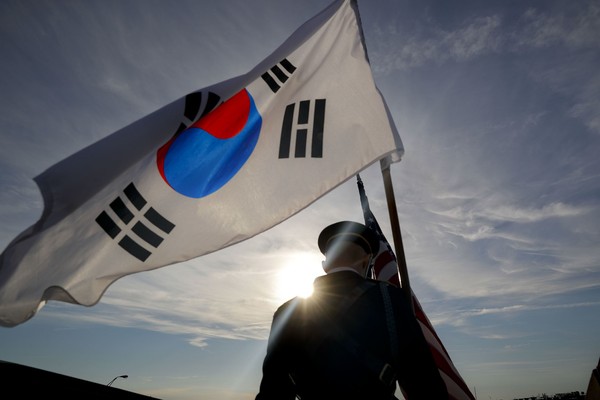
Last October, while riding on South Korea's KTX express train from Seoul to Cheonan, I glanced at one of the rail car's video monitors just as a chilling yet cyclically familiar news flash lit the screen: "North Korea threatens South Korea with nuclear war."
Feb. 2 marked the 70th anniversary of the end of one of World War II's most decisive and utterly destructive battles, the five-months of slaughter in the Russian city then called Stalingrad.