


It's nothing new. There are times when liberal reporters get it right. As we say often, a broken clock is right twice a day, or a blind squirrel finds a nut. In some instances, very rare instances, the few who haven’t gone full-communist offer more grounded commentary than any of their colleagues. Bill Maher has done excellent commentaries on political correctness, cancel culture and radical Islamic terrorism. He did a good analysis of the Capitol Hill riot, notably avoiding comparing the people who stormed the building to the wider Trump and GOP base. Michael Tracey has been excellent at shredding woke and identity politics hysteria, along with being one of the original reporters on the Left to shower tons of skepticism on the Russian collusion allegations. Glenn Greenwald is another reporter who was forced to flee the publication he co-founded, The Intercept, because, well, he wrote some not nice things about Joe Biden.
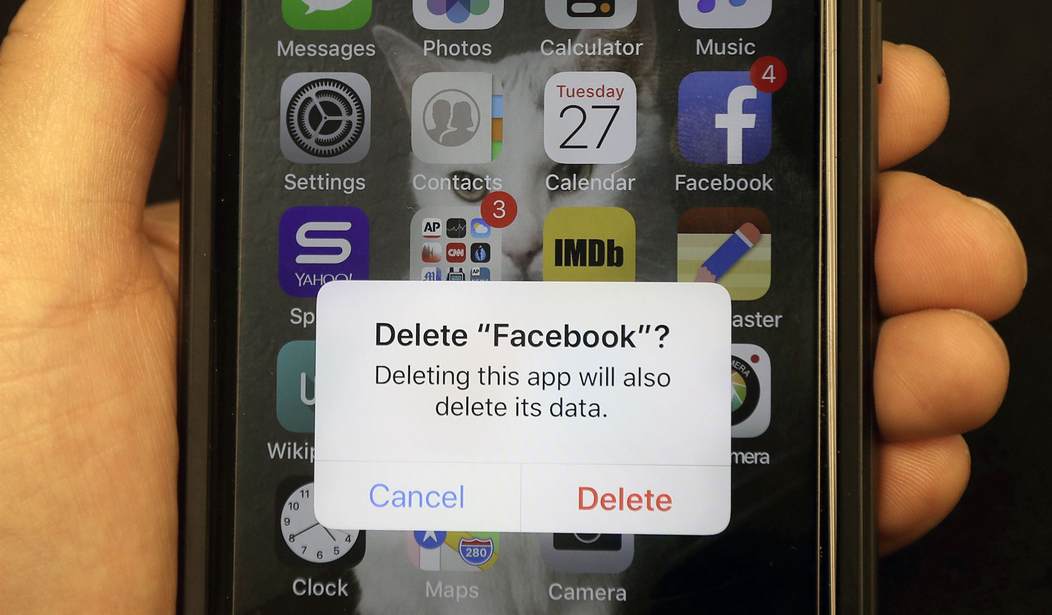
Greenwald also appeared on Fox News this weekend to offer his commentary about the state of the media and touched on a well-known and simple question that was directed at Big Tech: what credentials do these people possess that allow them to be the information Stasi? In what universe can social media platforms be the information police who dictate to us, the customer, which information is acceptable, and which is not. This comes as Twitter announced that any account that posts information they considered to be too kooky on COVID vaccines and the like will face a permanent ban from the platform.
It’s not a new question, but one that’s disturbing, nonetheless. Greenwald did note that Silicon Valley never wanted to be the KGB of information, regulating speech, and purging conservative voices. They wanted to just be a platform for people to communicate and share their opinions. He noted that they wanted to be akin to a telephone company. He also added that what’s even scarier than Big Tech taking this politburo approach to what’s on their site is Congress leading the charge to regulate speech. Greenwald noted these people are the targets of journalism. They cannot be allowed to turn the tables like this.
From this segment with Howard Kurtz, you’d think that Greenwald was a dyed-in-the-wool conservative. He’s not. The Intercept was founded for whistleblowers to come forward and leak information without fear of retaliation.
Still, I think there are also plenty of liberals who are wary of Big Tech’s power, though for entirely different reasons, both sides zero in on what bothers them about these companies. They’re too large, too powerful, and could chip away at democratic norms. For conservatives, it’s the censoring, purging, and regulation of speech. For liberals, more or less, it’s the spending of political ads and the extraction and storage of personal data used for microtargeting. Both are very powerful tools that these platforms possess. Are they private companies or public utilities? They’re sprinting into becoming the latter.










Join the conversation as a VIP Member