A Few Simple Snarky Rules to Make Life Better
Jamie Raskin's Low Opinion of Women
Thank You, GOD!
A Quick Bible Study Vol. 306: ‘Fear Not' Old Testament – Part 2
The War on Warring
Four Reasons Why the Washington Post Is Dying
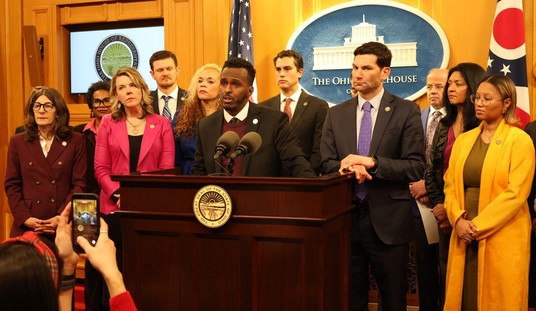
Foreign-Born Ohio Lawmaker Pushes 'Sensitive Locations' Bill to Limit ICE Enforcement
TrumpRx Triggers TDS in Elizabeth Warren
Texas Democrat Goes Viral After Pitting Whites Against Minorities
U.S. Secret Service Seized 3 Card Skimmers in Alabama, Stopping $3.1M in Fraud
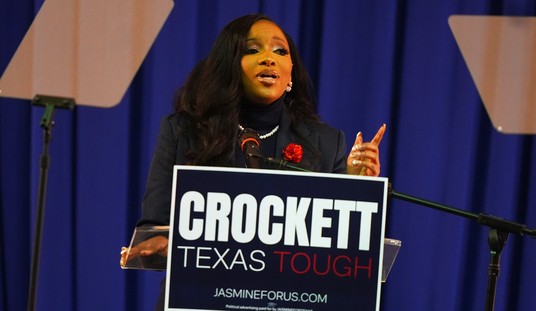
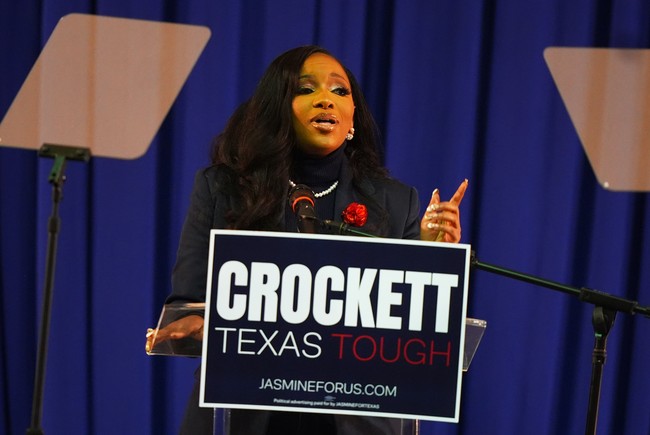
Jasmine Crockett Finally Added Some Policy to Her Website and it Was a...
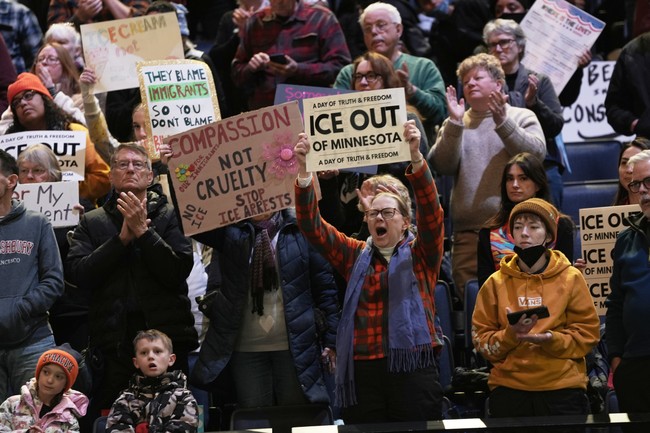
No Sanctuary in the Sanctuary
Chromosomes Matter — and Women’s Sports Prove It
The Economy Will Decide Congress — If Republicans Actually Talk About It
The Real United States of America
Tipsheet

It Takes Two When it Used to Take One ...

Earlier, I noted that Michigan Republicans may hesitate to vote for John McCain because being the second state to "ratify" a candidate is a more serious proposition than being the first (
Advertisement
the fact that independents can vote in the MI Primary may render this moot).

My guess is that voters don't consciously think this through, but rather, they intuitively understand the significance of their decision.  This NY Times article (about why Iowa didn't give Obama more momentum) seems to corroborate my suspicion that it takes two wins to create the bandwagon effect:

Contrary to some pre-election analyses, there was no reason to expect that Obama’s Iowa victory would have much effect on New Hampshire voters, according to scientists who study so-called preference cascades. In studies of cascades, people do tend to follow others’ lead against their own preferences — but not until at least two others have made a choice, said Duncan J. Watts, a sociologist at Columbia and senior scientist a Yahoo Research. Mr. Obama needed to take New Hampshire to get the snowball rolling.

Join the conversation as a VIP Member

Recommended

Trending on Townhall Videos

Advertisement
Advertisement
Advertisement