





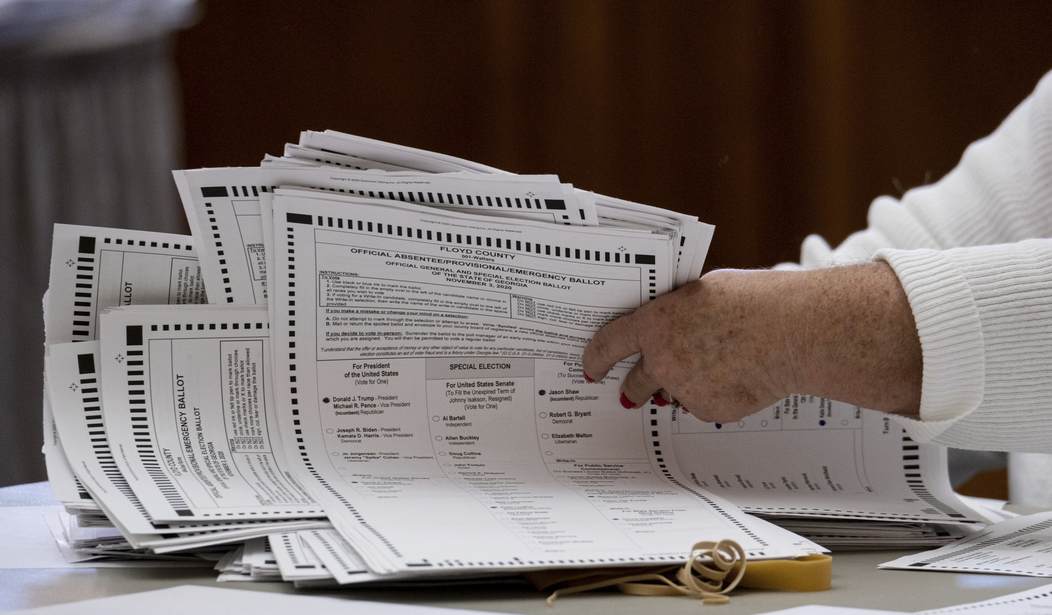
The Associated Press reported Thursday that more than 27,000 mail-in ballots for the Texas primary election on Tuesday, March 1, were flagged for rejection.
According to the AP’s report, this puts the rate of rejected ballots in the state on track to surpass previous elections. The figures, which are preliminary, were reported by Texas counties after ballots were counted after the election. The AP's report stated that rejected ballots are “uncommon” in most elections. The current number of rejected ballots does not represent the amount of ballots that were “effectively thrown out.”
“Rejected mail ballots are relatively uncommon in a typical election. But the initial rejection rate among mail voters in the Texas primary was roughly 17% across 120 counties, according to county-by-county figures obtained by AP. Those counties accounted for the vast majority of the nearly 3 million voters in Texas’ first-in-the-nation primary.
Although the final number of discounted ballots will be lower, the early numbers suggest Texas’ rejection rate will far exceed the 2020 general election, when federal data showed that less than 1% of mail ballots statewide were rejected.”
As Matt covered, Texas Gov. Greg Abbott (R) rolled out statewide voting requirements recently that require mail-in voters to provide either a driver’s license number or a partial social security number with their ballot. The number the voter provides must match with what is on file in their voter registration record. If the records do not match, the vote does not count. However, county election officials worked to contact voters in time to provide the correct information to have their vote counted.
“If a ballot is rejected, voters could add an ID number via an online ballot tracking system, go to the county’s election offices and fix the problem in person, or vote with a provisional ballot on election day,” the AP explained.
Matt covered this week how critics of the Texas’ election integrity provision describe it as “racist” and “voter suppression” to require ID to vote. He also noted in his report how an election commissioner in Harris County, Texas, resigned after not counting 10,000 ballots in the primary election.



Join the Conversation
VIP members get the ability to comment on articles.