
The COVID-19 pandemic, which unleashed nearly $5 trillion in government aid, was a boon to fraudsters, both small and large.
But in a Thursday hearing before the Oversight Subcommittee of the House Ways and Means Committee, one issue was discussed that hasn't gotten as much attention as the stateside schemes many are already familiar with.
"American officials have blamed Chinese hackers for the breaches of OPM, of Anthem Health, and Equifax, it's clear that COVID fraud is not just a domestic issue, this is a matter of national security," said Rep. Brian Fitzpatrick (R-PA).
Addressing his question to witness Mary Miller, Founder and CEO of Audient Group, the lawmaker wanted to know what the "national security implications [are] in your view of foreign state-affiliated hackers stealing taxpayer funds intended to be for COVID relief benefit programs."
"Data on this is still being evaluated, but there are some estimates that half of the pandemic unemployment assistance fraud went to adversarial nations," she replied, "and that's pretty problematic when you consider that people, when they think about fraud, they think 'oh it's just a little rounding error'…this was fraud that's funding our adversaries."
Fighting pandemic fraud is not just about protecting taxpayers.
— Ways and Means Committee (@WaysandMeansGOP) October 19, 2023
It's about national security.
Over 50% of the pandemic aid stolen by international crime rings went to adversarial nations.
Stopping fraud in the future will strengthen America around the world.@RepBrianFitz pic.twitter.com/rQ8c9PfkxA
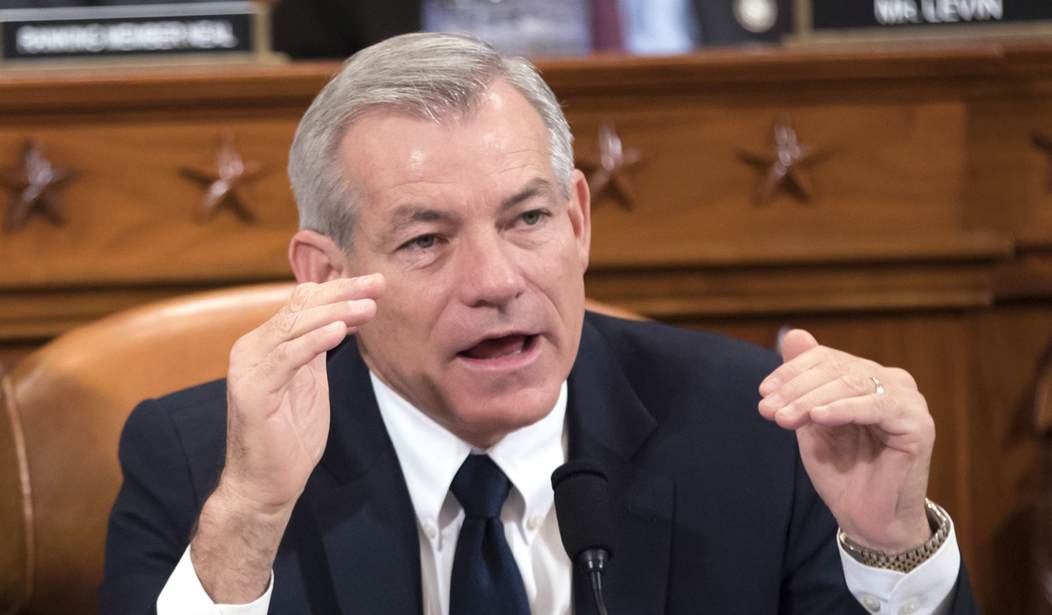
Rep. David Schweikert (R-AZ) also questioned whether there is any data on how many bad actors pandemic fraud may have helped finance.
"We've had some things come to our office saying some of these organized international criminal cartels were washing the money for violence. Any place I can go to chase that down?" he wondered.
While witness Rebecca Shea, the GAO's director of Audits, Forensic Audits, and Investigative Services, said there were "no specific numbers," she acknowledged looking at some information obtained through Department of Justice press releases on cases "and so we have some information about foreign actors exploiting the various pandemic programs…"
The scale of pandemic fraud is still being studied, but conservative government estimates put the figure at $191 billion.
Amy Simon, who served in the Department of Labor's Employment and Training Administration (ETA) during the pandemic, said that figure is expected to rise, however, and could reach $240 billion.