







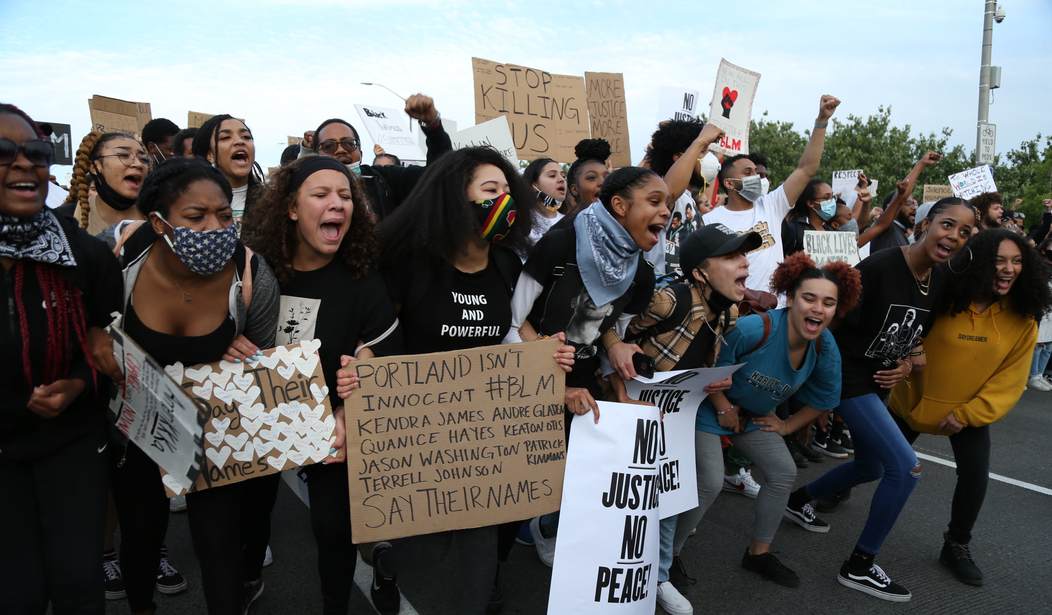
The killing of George Floyd in police custody at the end of May sparked global protests and nationwide rioting that carried on into the fall. Now, the city of Minneapolis is worried about another event that could trigger even more unrest: ex-Minneapolis Police Officer Derek Chauvin’s trial.
The city council approved a de-escalation plan on Friday that passed unanimously, which pours $1 million into a communications effort that includes teaming up with community leaders, social media influencers, and local media outlets during the March trial. Additionally, it will extend to the August trial of the three other former police officers who were charged in Floyd’s death.
The six social media influencers will be paid $2,000 each to share “city-generated and approved messages” with African-American, Native American, East African, Hmong and Latino communities, according to officials, in an effort to combat misinformation.
It is part of what the city calls a Joint Information System intended to create multiple channels on the ground and online to share “timely and relevant information” with the public throughout the trials. The program will involve partnerships with community groups and Black-led media as well as ethnic radio stations, officials said.
“The goal is to increase access to information to communities that do not typically follow mainstream news sources or city communications channels,” or who do not get their news in English, Sarah McKenzie, a city spokeswoman, said in an email. “It’s also an opportunity to create more two-way communication between the city and communities.” (NYT)
Whether community members believe the city-approved messages is another story.
“I don’t think this is about dismantling falsities,” Michelle Gross, the president of Communities United Against Police Brutality, told the Times. “I think this is about crafting a narrative and controlling it. And I think people will see through this, frankly.”
Families Supporting Families Against Police Violence’s Toshira Garraway told the paper “it’s just really hard believing they will be truthful, given how they have treated our families in the past.”
Chauvin faces second-degree murder and second-degree manslaughter charges. Jury selection is set to begin March 8.

Join the Conversation
VIP members get the ability to comment on articles.