







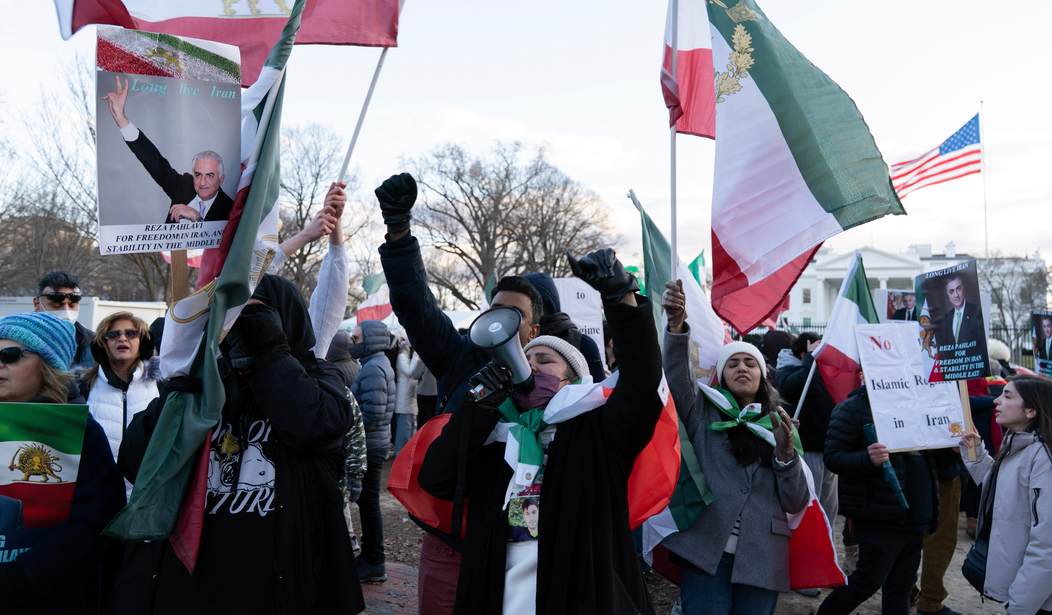
The U.S.-Israel-led strikes on Iran started overnight and are probably going to continue for some time. Both Canada and Australia have issued statements in support of the strikes, but there have been objections from others.
Germany, France, and the U.K. are calling for a restoration of negotiations following the strikes, with French President Macron saying the operation "carries grave consequences for international peace and security."
47 more years of talk?
— Bo Snerdley (@BoSnerdley) February 28, 2026
UK, France, Germany urge return to negotiations after US strikes Iran https://t.co/IhMLRQZ2My
Here's more:
Following joint U.S.-Israeli strikes on Iran early Saturday, the leaders of Germany, France and the United Kingdom pressed the Trump administration to return to the negotiating table with Tehran.
“France, Germany and the United Kingdom have consistently urged the Iranian regime to end Iran’s nuclear program, curb its ballistic missile program, refrain from its destabilizing activity in the region and our homelands, and to cease the appalling violence and repression against its own people,” the leaders wrote in a statement.
...
The leaders of Germany, France and the U.K. also spoke out against the Iranian regime’s retaliatory strikes on neighboring countries and U.S. bases in the Persian Gulf.
“We condemn Iranian attacks on countries in the region in the strongest terms,” the leaders wrote. “Iran must refrain from indiscriminate military strikes. We call for a resumption of negotiations and urge the Iranian leadership to seek a negotiated solution. Ultimately, the Iranian people must be allowed to determine their future.”
Spain has also reportedly condemned the attacks, with Prime Minister Pedro Sanchez saying the strikes "contribute to a more uncertain and hostile international order."
BREAKING: Spain condemns the US and Israel's action against Iran.
— Resist the Mainstream (@ResisttheMS) February 28, 2026
PM Pedro Sánchez: "We reject the unilateral military action by the United States and Israel, which represents an escalation and contributes to a more uncertain and hostile international order."
"We likewise… pic.twitter.com/fxmceMnny4
Sanchez condemned Iran, too, saying, "We likewise reject the actions of the Iranian regime and the Revolutionary Guard. We cannot afford another prolonged and devastating war in the Middle East. We demand immediate de-escalation and full respect for international law."
Iran cannot get nuclear weapons. While last June's strikes dealt a significant blow to most of it, reports were that Iran was digging through the wreckage of Fordow to find materials to restart its nuclear program. President Trump has made it clear he will not allow Iran to get nuclear weapons, and after negotiations failed, he took the next logical step: a show of force.


Join the Conversation
VIP members get the ability to comment on articles.