
House Committee on Oversight and Government Reform Chairman James Comer (KY-1) announced a new investigation into the Biden administration’s handling of the fentanyl crisis.
Former President Joe Biden faced an onslaught of criticism over his failure to address the flow of deadly fentanyl into the United States. Now, Comer and his team will be looking at the ways the previous administration mishandled the issue, according to a press release.
House Committee on Oversight and Government Reform Chairman James Comer (R-Ky.) today announced an investigation into actions taken by the Biden Administration’s Drug Enforcement Administration (DEA) that allowed fentanyl to hit U.S. streets in New Mexico while the agency watched and took no action. The Biden Administration reversed Trump Administration protocols designed to protect public safety, which resulted in more fentanyl related deaths in New Mexico. In a letter to U.S. Attorney General Todd Blanche, Chairman Comer seeks documents and communications related to this fentanyl scandal perpetrated by the Biden Administration.
“The Committee on Oversight and Government Reform is investigating the Biden Administration’s relaxation of fentanyl risk mitigation protocols that allegedly disallowed interdictions by law enforcement and permitted deadly street drugs to flow into U.S. communities. The first Trump Administration developed risk mitigation protocols that addressed fentanyl’s unique public safety threat by requiring agents to make reasonable efforts to prevent the distribution of this lethal drug. The Biden Administration disregarded these protocols and instead allowed shipments to remain in the custody and control of criminals. The Committee requests documents and information to better understand the actions of the Biden Administration that expanded the public safety threat from fentanyl,” wrote Chairman Comer.
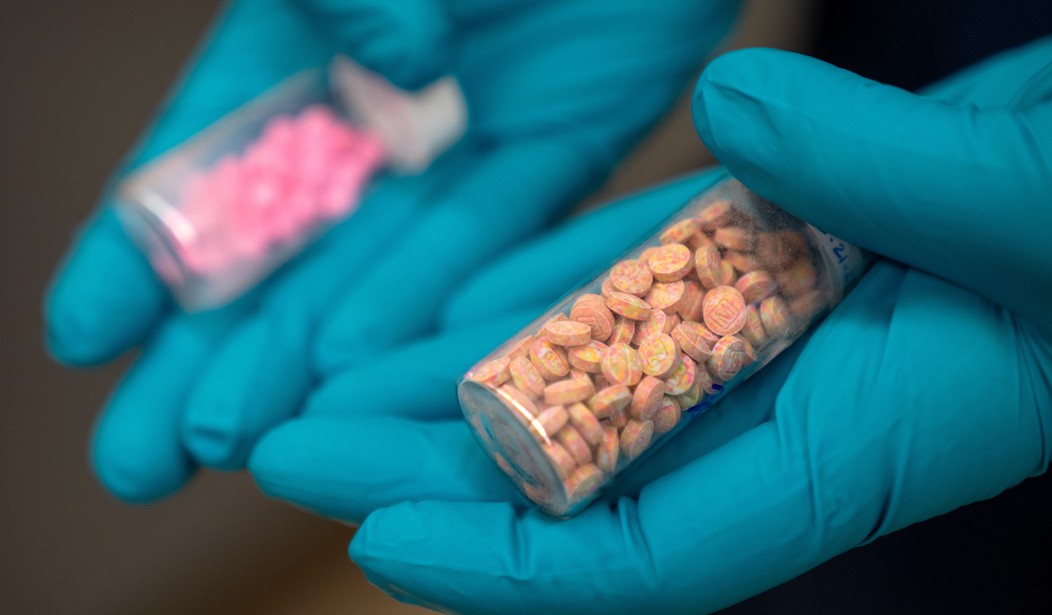
In November 2019, the Trump Administration’s Department of Justice (DOJ) issued Risk Mitigation protocols that prioritized addressing the lethality of fentanyl to ensure it did not have an opportunity to harm the public. In early 2023, the Biden Administration’s DEA disregarded these previously established protocols in New Mexico. The DEA instead allowed shipments of up to 100,000 pills to remain in the hands of criminals resulting in “walking fentanyl,” where the pills were not intercepted and allowed to continue to move through criminal networks. DEA agents monitored shipments of pills but did not seize them, allowing hundreds of thousands of pills to hit the streets of New Mexico between 2023 and 2025. As a result, New Mexico was heavily effected by fentanyl with a nearly 21 percent increase in fentanyl poisoning deaths compared to a 14 percent decrease in the United States overall.
The investigation will center on the Biden administration’s policing practices in which agents monitored, but didn’t interdict major fentanyl shipments. It refrained from taking action because it hoped to dismantle larger networks.
The Biden administration watered down risk mitigation protocols established during President Donald Trump’s first term. Overdose deaths due to fentanyl and other narcotics spiked during the COVID-19 pandemic. Since then, they have been on a downward trend.
During an appearance on Newsmax, Comer said the Biden administration "knew about the fentanyl that was going across the border, and in many instances had an opportunity to do something about it, but for whatever reason chose not to."
“They knew about the fentanyl that was going across the border, and in many instances had an opportunity to do something about it, but for whatever reason chose not to.”
— NEWSMAX (@NEWSMAX) September 2, 2026
— House Oversight Committee Chairman James Comer on the committee’s probe of Biden-era fentanyl enforcement… pic.twitter.com/CLt6Vhjjdb
PBS NewsHour reported that overdose deaths fell by 14 percent nationally last year. But, as Comer pointed out, this hasn’t been the case in each state. New Mexico saw a 21 percent increase in fentanyl-related fatalities.
In a letter to Attorney General Todd Blanche, Comer argued, “While DEA agents may not have the resources to intercept every single known shipment, a policy directing them not to intercept significant shipments is unconscionable and undoubtedly resulted in considerable harm and lives lost.”