





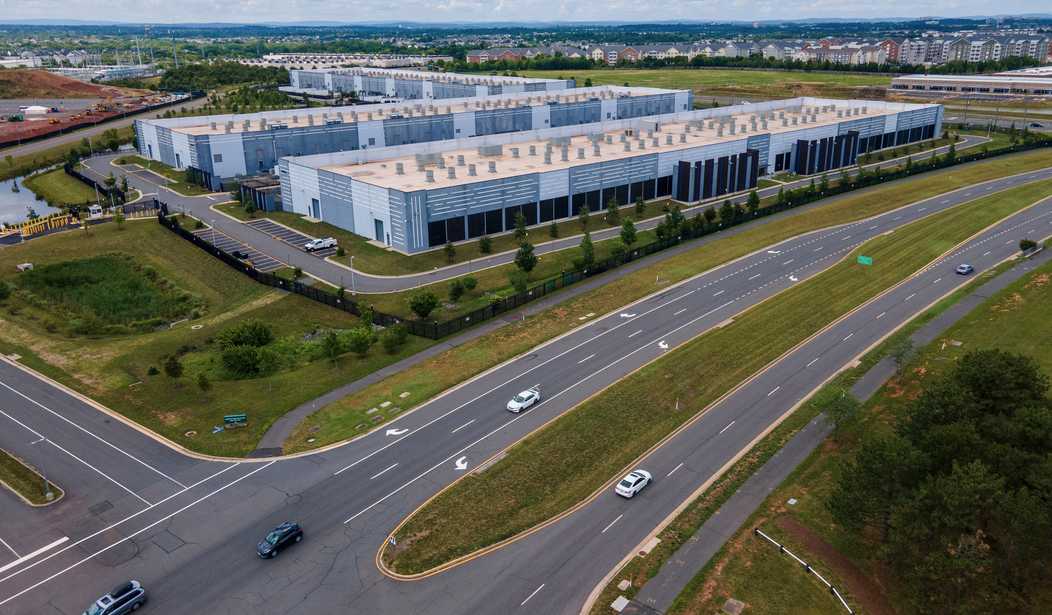
As Americans debate whether the construction of new AI data centers will deliver meaningful economic benefits, it is important to recognize the range of opportunities private companies can create for the communities that host them.
Project Hazelnut, a proposed hyperscale data center in Hazle Township, Pennsylvania, is offering an unusually direct example of that potential. As part of its effort to win local support, the project’s developers plan to provide a one-time, no-strings-attached $10,000 cash grant to about 4,000 eligible households, which accounts for about 40 percent of the total population.
A Pennsylvania data center is offering $10,000 checks to residents as part of its benefits package for the community pic.twitter.com/mECfoYvk3X
— Innovation Council (@innovationcncl) September 1, 2026
The proposal also includes a $105 million commitment to Hazle Township, structured as roughly $7 million annually over 15 years. The funding could support projects like establishing a local police department, reducing trash and garbage-collection fees, and strengthening other municipal services. In addition, Project Hazelnut has proposed $15 million for local community organizations, including groups like the YMCA, as well as workforce-development initiatives. Together, the commitments offer a concrete illustration of how private investment in AI infrastructure can extend beyond construction jobs and tax revenue, putting resources directly into the hands of residents and local institutions.
Critics have predictably labeled the proposal an outright bribe. Though few have managed to explain what is actually wrong with a private company offering residents a $10,000 grant. This is what market incentives look like: Project Hazelnut is offering to share its expected value with Hazle Township in exchange for the chance to build there. If the project is approved, it will mean residents and local officials concluded that the investment, including household grants, township funding, and community support, outweighed their concerns.
Pretending this is some unprecedented scandal ignores basic American history. During the Industrial Revolution, successful companies often built up the towns around them, investing in housing, services, and local institutions because thriving communities helped businesses thrive.
It is also exactly the kind of thing conservatives have long demanded: that companies build up American towns rather than just extracting profit and leaving locals drained and poorer. So calling Project Hazelnut a “bribe” is a little rich. Critics cannot insist that corporations invest in communities, then feign outrage when one actually offers to do it.
Project Hazelnut offers a straightforward lesson in how free markets work. A private company pursues a profitable project while giving the community a concrete stake in its success. Rather than solely demanding taxpayer subsidies and forcing residents to absorb the costs, developers are putting real money on the table for households, local services, and workforce programs.
This is what fear-driven regulation and blanket moratoria risk destroying: not merely private investment that gives communities a real stake in growth, but faith in free markets themselves. Critics say they want companies to give back, but when a company actually does, the answer cannot be to make sure we impede that possibility.
Project Hazelnut shows what is lost when a misguided political agenda takes priority over local prosperity.
Editor's Note: Do you enjoy Townhall's conservative reporting that takes on the radical Left and woke media? Support our work so that we can continue to bring you the truth.
Join Townhall VIP and use promo code FIGHT to receive 60% off your membership.



Join the Conversation
VIP members get the ability to comment on articles.