







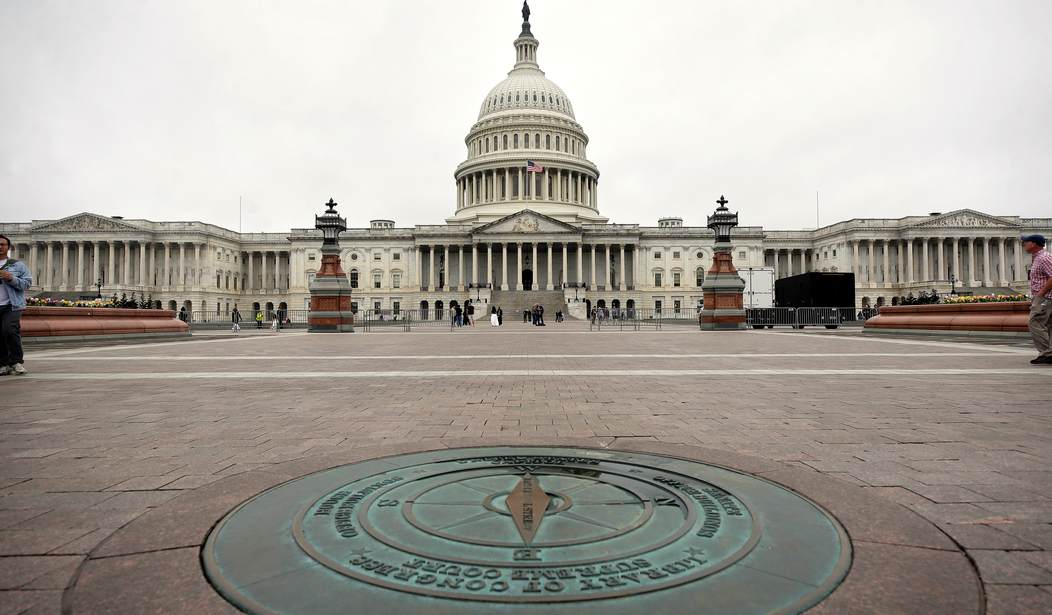
When we send politicians to Washington, we expect them to be public servants—citizens like us who give their time to keep our nation running. But over the years, a divide has grown between the average American voter and the people who represent us in Congress.
Now, recent polling shows that overwhelming majorities want to clean up government. 93 percent believe that politicians should live under the same rules as we do; 92 percent believe special interests and lobbyists have too much influence; 90 percent want to audit the government and address fraud; 88 percent believe that officials should not use public office to enrich themselves; and 86 percent believe members of Congress should not trade stocks while in office.
89% of Americans say corruption in government is widespread and 76% say members of Congress shouldn’t trade individual stocks. I agree with them on both.
— Congressman Rudy Yakym (@RepRudyYakym) October 17, 2026
Democrats don’t. 198 House Democrats and every single Senate Democrat voted AGAINST the stock trading ban.
Corrupt. pic.twitter.com/SnjARLJm1z
Congressional stock trading is a big focus of the midterm elections. It's prolific, with members of Congress like Nancy Pelosi and Elaine Luria. While in Congress, Luria traded hundreds of thousands of dollars' worth of stocks. During her time in office, she was the largest trader of Chinese stocks, and she called a ban on Congressional stock trading "bulls**t." When she was elected in 2018, Luria had a net worth of $1.13 million; by the time she lost her election in 2022, she was worth more than $22 million.
And, of course, Nancy Pelosi is synonymous with Congressional stock trading. According to America First Policy Institute (AFPI), Paul Pelosi purchased Tesla call options worth just over $1 million before Joe Biden, then president-elect, announced an EV infrastructure plan that would benefit Tesla shareholders. Pelosi saw an 80 percent gain in a year, while Democrats averaged a 31.18 percent gain. Pelosi's net worth is now estimated at more than $240 million.
AFPI also backed the claim that 86 percent of the public supports banning congressional stock trading.
Legislation, the aptly named Preventing Elected Leaders from Owning Securities and Investments (PELOSI) Act has been introduced to curtail the practice. In July, the House voted on the Stop Insider Training Act; 198 House Democrats voted against it.
House Republicans voted to ban members of Congress & their families from insider trading.
— NRCC (@NRCC) July 23, 2026
198 Democrats voted to keep politicians & their families trading stocks.
Truly, Democrats are the party of corruption & FRAUD.https://t.co/ryK5axXxDg
At the end of September, Sen. Chris Van Hollen said banning Congressional stock trading would "disenfranchise American voters." But this isn't an exclusively partisan issue. In 2019, former Republican Rep. Chris Collins resigned after allegedly engaging in an insider-trading scheme.
Voters want to hold both parties to the same standards. This accountability ties back to affordability, because from gas prices to housing costs to healthcare, the bottom line is this: Washington cannot credibly ask Americans to trust the government while letting government officials operate under financial rules ordinary Americans would never tolerate.
Editor’s Note: The 2026 Midterms will determine the fate of President Trump’s America First agenda. Republicans must maintain control of both chambers of Congress.
Help Townhall continue to report on the Democrats’ radicalism and inform voters as our nation faces a crossroads. Join Townhall VIP and use promo code FIGHT to receive 60% off your membership.



Join the Conversation
VIP members get the ability to comment on articles.