







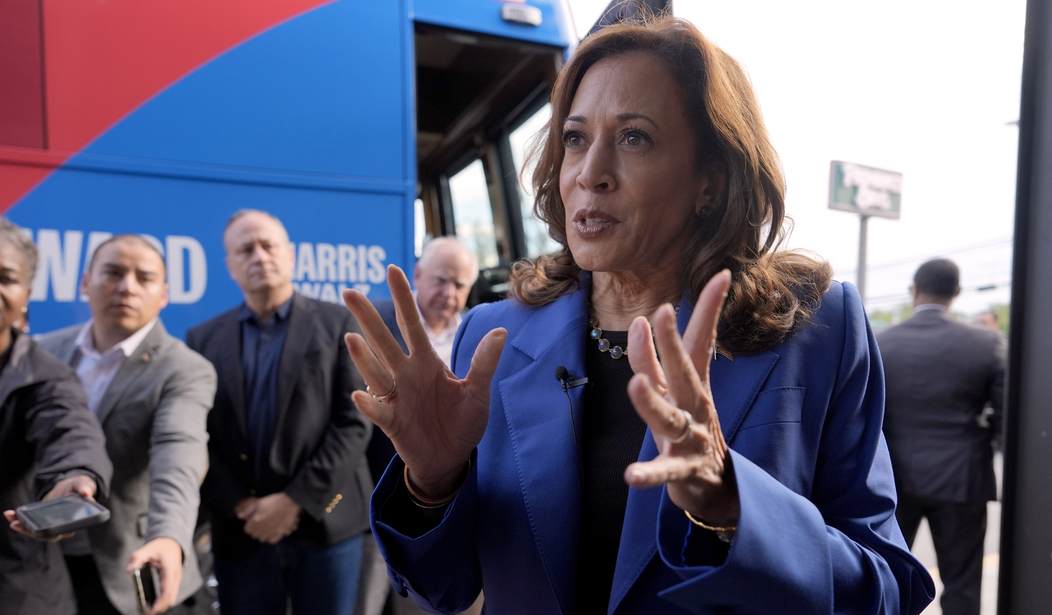
Kamala Harris in her nomination acceptance at the Democratic National Convention assured the roaring crowd that she would “never stop fighting” for the American people and that
she would “blaze a new way forward." The speech disclosed no details, but she appeared to have in mind merely adding to the benefits that the welfare state bestows on grateful voters.
Subsidies for home mortgages, forgiveness of student loans and free universal preschool have been dangled as possibilities. However, Harris and the other purveyors of free stuff have a big problem. They are running out of other peoples’ money to give away.
It’s not just America but the world’s advanced economies who are seeing the bill come due for decades of social spending exceeding revenue. American leftists like to chide fiscal conservatives for fretting about high tax rates, but economists now note that some high-tax European states are approaching the peak of the Laffer curve, the point at which raising tax rates fails to raise additional revenues. That means hitting the wall.
Western politicians over the last century developed a different style of campaigning for office. Rather than emphasizing the common good and overall strength of the nation, they competed on the basis of what government services they could provide to individuals and groups.
The responses to the Great Depression and the Covid crisis were especially harmful. The New Deal failed to end the depression. We have WWII to thank for that. But the traumatic experience convinced many Americans to think of the government as their benevolent caretaker.
The economic deprivations caused by the Covid crisis were due to mostly self-inflicted wounds like the economic and educational shutdowns. Worse, long after the crisis had passed, the checks kept coming to Americans who were not impoverished. The “emergency” expenditures morphed into entitlements.
America has developed a culture of spending which caused the national debt in 2023 to exceed 120% of GDP while 100% has long been considered the outer limit of acceptable indebtedness. We also have hundreds of trillions more in future obligations to beneficiaries with no funding source available.
Time and demographics are not on our side. In just the next 12 years, aging baby boomers will reduce the ratio of workers (25 to 64) to retirees (65 and older) from 3:1 to 2:1. The fastest growing demographic group is those 85 and older, who require extra funding. Moreover, increased security risks like war and terrorism will create additional budgetary stresses.
There are fewer alternatives to reduced spending than ever available Tax increases are politically unpopular and often don’t produce the hoped for outcomes because they reduce productivity. European countries have about 50% higher tax revenues than America, yet their real GDP per capita is lower, even factoring in the government services and subsidies they receive.
The era of low interest rates and the accompanying “sugar high” is over. The higher cost of debt financing will inevitably impair the ability of succeeding generations, already tapped out, to shoulder the burden of our selfish spending.
By now, we’ve breezed past all the easy fixes. We are facing severe warning signals and all the red lights are blinking. Yet in spite of the urgent need to change our ways, both political parties studiously look the other way. Getting elected is still the imperative that trumps all others.
The general accounting office (GAO) recently made recommendations for minor adjustments to federal government procedures that would save $208 billion over the next decade. The major one was equalizing payment rates for offices determining Medicare benefits. The proposals are non-controversial and politicians supporting them could take cover by pointing out that they are endorsed by a non-partisan agency. The response has been…crickets.
Scores of scholarly papers have been written on how to reduce government waste, how to expedite permitting and how to recover Covid over-payments, All to no avail. The politicians just aren’t that interested and, sadly, neither is the public.
We’re hearing a lot about democracy lately. Both parties claim the other one is an existential threat. Advice to would-be political leaders who are courageous enough to go beyond pontificating and do something that might actually preserve our democracy is simply this: cut the spending.
Join the Conversation
VIP members get the ability to comment on articles.